
Gabon pushes for debt-driven development with visible results
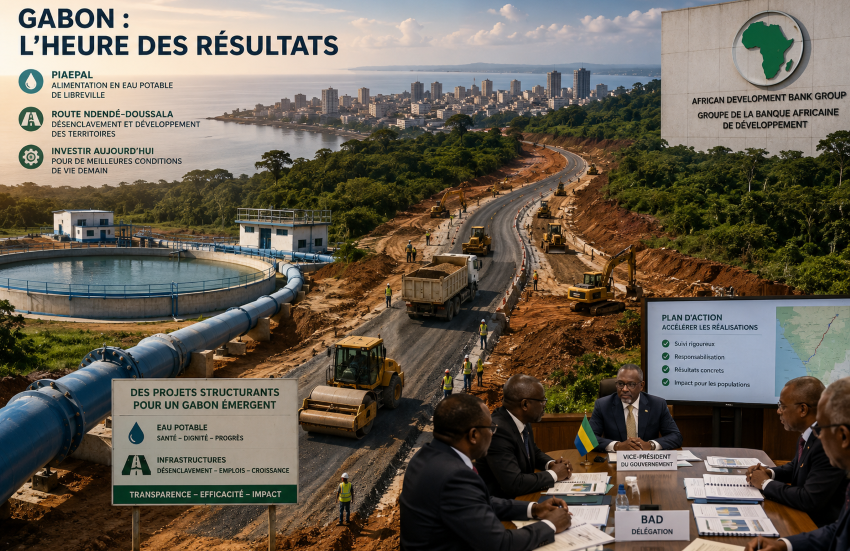
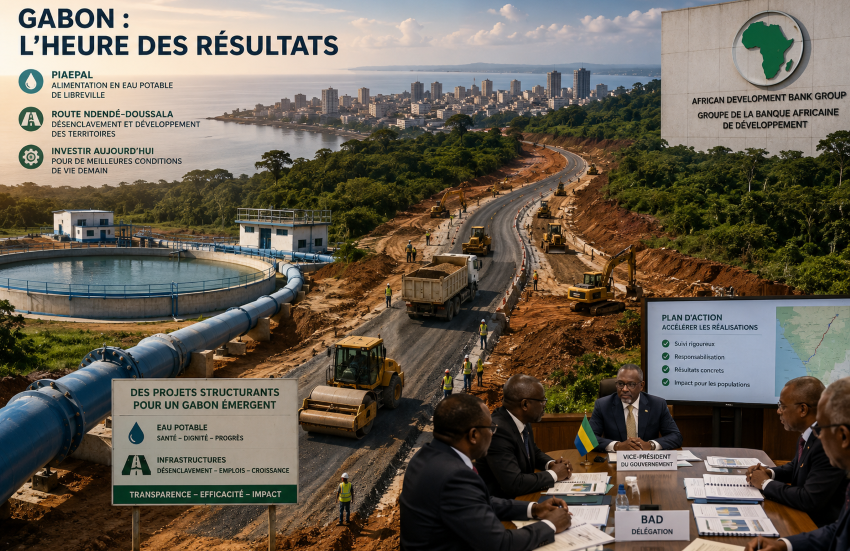
Libreville — On June 29, 2026, Gabon took a firm stance against prolonged delays in critical infrastructure projects funded by the African Development Bank (AfDB). The high-level meeting in Libreville between Vice President of the Government Hermann Immongault and AfDB Country Director Mamour Ousmane Ba underscored a new era of accountability, where every franc invested must yield tangible benefits for citizens.
The discussions centered on two flagship initiatives: the Integrated Program for Drinking Water Supply and Sanitation in Libreville (PIAEPAL) and the Ndendé-Doussala road project. PIAEPAL aims to address chronic water access issues in the capital, while the Ndendé-Doussala route is designed to enhance regional integration and trade with neighboring countries. Despite their priority status, both projects have faced repeated setbacks, fueling public frustration.
From financing to results: a shift in government priorities
For years, Gabon has secured substantial international funding to modernize its infrastructure. Yet, many projects lag behind schedule, eroding public trust. The AfDB meeting marked a turning point, with authorities emphasizing performance over promises. The new approach prioritizes measurable outcomes over budget allocations, reflecting a broader trend where citizens demand visible improvements over bureaucratic assurances.
This shift is particularly critical as financial constraints tighten. The government’s message is clear: securing funds is no longer enough; demonstrating their effective use is now the measure of success. Libreville’s water crisis and the stalled Ndendé-Doussala road project exemplify this challenge. Years of delays have turned these initiatives into symbols of unmet expectations, with citizens now judging progress by tangible results rather than funding announcements.
Uncovering the roots of delays
A key revelation from the meeting was the acknowledgment of systemic inefficiencies within Gabon’s administrative machinery. Immongault highlighted the need to streamline roles and identify bottlenecks, moving beyond the tendency to blame external actors or contractors. This self-critical stance acknowledges that delays often stem from a web of interconnected issues: cumbersome procedures, poor inter-institutional coordination, decision-making lags, and technical constraints. Such systemic flaws are not unique to Gabon but are a common challenge across African public project governance.
A test of reform credibility
From the AfDB’s perspective, the tone has shifted from unconditional support to conditional partnership. Mamour Ousmane Ba reiterated the Bank’s readiness to align with Gabon’s priorities while stressing that execution capacity lies with national authorities. This dynamic reflects a broader reality: international financing alone cannot guarantee success; effective implementation is the true differentiator. The success of PIAEPAL and the Ndendé-Doussala road will serve as litmus tests for Gabon’s newfound resolve. These projects are not just infrastructure—they are benchmarks for the government’s pledge to turn debt into development. In an era where international funding is fiercely competitive, countries that deliver tangible results will stand out. Gabon’s gamble is bold: it is betting that demanding accountability will accelerate progress rather than stall it. Whether this strategy will break the cycle of delays remains to be seen, but one thing is certain—the era of empty promises in public finance is over.

Related Posts


