
Gabon faces swiss account probe amid political transition
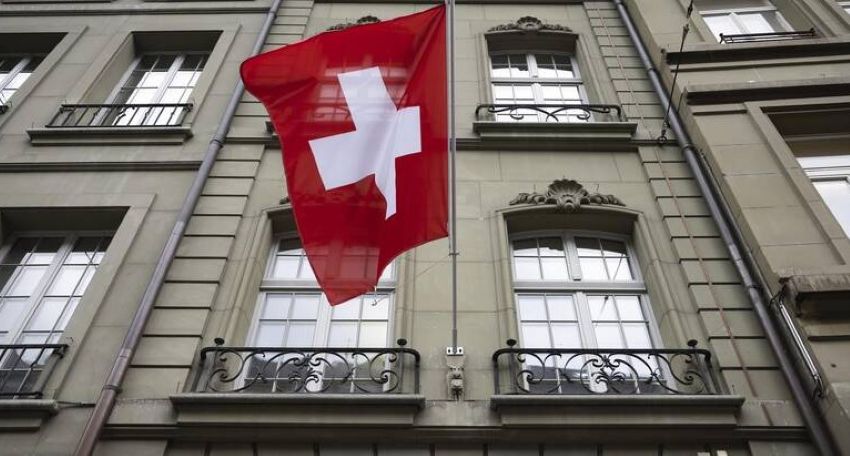
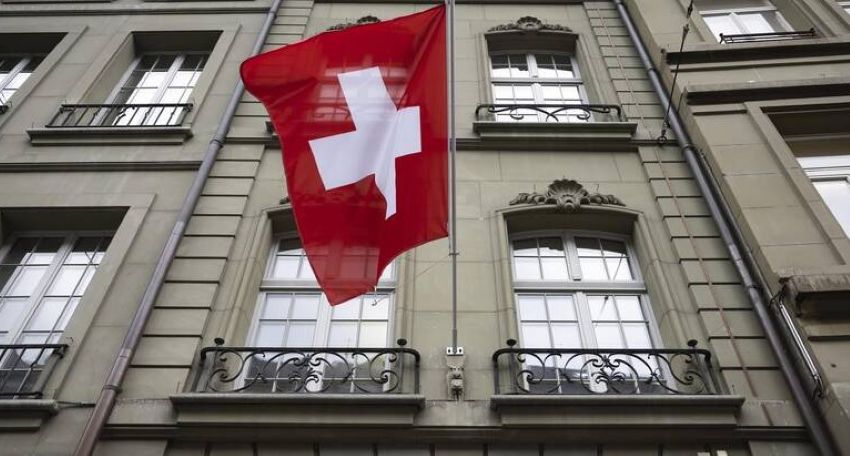
Libreville, July 3, 2026 — A shadowy legal battle is unfolding in Geneva, London and Libreville, reshaping the aftermath of Gabon’s 2023 political shift. The focus? A Swiss investigation into several million euros allegedly deposited in a Geneva bank by Sylvia Bongo, the former First Lady of Gabon. While Gabon’s transitional authorities pursue domestic corruption cases, this international probe adds a new dimension to the scrutiny of political elites’ wealth.
For over two years, Swiss prosecutors have quietly examined the origins of these funds, aligning their investigation with global anti-money laundering frameworks. The probe’s timing—coinciding with Gabon’s post-coup transition—has intensified debates about financial transparency among Africa’s ruling classes.
Geneva’s legal chessboard: procedure over politics
The Swiss judicial system operates independently of Gabon’s political upheavals. Geneva’s courts are not assessing the legitimacy of the 2023 regime change or the convictions handed down in Libreville. Their sole mandate: determining whether the funds in question were acquired legally. Sylvia Bongo’s legal team has contested the accusations, emphasizing that the recent Geneva court ruling pertains only to procedural matters—not the merits of the case. They argue the Gabonese trial itself lacked fairness, framing the Swiss investigation as politically motivated retaliation.
Defending wealth: London’s counter-narrative
From her current residence in London, Sylvia Bongo has framed the dispute as an attack on her integrity. She asserts her assets originated from private sources, not Gabon’s public treasury. Her representatives claim all transactions were vetted by compliant banks, adhering to international financial regulations. Bongo contends the Swiss probe was triggered by post-coup allegations in Gabon, not by evidence of illicit activity.
Yet this defense underscores a broader dilemma: even if funds were legally acquired, their accumulation raises public questions. How do political figures—especially in resource-rich nations—amass vast offshore wealth? The opacity of such transactions has fueled demands for greater accountability across African democracies.
Gabon’s transitional government under scrutiny
For Gabon’s post-2023 leadership, combating corruption is a cornerstone of their legitimacy. International revelations of suspicious financial flows could bolster their anti-graft campaigns, though cooperation with Swiss authorities remains a hurdle. Decades-old transactions complicate asset recovery efforts, and no restitution to Gabon’s treasury has been announced yet.
This case transcends Sylvia Bongo’s personal saga. It spotlights a systemic issue: the need for transparent tracking of political fortunes. As democratic expectations rise, the era of unchecked offshore wealth is waning. For Gabon—and nations with similar challenges—the stakes are clear: financial opacity undermines trust in institutions. The Swiss investigation may deliver a verdict, but the broader debate on accountability is already reshaping Gabon’s political landscape.