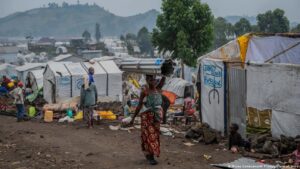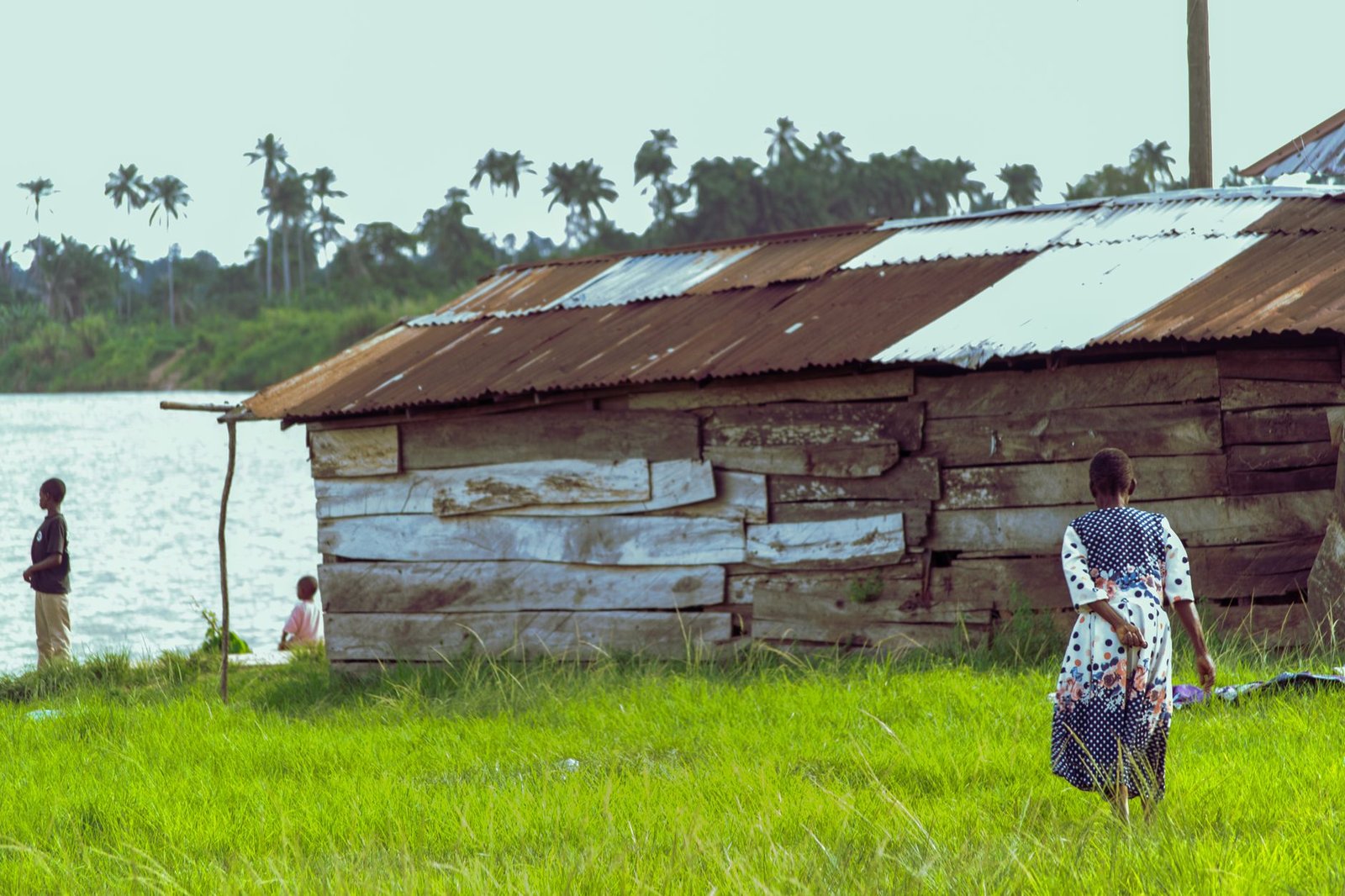

The stark contrast between the Gabon’s official development status and its poorest province is a striking one. The National Development Report 2026 reveals that over 77% of the population in Nyanga lives below the poverty line, a figure that could have been easily overlooked if not for its sheer magnitude.
A Tipping Point for Official Narratives
Nyanga, located at the southern tip of Gabon, is one of Africa’s most sparsely populated and isolated regions. Its capital, Tchibanga, serves as the hub for public services in a region where access to electricity, clean water, and healthcare remains precarious.
While the 77% poverty rate itself may not come as a surprise to those on the ground, it is the disconnect between this local reality and Gabon’s overall economic performance that raises questions about the accuracy of official narratives. The country boasts one of the highest GDP per capita in Africa, but beneath the surface lies significant regional disparities.
The National Development Report 2026 offers a critical look at these disparities, highlighting the need for targeted policy interventions to address poverty and inequality. However, the report’s treatment of Nyanga’s poverty rate raises concerns about the effectiveness of existing policies and the role of transparency in addressing these issues.
A Call for Greater Transparency
The publication of the National Development Report 2026 presents an opportunity for greater transparency and accountability. As policymakers consider the implications of this report, they must acknowledge the challenges posed by regional disparities and commit to addressing them through evidence-based policy decisions.
Without a clear plan to address these disparities, the report’s data risks being lost in the broader narrative of Gabon’s development success. By prioritizing transparency and accountability, policymakers can work towards creating a more equitable society for all regions, including Nyanga’s underserved communities.
Looking Ahead
As the Gabonese Transition authorities continue to implement their plans for institutional reform, the data from the National Development Report 2026 serves as a critical reminder of the need for targeted policy interventions. By working together to address regional disparities and promote greater transparency, we can build a more sustainable future for all Gabonese citizens.