Gabon prepares for international scrutiny of anti-corruption measures
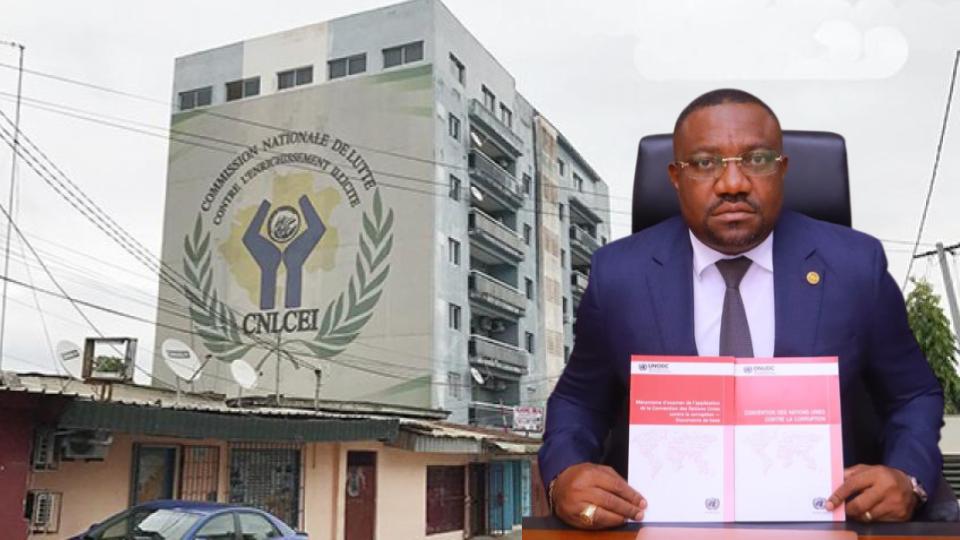
Between June 29 and July 1, 2026, Libreville will host an international assessment mission as part of the second review cycle for the United Nations Convention against Corruption (UNCAC). This high-stakes meeting will see experts from the UN, Chad, and Libya evaluate Gabon’s progress in preventing corruption and recovering illicitly acquired assets.
Following years of institutional overhauls and the strengthening of public oversight, Gabon is entering a critical phase of its anti-graft commitment. The National Commission for the Fight Against Corruption and Illicit Enrichment (CNLCEI) has confirmed the “country visit” phase for this second review cycle will take place in the capital.
The international delegation will include representatives from the United Nations Office on Drugs and Crime (UNODC), alongside experts from the Republic of Chad and the State of Libya. These nations were selected to audit Gabon’s implementation of convention articles specifically targeting preventive measures and the restitution of assets.
A strategic international evaluation
Having ratified the United Nations Convention against Corruption on October 1, 2007, Gabon is an active participant in the peer-review mechanism designed to track anti-corruption progress. While the initial cycle centered on the criminalization of offenses and international cooperation, this second round focuses on two sensitive pillars: preventing corruption and retrieving assets derived from illegal activities.
The sessions scheduled at the Hôtel Boulevard in Libreville will allow international monitors to scrutinize national systems regarding public management transparency, government procurement, asset declarations by officials, civil society engagement, anti-money laundering efforts, and the legal frameworks for seizing and returning embezzled funds.
Broad institutional participation
A wide array of national administrative bodies will be involved in this assessment. Participants will include various ministries, the Parliament, the Court of Auditors, the State General Control, ANIF, Customs, ARMP, judicial authorities, security forces, business associations, and civil society representatives.
The CNLCEI is coordinating the national process through its focal point for the UNODC, Séraphin Ondoumba, who serves as a commissioner for the institution. The Commission views this mission as a prime opportunity to highlight Gabon’s achievements while identifying the necessary adjustments to further solidify governance and transparency frameworks.
Testing the governance of the Fifth Republic
Beyond the technical aspects, this evaluation arrives at a time when good governance, public finance transparency, and the fight against illicit enrichment are top priorities for the population. The findings of this review are expected to serve as a strategic roadmap for future institutional and administrative reforms. Furthermore, it will allow Gabon to access enhanced technical support and exchange best practices with other member states.
By undergoing this process, Libreville aims to demonstrate its resolve in strengthening accountability and the rigorous management of public resources—essential factors for building trust with citizens, international partners, and the investment community.