Gabon temporarily bans sardine and ‘sans nom’ fish exports to protect local supply
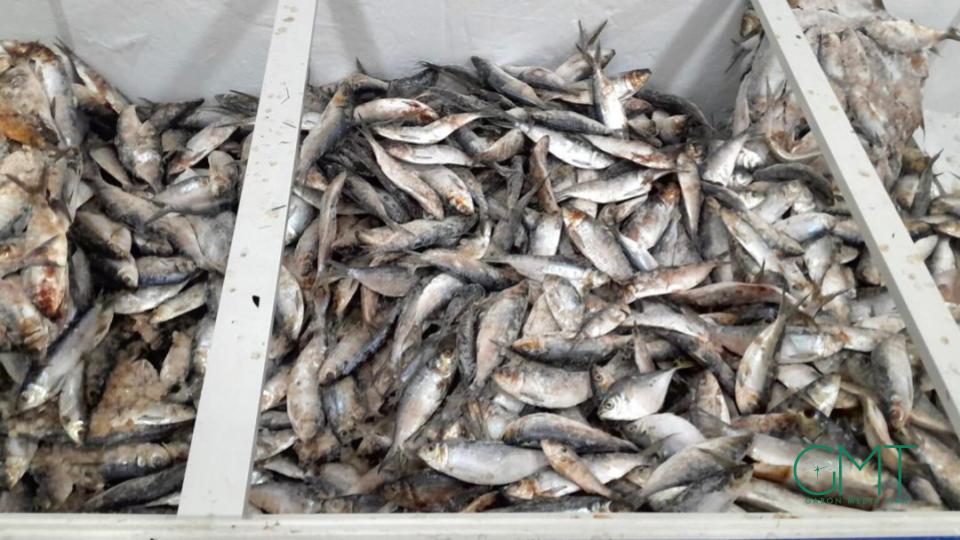
The government is taking a tougher stance to safeguard the national fish market. Since 26 March 2026, the export of sardine (Ethmalosa fimbriata) and the fish commonly called ‘sans nom’ (Heterotis niloticus) has been temporarily prohibited across the country. This measure, formalised by two ministerial orders from the Ministry of Sea, Fisheries and Blue Economy and published in the official gazette on 16 April 2026, addresses a growing shortage on local markets. While these species continue to supply neighboring countries, especially through border zones like Cocobeach, authorities now aim to prioritise domestic consumption and curb uncontrolled outflows of these resources.
On 30 May, the governor of Estuaire Province, Marie Françoise Dikoumba, visited Cocobeach to remind fishermen, traders and transporters of the compulsory nature of this ban. This awareness-raising mission comes amid rising concern among consumers over the scarcity of sardines on stalls. Authorities believe exports to neighbouring countries are destabilising national supply, driving up prices and making it harder for households to access a staple food.
Preserving stocks and strengthening food security
The two orders specify that the temporary ban aims to better organise production and distribution channels, stabilise domestic market supply and combat soaring prices. Authorities also want to improve traceability of fishery products, secure future exports and ensure compliance with health standards. This policy is part of broader efforts to tackle high living costs and consolidate food sovereignty, two stated priorities of the government.
The Ministry of Sea also cites growing pressure on sardine stocks in Gabonese waters and on ‘sans nom’ populations in river and lake basins. By temporarily suspending exports, the state hopes to allow biological capital to recover in the most heavily exploited areas, ensuring sustainable use of these species. Offenders face penalties under the Fisheries Code, ranging from cargo seizures and revocation of fishing permits to legal prosecution, unless they obtain exceptional authorisation from the competent administration.