
The **Société d’énergie et d’eau du Gabon (SEEG)**, Gabon’s former sole utility provider, has officially been dissolved. During a Cabinet meeting held on Thursday, June 25, 2026, the Gabonese executive body approved two legislative proposals that formalize the dismantling of the integrated operator. In its place, two specialized public-private entities will emerge. The first, named La Gabonaise des Eaux, will assume responsibility for the production and distribution of potable water. Concurrently, Électricité du Gabon will manage the entire electricity sector, from generation to commercialization. Both new companies will operate under a mixed-economy model, combining state ownership with private sector investment and expertise.
Ending an era: Decades of integrated utility operations conclude
Established in 1997 through a two-decade concession granted to the French group Veolia, SEEG had long functioned as the nation’s integrated utility provider, overseeing both water and electricity services. This model, prevalent in various Francophone African nations in the late 1990s, had increasingly displayed its limitations within Gabon over recent years. The company struggled with persistent power outages, dilapidated infrastructure networks, and chronic financial instability. Even after the concession reverted to public control in 2018, the deterioration in service quality continued, drawing widespread criticism from both residential consumers and key economic sectors.
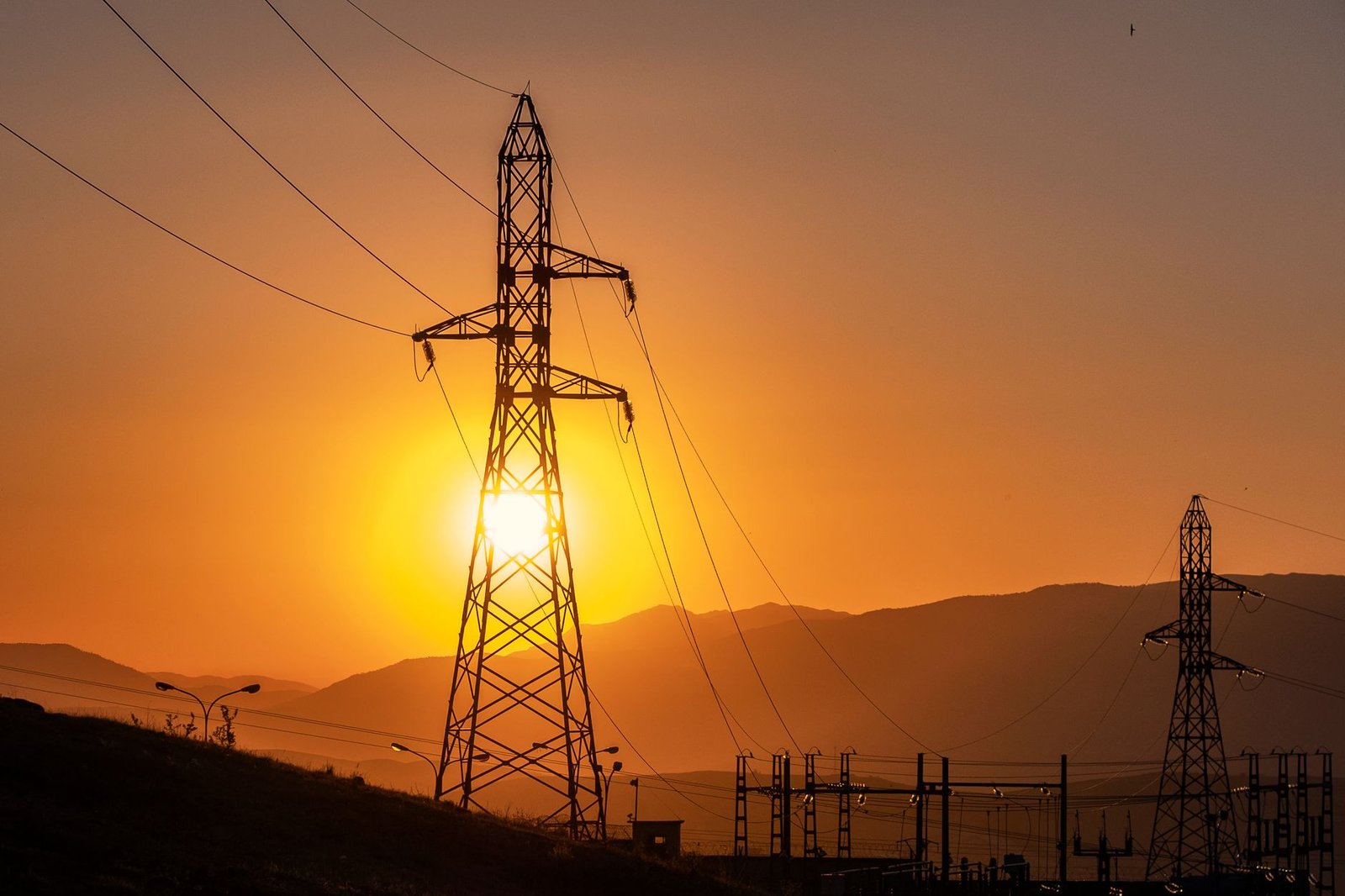
By separating these two distinct operational domains, Libreville is strategically pursuing a path of specialization. The economic and technical requirements for water and electricity services are fundamentally different. The electricity sector demands substantial investments in thermal and hydroelectric power generation, intricate decisions regarding the energy mix, and specialized expertise in high-voltage grid management. Conversely, the water sector focuses on critical issues such as resource accessibility, treatment processes, and the expansion of urban distribution networks. The previous integration of these two activities within a single entity often resulted in a dilution of investment priorities and operational focus.
Embracing the mixed-economy model for essential services
The adoption of a mixed-economy status for these new entities signifies a deliberate choice. It reflects the Transitional authorities’ commitment to maintaining public oversight over essential services while simultaneously inviting technical and financial partners who can contribute vital capital and specialized knowledge. This hybrid organizational structure has been implemented in other countries across the continent, yielding varied outcomes. For instance, in Senegal, Sen’Eau has partnered the state with Suez since 2020 for potable water distribution. Similarly, Côte d’Ivoire’s long-standing concession model with CIE and SODECI remains a regional benchmark for utility management.
Crucial details regarding the precise capital allocation for each of the two new entities, as well as the identities of any potential strategic partners, are still pending. The Gabonese government has not yet released a detailed timeline for the operational launch of these companies, nor has it clarified the future of SEEG’s existing assets or its personnel. The complex task of transferring ongoing contracts, managing accumulated debts, and honoring commitments made to international lenders will undoubtedly represent one of the most challenging aspects of this transition.
A significant political test for the Transitional government
Beyond its technical implications, this reform carries profound political significance. The authorities of the Committee for the Transition and Restoration of Institutions (CTRI) have positioned the improvement of public services as a cornerstone of their administration. The provision of reliable water and electricity consistently ranks among the most pressing concerns for the Gabonese population, particularly within the peri-urban areas of Libreville and Port-Gentil. However, it is understood that institutional restructuring alone will not suffice to rectify decades of underinvestment in critical infrastructure.
Traditional sector financiers, notably the African Development Bank and the Agence française de développement, will closely monitor the practical implementation of this new organizational framework. The credibility of the entire system will largely hinge on the governance structures established within both companies, the fairness and sustainability of the tariff framework, and the regulatory body’s capacity to balance financial viability with service accessibility. For Gabonese industrial players, especially those in the mining and forestry sectors who are significant energy consumers, the stability and effectiveness of the new arrangement will be under intense scrutiny. The proposed legislation still requires examination by the Transitional Parliament before it can officially take effect.