
Gabon’s strategic shift: building a sustainable future
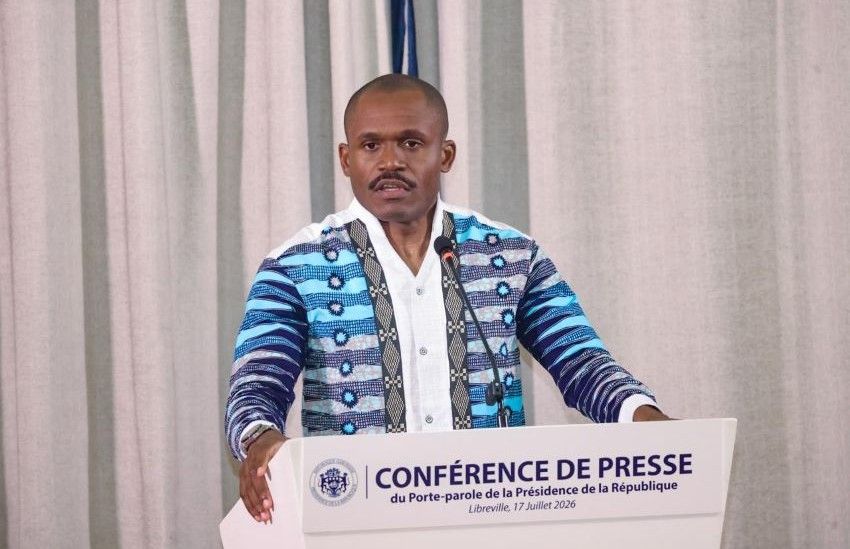
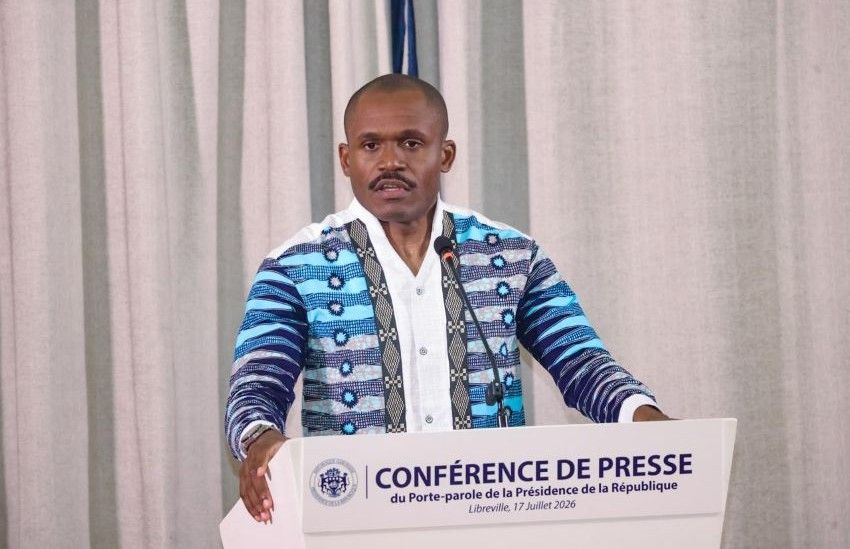
Libreville, Friday, July 17, 2026 – One month after addressing the Parliament in a historic Congress session, President Brice Clotaire Oligui Nguema has extended his commitment to political transparency through a press conference led by his Special Advisor and Presidential Spokesperson, Théophane Nzame-Nze Biyoghe.
Far beyond a routine institutional update, this public address outlined a clear doctrine for governance and national ambition, marking the transition from uncertainty to a sustainable transformation of the Gabonese State.
The message resonated both domestically and internationally: Gabon is determined to close the chapter on instability and emerge as a credible, influential, and strategically positioned actor on the regional and global stage.
According to the Presidential Spokesperson, the June 15 presidential address was ‘a defining moment of truth, transparency, and shared pride in the progress achieved and the path ahead.’ Behind these words lies an unshakable political resolve to simultaneously overhaul diplomacy, the economy, infrastructure, and Gabon’s social contract.
A nation reclaiming its place on the world stage
The new administration’s first priority has been restoring international credibility. Once viewed with caution by some partners, Gabon is now positioning itself as a key interlocutor on major African and global issues. The country is intensifying diplomatic initiatives, strengthening strategic partnerships, and asserting its interests with renewed confidence.
This shift reflects a deeper change in international perception, as Théophane Nzame-Nze Biyoghe emphasized: ‘Gabon is no longer a country that merely participates—it is one that counts, that influences, and that contributes to regional and global progress.’
This diplomatic momentum is matched by a structural economic transformation. The government aims to move beyond a model dependent solely on raw material exports, instead fostering an economy driven by local value creation.
A prime example of this industrial renewal is the domestic processing of manganese. The strategy is straightforward yet strategic: increase productive activity, develop national expertise, and generate skilled employment across Gabon.
This vision extends to agriculture, infrastructure, energy, digital technologies, and manufacturing, diversifying the economic base for long-term resilience.
Agriculture and infrastructure: the twin pillars of renewal
Agriculture has become a flagship sector in this diversification drive. Two state-of-the-art soil analysis laboratories have been built, the national veterinary laboratory has been rehabilitated, and a comprehensive legal framework for agricultural land tenure has been established. New regulations governing seeds and pesticides have also been adopted, alongside a landmark law on food safety standards.
On the ground, 145 tractors and agricultural equipment have been deployed nationwide, along with 91 vehicles for technical services. The emergency plan for the poultry sector alone mobilizes 120 billion Central African francs over two years, with 150 farms already identified for support. The creation of the Gabon Agropastoral Company further strengthens efforts to enhance national food sovereignty.
The infrastructure sector is undergoing an equally ambitious transformation. Nearly 1,900 kilometers of roads are under construction across the country, including critical axes like Ovan-Makokou, Ntoum-Cocobeach, and Alembe-Mikouyi. These projects are designed to unlock regional isolation and improve the movement of goods and people.
According to official figures, these works have already generated over 6,000 direct jobs across all provinces.
Social progress: the foundation of transformation
Economic ambition must be matched by tangible improvements in living standards. This is where the government’s credibility will ultimately be measured. The expansion of universal health coverage through the Fonds 4 system marks a significant step toward extending social protection to informal workers and voluntary contributors.
In healthcare, 14 operating theaters have been rehabilitated, and new scanners have been installed in Port-Gentil, Mouila, and Koulamoutou to reduce internal medical evacuations. A total of 268 general practitioners have been deployed nationwide, alongside 400 additional healthcare professionals and 200 trained community health workers.
The fight against rising living costs is also a top priority, with the establishment of the Gabon Purchasing Authority and fiscal measures aimed at safeguarding household purchasing power. Challenges in access to water and electricity have not been overlooked, as evidenced by the declaration of a water emergency to address pressing needs.
The Presidential Spokesperson stressed that these extraordinary efforts reflect an immediate commitment to action, while laying the groundwork for sustainable solutions. The upcoming state visit to France by President Oligui Nguema underscores this strategic repositioning and the pursuit of renewed international partnerships.
Yet beyond investments, agreements, and infrastructure, the ultimate challenge may lie elsewhere. ‘No national transformation can succeed without the collective mobilization of all stakeholders,’ reminded the Head of State’s Special Advisor.
This statement captures the essence of the coming years. Gabon’s future hinges not only on bold public policies but on the ability of institutions, businesses, civil society, and citizens to embrace this momentum together.
Gabon is no longer merely aiming for economic change—it is striving for a deeper cultural, political, and civic transformation. And often, it is in this silent revolution that the destiny of nations is decided.

Related Posts