
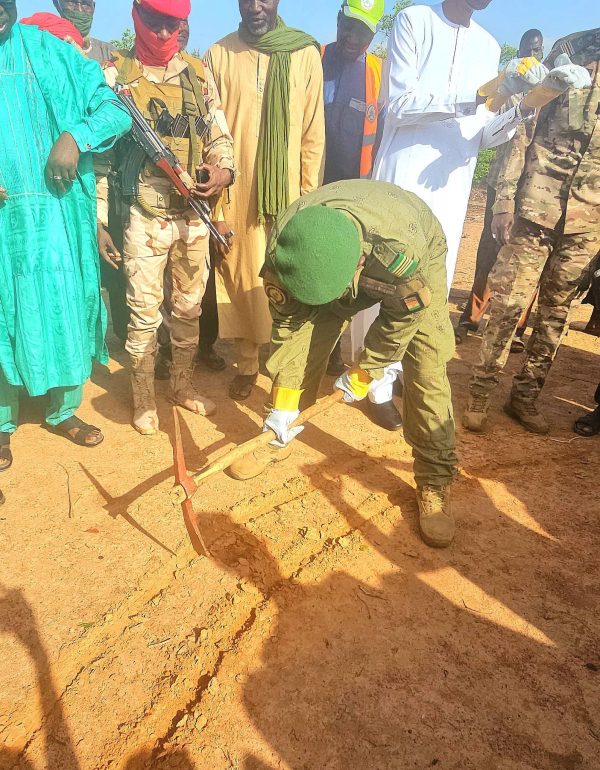
Gaya, June 5, 2026 — The urban commune of Gaya in Niger has initiated a significant undertaking this Friday, June 5, 2026: the restoration of 500 hectares of severely degraded pastoral land. This crucial project receives its funding from the Integrated Urban Development and Multi-sectoral Resilience Project (PIDUREM). Symbolic ground-breaking ceremonies were held at two primary locations, one situated within Gaya itself and the other in the nearby area of Tara, marking the official commencement of operations.
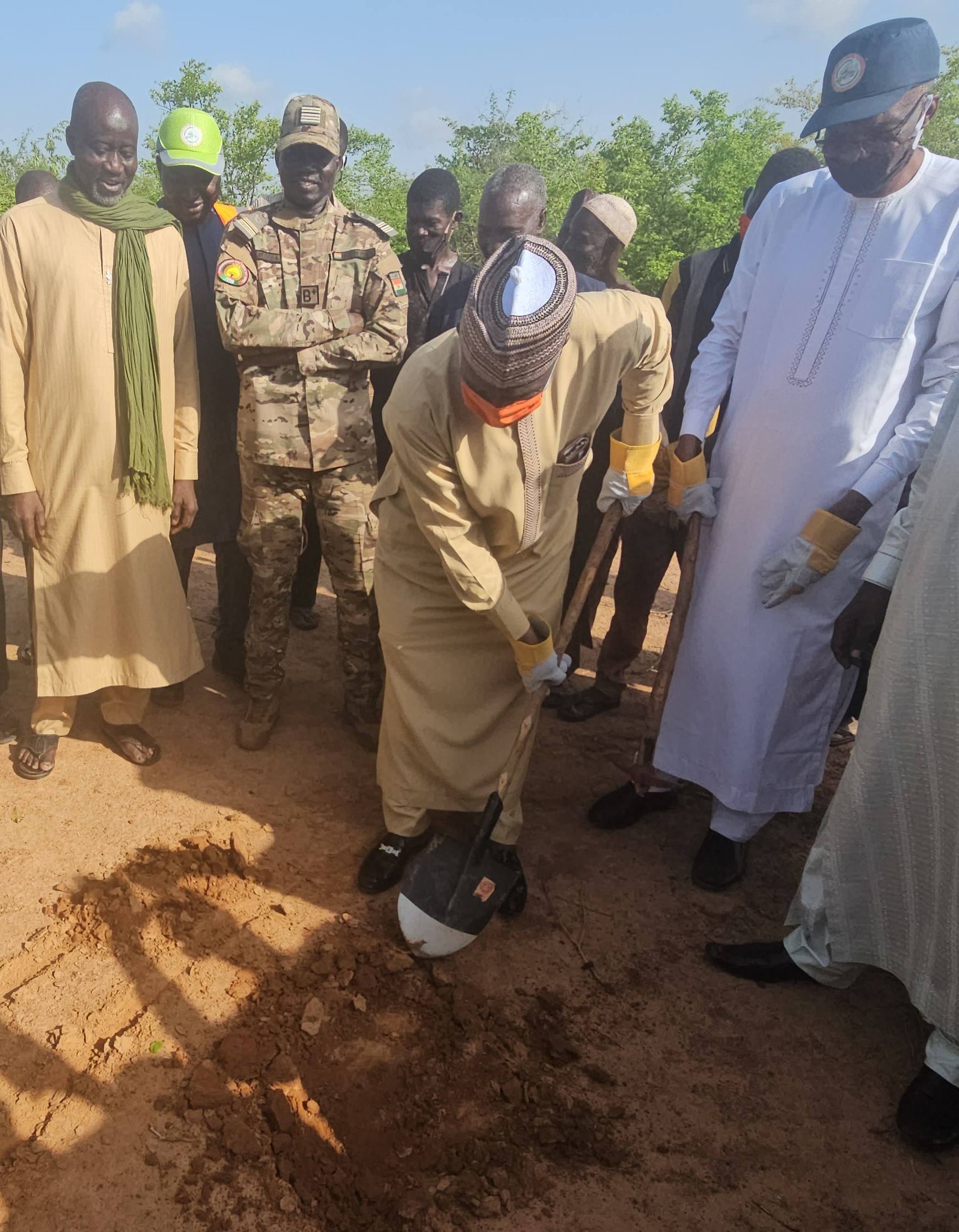
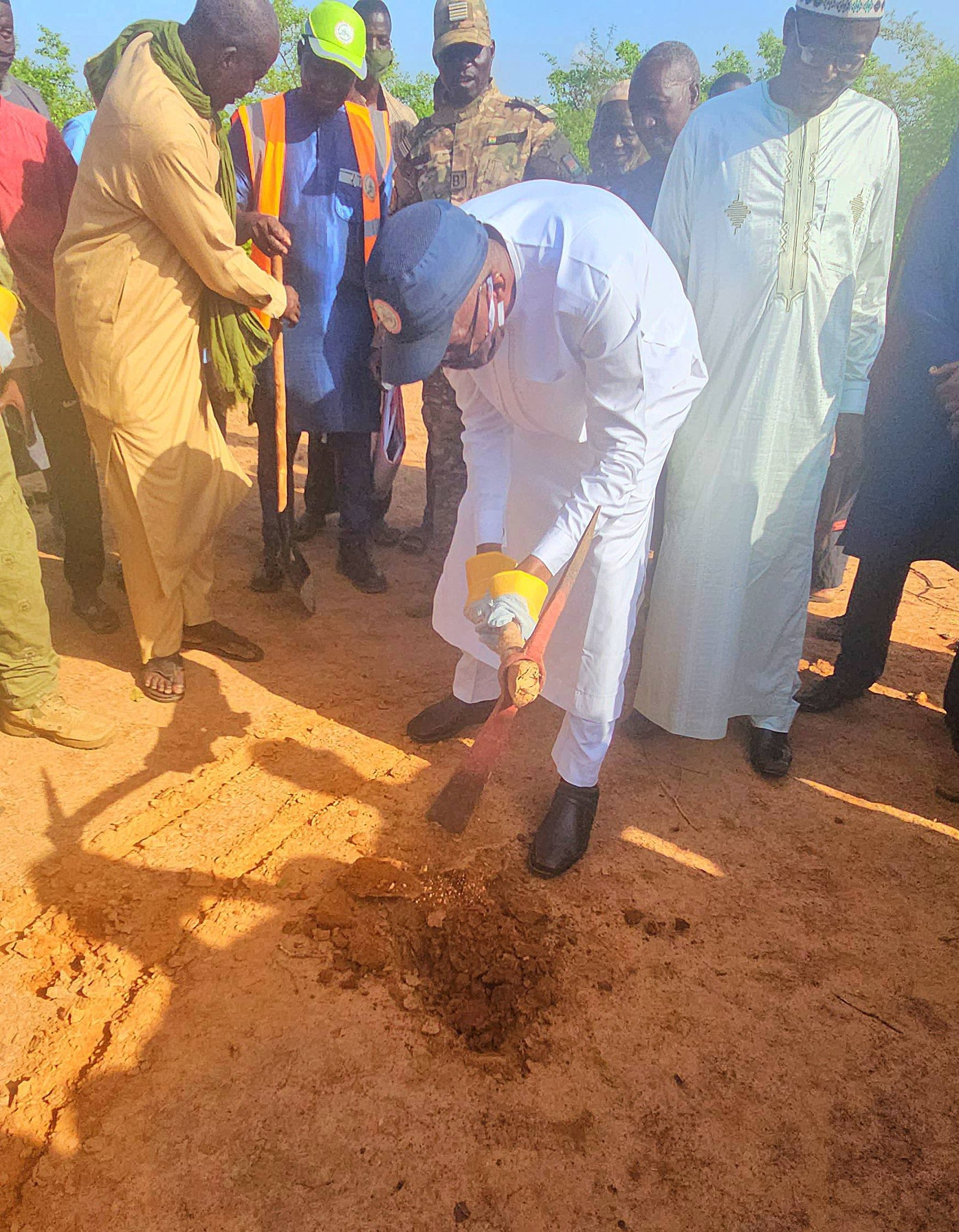
The morning saw a distinguished gathering, with the Prefect of Gaya department presiding over the event and performing the ceremonial first pickaxe strokes. Key officials in attendance included the delegated administrator of the commune, the secretary-general of the prefecture, a representative from the canton chief, and the regional coordinator of PIDUREM along with his dedicated team. Also present were the Deputy Regional Director of Environment for Dosso, the departmental director of Environment, representatives from ten vital partner NGOs, the respected chief of Tara village, and a significant portion of the local community, all witnessing this important moment for Niger.
Restoring and Protecting Vital Pastoral Lands
The PIDUREM-funded interventions are meticulously designed to achieve several critical objectives. These include the comprehensive restoration of highly degraded pastoral plots, robust protection of soils against erosion, and a substantial improvement in the land’s carrying capacity for livestock. Furthermore, the planned developments encompass strategic reafforestation efforts, the deployment of effective measures to combat both water and wind erosion, the construction of essential contour structures, and the rehabilitation of access tracks. These improvements are vital for facilitating sustainable pastoral activities and ensuring proper land surveillance in this crucial Sahel region.
Fostering Resilience and Local Economic Benefits
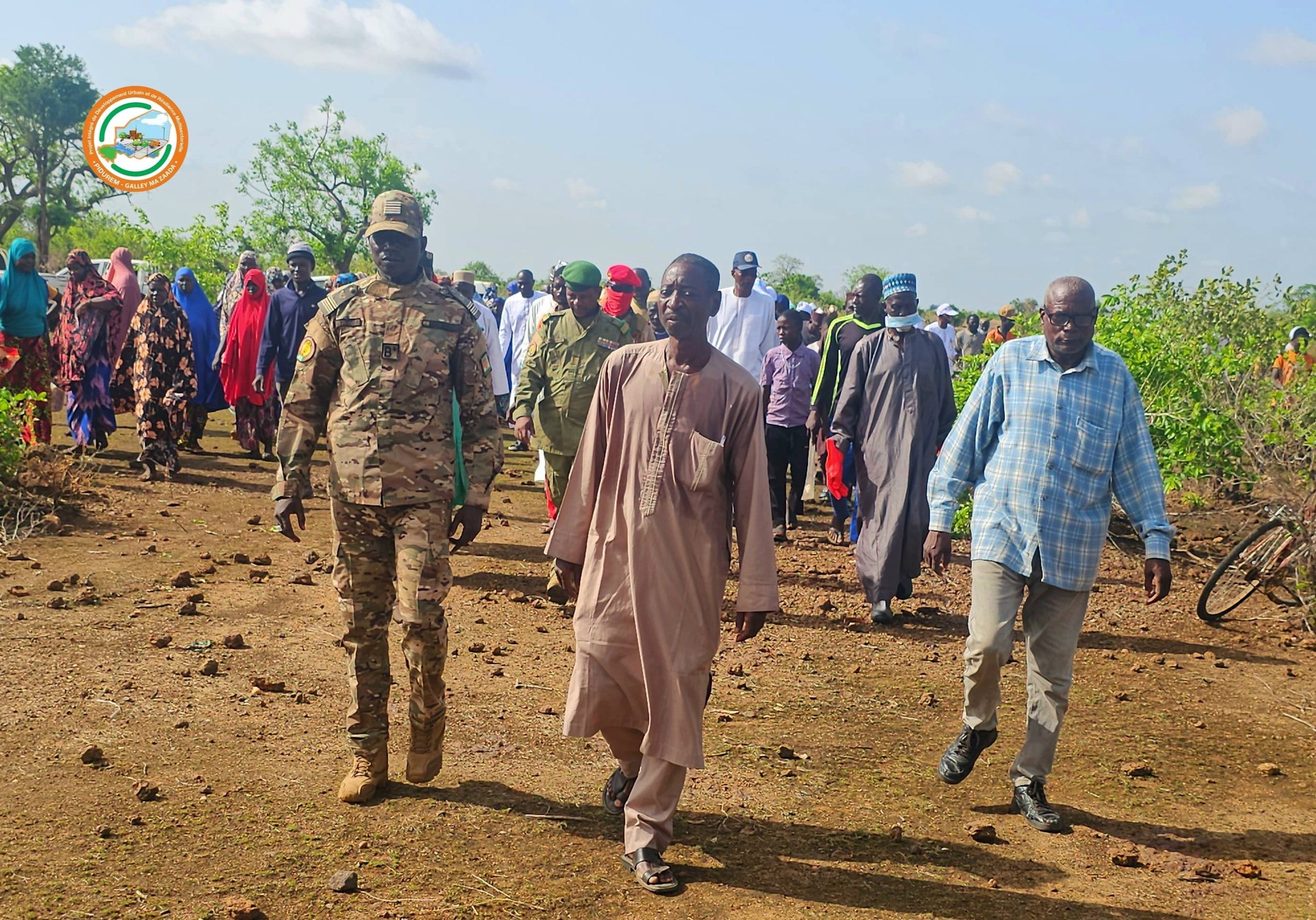
According to local authorities, these crucial interventions are set to bolster the resilience of communities in the face of escalating climate change impacts and contribute significantly to the preservation of invaluable natural resources. The regional coordinator of PIDUREM highlighted that the project will generate temporary employment opportunities for riparian populations, thereby injecting vital economic benefits into local communities during its implementation phase. This is positive news for the Sahel region.
Moreover, this initiative forms a part of a broader series of actions undertaken by PIDUREM across the region. These efforts are designed to curb land degradation, enhance food security, and mitigate conflicts arising from land use disputes between farmers and herders. The project also incorporates a robust technical and environmental monitoring framework, ensuring continuous evaluation of the interventions’ effectiveness and allowing for adaptive practices based on real-time results.
Beneficiaries and the Role of Partner NGOs
Direct beneficiaries of this project will be the numerous pastoral households and herders residing in neighboring villages, who will see their vital grazing routes restored and made more secure. Partner NGOs, integral to the project’s implementation, are tasked with conducting extensive awareness campaigns. These campaigns aim to foster a deeper understanding of sustainable land management practices and ensure the diligent upkeep of the completed developments. Work has commenced promptly, with the initial phase of land preparation and plantings scheduled for the coming weeks. Furthermore, regular evaluations and comprehensive progress reports will be generated, guaranteeing transparency and serving as a prerequisite for subsequent disbursements from funding partners, ensuring on the ground Sahel reporting is consistent.