
Since the early 2000s, African nations have been implementing progressive legislation to enhance gender parity, particularly in political representation. From legislative quotas to reserved seats in parliament, these initiatives aim to bridge the gap between men and women in governance.
Senegal’s incremental progress
In Senegal, the 2010 parity law mandates gender alternation on electoral lists for various elections, significantly boosting female representation in the National Assembly and local governments. However, this legislation does not apply to cabinet appointments, which remain at the president’s discretion. As a result, while women hold 43% of parliamentary seats, their presence in ministerial roles is far less consistent, reflecting political rather than legal constraints.
Chad’s bold steps toward equality
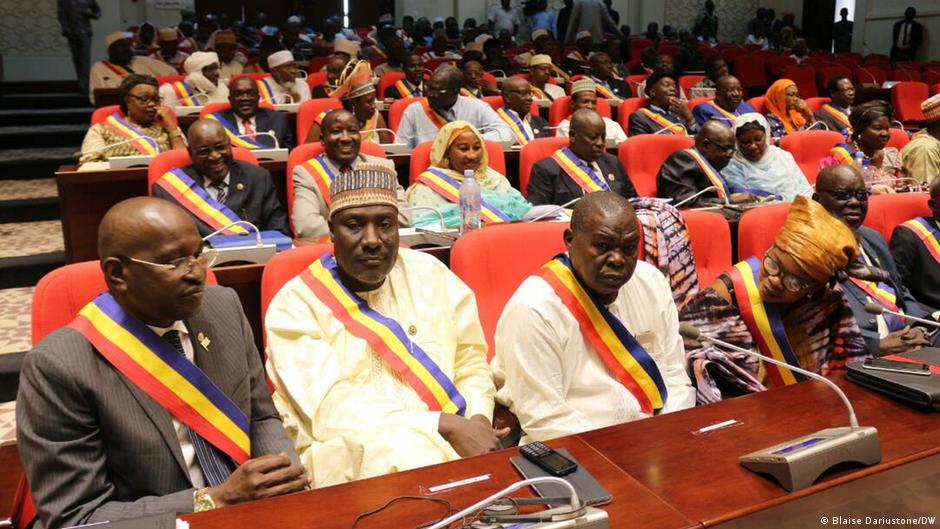
Chad has taken a more comprehensive approach with an ordinance in 2018 establishing gender parity in both elective and appointive positions. A 2021 decree formalized this commitment, requiring at least 30% female representation in government, major institutions, and central and territorial administrations. Recent electoral reforms have also enforced mandatory gender quotas on candidate lists.
These measures have yielded tangible results: women now make up 34% of the National Assembly (64 out of 188 seats) following the 2024–2025 elections. In the most recent cabinet reshuffle (April 1, 2026), 12 out of 37 ministers, deputy ministers, and secretaries of state are women—approximately 32% representation.
While progress is undeniable, systemic barriers—social, economic, and cultural—continue to limit women’s full participation in decision-making roles. The journey toward true gender equality in governance remains ongoing.