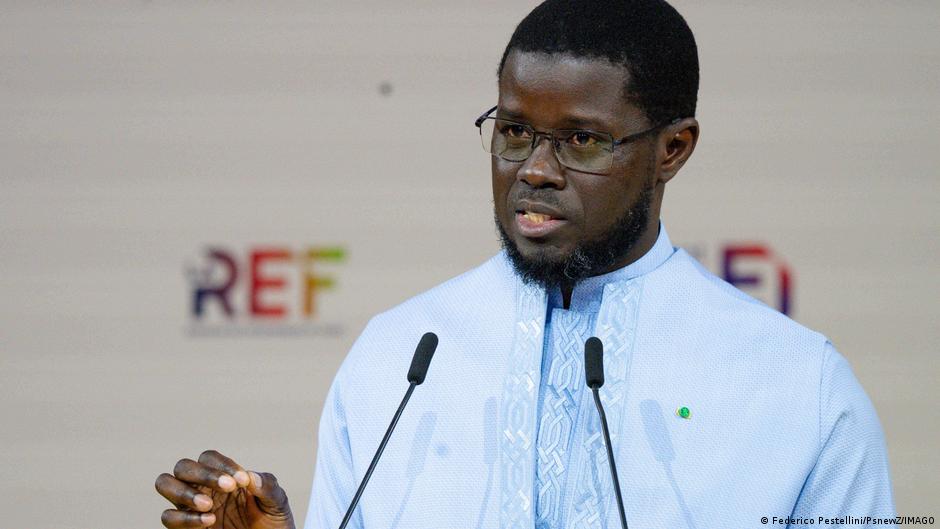

Recent political developments in Senegal have sparked intense debate about the direction of governance under President Bassirou Diomaye Faye. The reshuffle within the ruling coalition, particularly the unexpected rise of former Prime Minister Ousmane Sonko to the presidency of the National Assembly, has created a delicate balance of power in the country’s institutions.
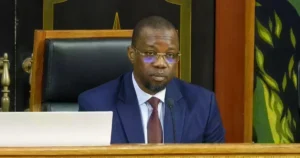
Ousmane Sonko’s election as Speaker, secured with overwhelming support from his party, Pastef, marks a significant shift in the political landscape. Despite sharing the same political origins as the President, Sonko’s appointment introduces a new dynamic that could challenge the executive’s agenda. This comes less than a year after his dismissal from the prime ministerial post—a move that underscored the growing tensions within the ruling party.
In response to these political tremors, President Faye named Ahmadou Al Aminou Lô, a seasoned economist from the Central Bank of West African States (BCEAO), as the new Prime Minister. This strategic choice signals an intent to stabilize governance amid economic challenges, including high inflation and debt pressures that continue to strain public finances.
The political landscape now presents a complex puzzle for President Faye. With Sonko holding the second-highest office in the state, the President must navigate a delicate relationship with a figure who commands significant influence within his own party. The question on everyone’s mind: Can Bassirou Diomaye Faye implement his reform agenda while managing this internal power struggle?
To explore these pressing issues, a panel of distinguished analysts gathered to dissect the implications of this evolving political equation:
- Mamoudou Ibra Kane, a seasoned journalist and author of Troisième alternance au Sénégal: mon double regard, which offers a critical perspective on Senegal’s political transitions. He is also the leader of the political movement “Demain”.
- Karine Oriot, a geopolitical analyst with deep insights into West African affairs.
- Moussa Diaw, a professor emeritus of political science at the Université Gaston Berger in Saint-Louis, specializing in international relations and governance in the Sahel region.
The discussion delved into the potential outcomes of this political realignment and what it could mean for Senegal’s future.