
Hundreds of nigerians freed from boko haram captivity in borno state
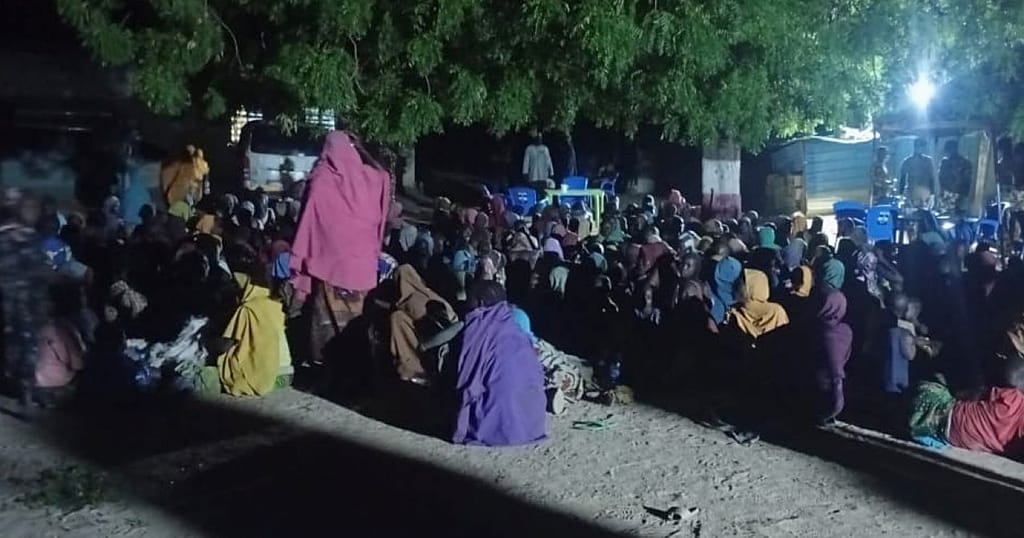
hundreds of nigerians freed from boko haram captivity in borno state
Hundreds of civilians abducted earlier this year in Borno State, northeastern Nigeria, by Boko Haram militants have been released over the weekend, local and youth leaders confirmed.
Abductions, frequently motivated by ransom demands, have become a hallmark of the insurgent group’s tactics in its 17-year campaign against the Nigerian government, primarily concentrated in the northeast.
Samaila Kaigama, president of the Borno South Youth Alliance (BOSYA), stated that his organization secured the release of 416 women and children who were taken from Ngoshe. The freed hostages were handed over on Saturday, he told reporters.
Senator Mohammed Ali Ndume of Borno State corroborated the accounts of their liberation.
The exact circumstances surrounding their release remain unclear. According to local sources, the victims had endured harsh conditions after being abducted from multiple villages, particularly in the Ngoshe area.
Tragically, two infants died during captivity due to exhaustion and the rugged terrain, as reported by Daniel Bwala, spokesperson for President Bola Tinubu.
Military officials disclosed that intelligence gathering and psychological operations were deployed to sow discord among insurgent ranks before initiating the rescue phase.
The militants had initially demanded millions of nairas in ransom for the Ngoshe hostages. While Nigerian authorities deny paying ransoms, security analysts suggest such payments—whether by the government or victims’ families—are not uncommon in the region.
Nigeria’s kidnapping crisis, fueled by armed groups including jihadists, bandit gangs, and separatists, has surged in recent years. Between July 2024 and June 2025 alone, ransom payments totaling an estimated 1.66 billion nairas were reported, according to security intelligence assessments.
Ngoshe, located less than 10 kilometers from the Cameroonian border in the Gwoza hills—a known stronghold of Boko Haram—has faced repeated attacks over the past decade.
Since Boko Haram’s emergence in 2009, the insurgency has evolved into a multifaceted conflict, claiming tens of thousands of lives and displacing millions across Nigeria’s northern regions.