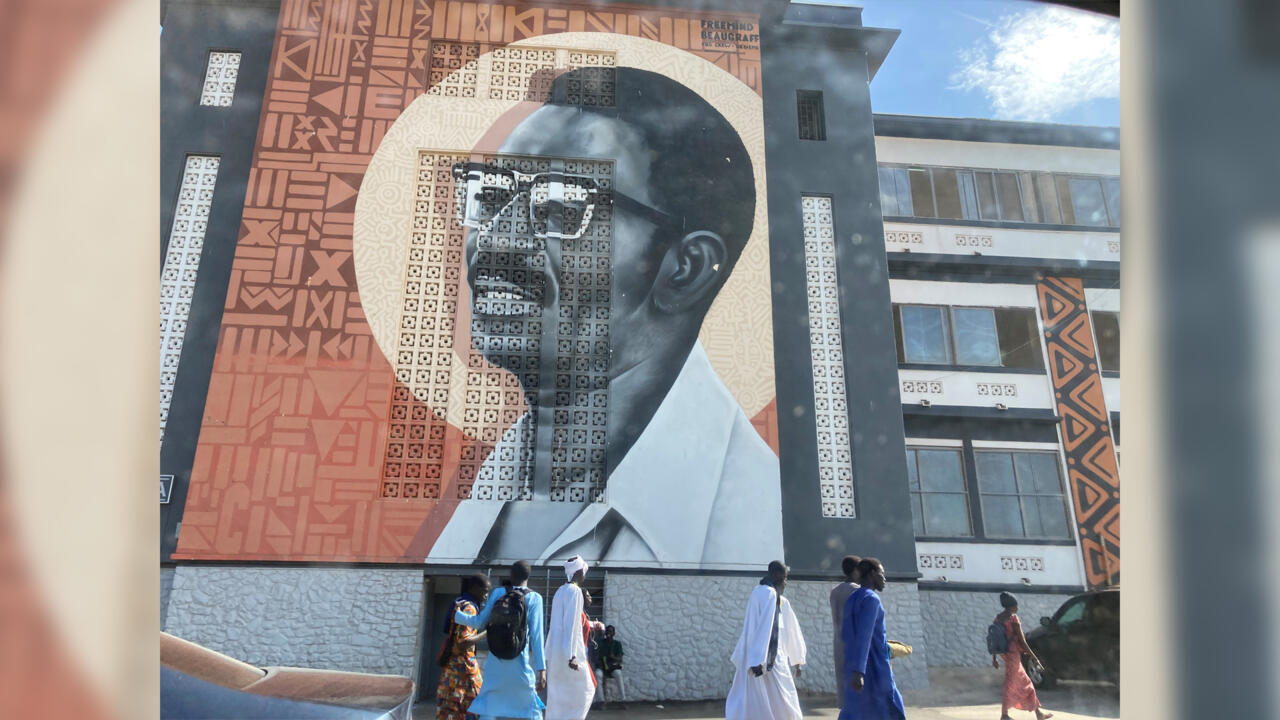

The University of Dakar in the 1970s embodied a paradox: one of Africa’s most brilliant minds worked within its walls, yet was barred from teaching there. That mind belonged to Cheikh Anta Diop, a towering intellectual whose ideas clashed head-on with President Léopold Sédar Senghor’s vision of African rebirth. Today, we explore the intellectual duel that shaped the campus of the University of Dakar, now named in his honor.
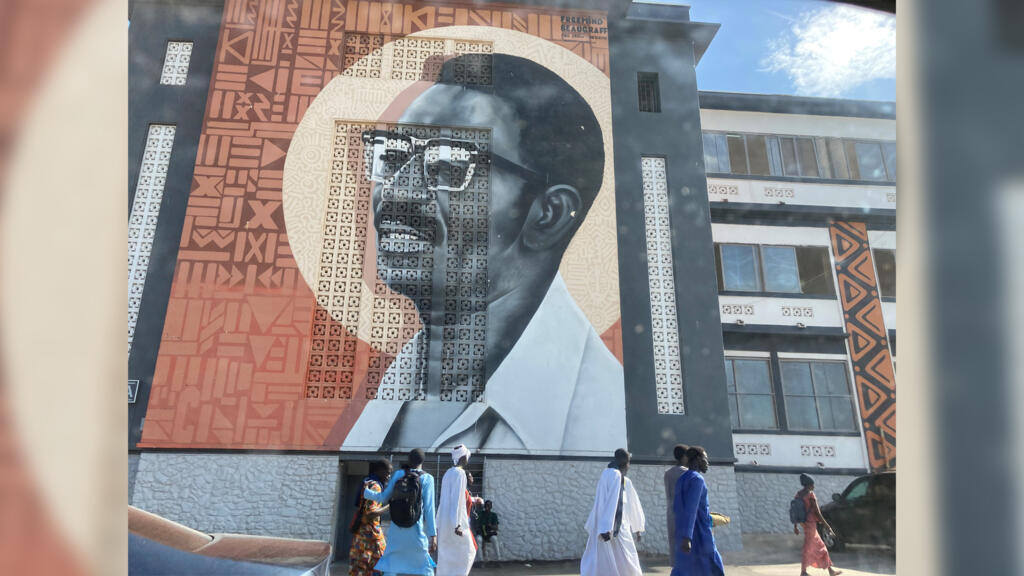
In the post-independence Senegal of the 1970s, President Senghor’s ideology of Négritude dominated intellectual discourse. Yet, beneath this official narrative, the University of Dakar’s campus pulsed with dissent. Buuba Diop, a historian who attended the university at the time, recalls the tension: “Senghor and the students didn’t see eye to eye. Those who challenged his ideas were in the majority. Socialist Party students were the minority. In fact, some student organizations were even banned.”
At the heart of this intellectual divide stood Cheikh Anta Diop, a scholar whose groundbreaking 1955 book, Nations nègres et culture, presented a radical thesis: that ancient Egyptian civilization was fundamentally African, rooted in black identity. This stood in stark contrast to Senghor’s Négritude, which framed African identity through an emotional and cultural lens rather than historical and scientific evidence. “For Senghor, ‘emotion is Black, reason is Hellenic,’” explains historian Buuba Diop. “Diop couldn’t agree with that.”
Cheikh Anta Diop argued that Africa’s rebirth must begin with reclaiming its historical narrative, particularly the African origins of Egypt. Fatou Sow, a sociologist who was also a student at the university, reflects on the ideological clash: “The debate over Egypt, the origins of African civilization—Senghor was completely opposed. I think he respected Diop as a brilliant man, but he disagreed fundamentally with his ideas. They engaged in a prolonged debate that lasted for years.”
a voice for african languages
The two intellectuals also differed sharply on language policy. While Senghor championed French as the language of education and governance, Diop advocated for the use of African languages, particularly Wolof. His advocacy, however, came at a cost. For over a decade, Diop was denied the right to teach history at the university. Instead, he worked at the Fundamental Institute of Black Africa (IFAN), where he pioneered the use of carbon-14 dating to explore Africa’s ancient past.
On campus, opportunities to hear Diop were rare. Fatou Sow recounts a pivotal moment: “The Association of African Historians organized a conference on ancient antiquity and the Mediterranean. Cheikh Anta Diop wasn’t even on the program. A group of students went to the organizers and said, ‘You can’t discuss these topics without inviting Cheikh Anta Diop.’ They reluctantly added him. When he spoke, the room fell silent. He spoke alone. It was a powerful moment—the first time he addressed the campus directly.”
Diop passed away in 1986 at the age of 62. A year later, the University of Dakar was renamed in his honor, as was IFAN. For Fatou Sow, however, this recognition came too late. Even today, Wolof, the language Diop fought to elevate, remains absent from the curriculum at the university that bears his name.