

Inside Kidal: where Mali’s rebellion continues to simmer
In the sprawling desert expanse of northern Mali, Kidal stands as a symbol of enduring resistance. The city remains a hotspot of tension, where armed factions assert control and civilian life hangs in the balance. Recent reports from the ground paint a picture of a city still very much at war, despite international efforts to restore peace.
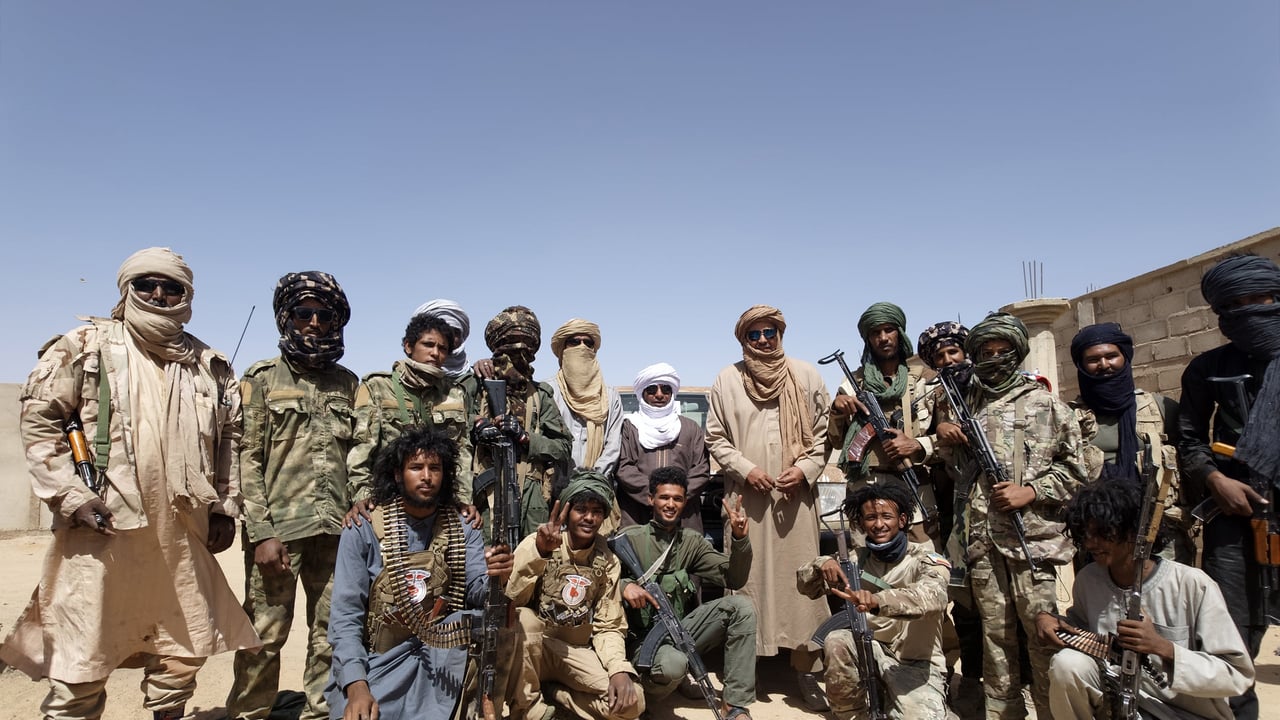
Alghabass Ag Intalla, head of the Front de Libération de l’Azawad (FLA), was seen rallying his forces in the heart of Kidal on May 1, 2026. His presence underscores the city’s role as a strategic stronghold for rebel groups operating in the region. While Bamako struggles to extend its authority, Kidal remains a bastion of opposition, defying attempts at reconciliation.
The shifting sands of power in northern Mali
The Groupe de Soutien à l’Islam et aux Musulmans (GSIM), led by Iyad Ag Ghaly, continues to exert influence across vast stretches of the Sahel. Their operations in and around Kidal highlight the challenges facing Malian and international forces. Meanwhile, Assimi Goïta, Mali’s transitional leader, grapples with the daunting task of uniting a fractured nation while battling entrenched insurgencies.
Life under siege: civilians caught in the crossfire
Residents of Kidal describe a city under siege, where basic services are scarce and fear permeates daily life. Markets operate under strict controls, and movement in and out of the city is heavily restricted. Aid organizations warn of a humanitarian crisis unfolding, with thousands displaced and struggling to access food, water, and medical care.
The situation in Kidal reflects broader struggles across the Sahel, where militancy and instability have taken root. With no clear end in sight, the people of northern Mali face an uncertain future, caught between warring factions and the absence of lasting peace.
Military stalemate and diplomatic deadlock
Despite multiple ceasefire agreements and international mediation efforts, Kidal remains a flashpoint. The Malian transitional government has made little progress in asserting control, while rebel groups continue to challenge state authority. The FLA and other factions show no signs of backing down, further complicating peace negotiations.
The international community’s role remains contentious. Some observers argue that external intervention has done little to stabilize the region, while others insist that continued support is vital to prevent further deterioration. As the conflict drags on, the humanitarian toll grows, and the prospects for reconciliation dim.
For now, Kidal remains a city at war—a stark reminder of the deep-rooted challenges facing Mali and the wider Sahel. Without decisive action, the cycle of violence is likely to persist, leaving civilians to bear the brunt of the crisis.



