
Listen to this articleAbout 2 min
Prime Minister Ousmane Sonko recently addressed the critical issue of market infrastructure management during a Council of Ministers meeting held on Wednesday, May 20, 2026. He observed that many of Senegal’s commercial establishments, predominantly constructed starting in the 1970s, are suffering from advanced deterioration and present significant safety hazards.
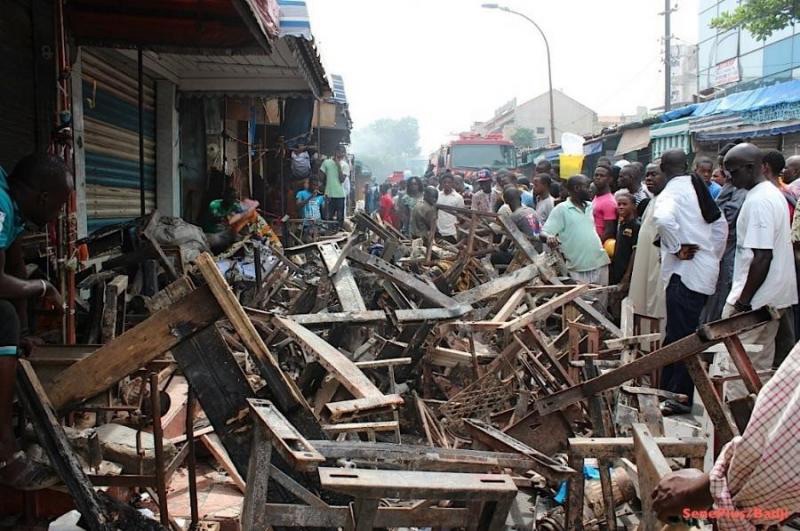
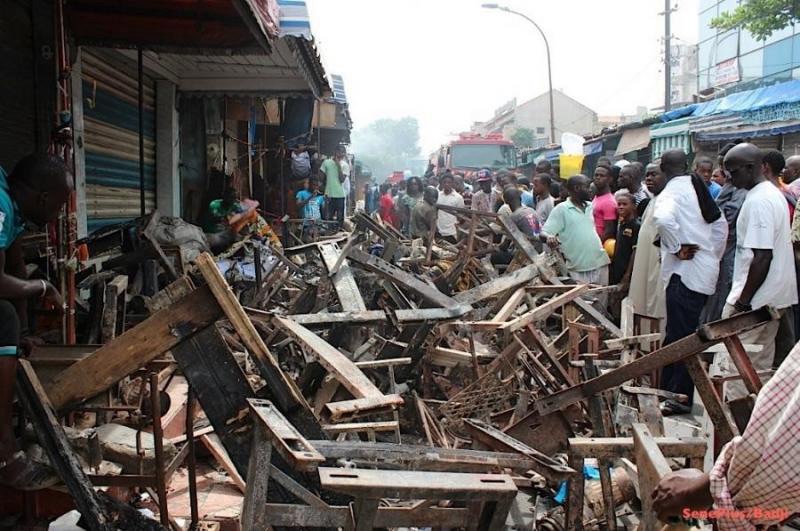
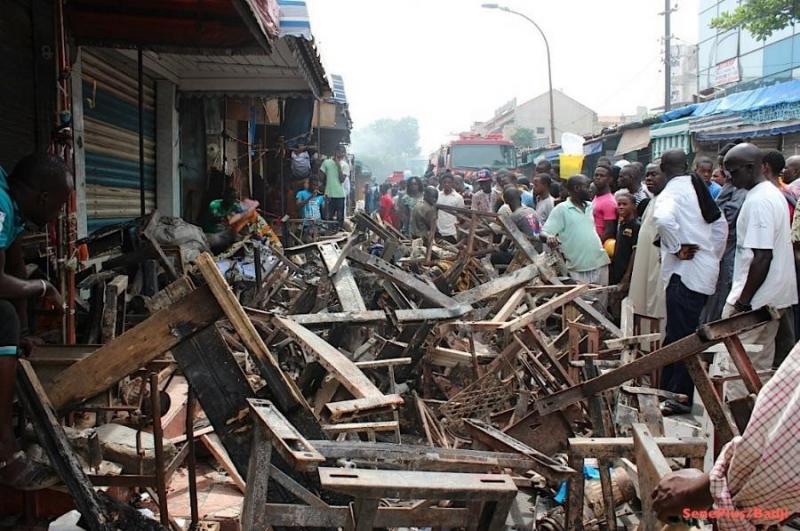
The head of government revealed a stark statistic: between 2013 and 2024, at least 53 markets experienced one or more fire incidents, underscoring the sector’s inherent vulnerabilities. A comprehensive diagnostic analysis identified numerous challenges beyond mere governance, encompassing technical, infrastructural, organizational, environmental, and sanitary aspects.
The Prime Minister also acknowledged ongoing efforts under the Market Modernization and Management Program (PROMOGEM), whose strategic development plan spans from 2025 to 2029. According to Mr. Sonko, this ambitious plan seeks to revitalize 528 existing markets and construct 67 new, modern commercial spaces across Senegal. He outlined the key strategies for the pilot phase, while also pointing out existing limitations.
He proposed solutions designed to enhance the structure’s operational agility, improve budgetary efficiency, and boost its capacity to attract innovative funding. These include an institutional transformation into an administratively and financially autonomous entity, a significant financial allocation of 57.5 billion FCFA over four years from the State’s Public Investment Plan (PIP), and a thorough revision of the current legal framework.
In this context, Ousmane Sonko directed the Minister of Industry and Commerce, in collaboration with the Minister of Finance and Budget and the Minister of Urban Planning, Local Authorities, and Territorial Development, to devise and implement a nationwide network of modern markets. He further stressed the importance of rigorous management for these commercial facilities by both local territorial collectives and the national private sector.
The head of government revealed a stark statistic: between 2013 and 2024, at least 53 markets experienced one or more fire incidents, underscoring the sector’s inherent vulnerabilities. A comprehensive diagnostic analysis identified numerous challenges beyond mere governance, encompassing technical, infrastructural, organizational, environmental, and sanitary aspects.
The Prime Minister also acknowledged ongoing efforts under the Market Modernization and Management Program (PROMOGEM), whose strategic development plan spans from 2025 to 2029. According to Mr. Sonko, this ambitious plan seeks to revitalize 528 existing markets and construct 67 new, modern commercial spaces across Senegal. He outlined the key strategies for the pilot phase, while also pointing out existing limitations.
57.5 Billion FCFA over Four Years and Institutional Reform
He proposed solutions designed to enhance the structure’s operational agility, improve budgetary efficiency, and boost its capacity to attract innovative funding. These include an institutional transformation into an administratively and financially autonomous entity, a significant financial allocation of 57.5 billion FCFA over four years from the State’s Public Investment Plan (PIP), and a thorough revision of the current legal framework.
In this context, Ousmane Sonko directed the Minister of Industry and Commerce, in collaboration with the Minister of Finance and Budget and the Minister of Urban Planning, Local Authorities, and Territorial Development, to devise and implement a nationwide network of modern markets. He further stressed the importance of rigorous management for these commercial facilities by both local territorial collectives and the national private sector.
RSS & XML feedsCopy the feed link into your favourite RSS reader