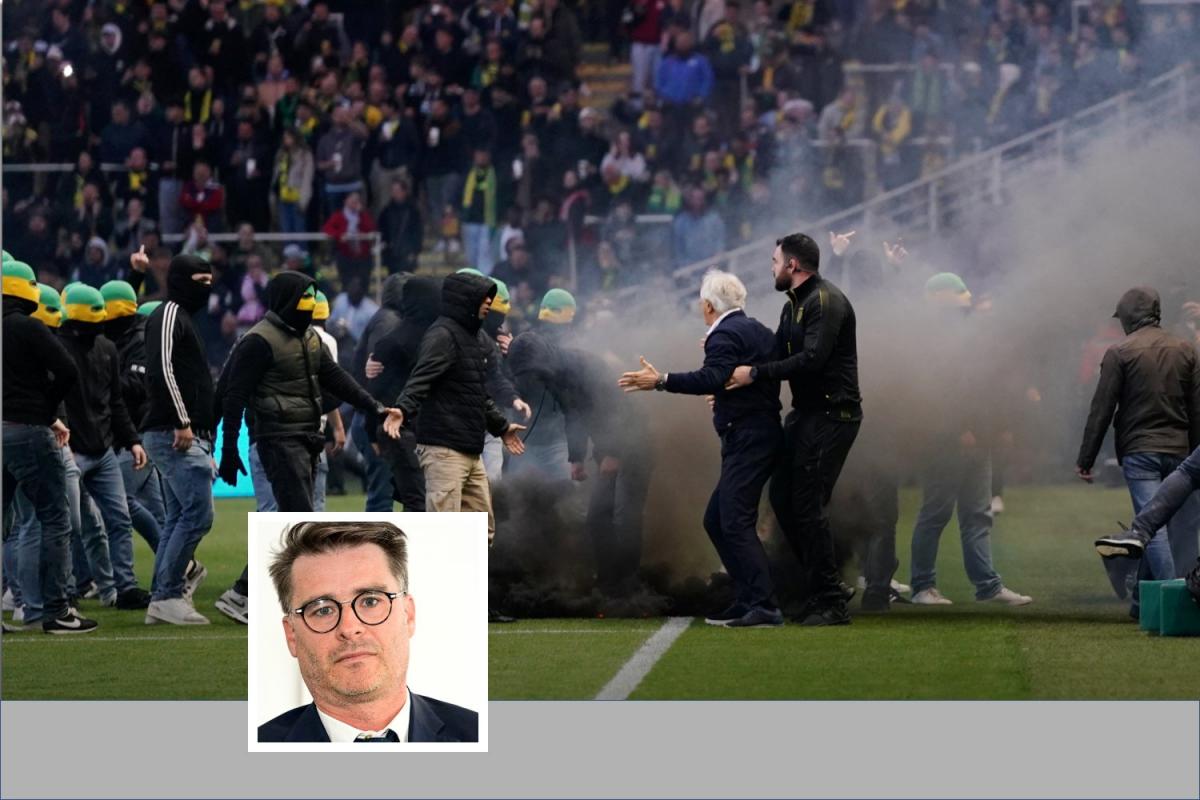

LFP’s decision on nantes-toulouse 0-0 stands: president deneux cites lack of sporting stakes
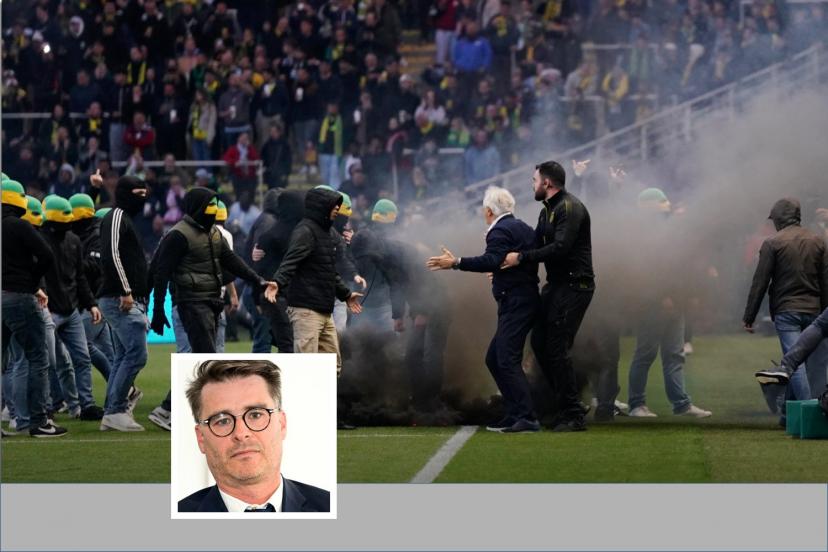
Sébastien Deneux, president of the LFP’s Disciplinary Commission, has defended the decision to validate the 0-0 result of the Nantes-Toulouse match, which was halted on May 17 due to a pitch invasion. This ruling has been met with opposition from the Toulouse club.
The final Ligue 1 matchday fixture between Nantes and Toulouse, played on May 17, was prematurely concluded after Nantes supporters stormed the field. The Toulouse Football Club (TFC) expressed strong disapproval of the LFP Disciplinary Commission’s choice to ratify the 0-0 scoreline, indicating they are considering an appeal against the ruling.
“We regret that this encounter could not be completed under normal circumstances, and we question what the club could have realistically done, in such a situation, to allow the match to finish. We will also remain vigilant regarding the potential detrimental precedents such a decision could set in the future,” stated TFC in an official communication. The Toulouse club undoubtedly would have preferred to be awarded a 3-0 victory by default. Sébastien Deneux, the LFP Disciplinary Commission president, has since addressed the brewing controversy.
The decision to confirm the match score, despite Nantes and its supporters being responsible for the interruption, has raised many questions…
Firstly, this option was introduced into the regulations two years ago. Previously, in cases of definitively interrupted matches, choices were limited to forfeiture or the possibility of replaying the match at 0-0. Secondly, and this is a crucial aspect here, this particular case was unique because it held no sporting significance for either team, at least at the moment of interruption. FC Nantes had already been relegated, and TFC, whether with a draw or a victory, would finish 9th in the Ligue 1 standings with 45 or 47 points. In essence, the decision to declare a forfeited match or to confirm the existing score had precisely the same effect from a strictly sporting perspective.
« It is absolutely out of the question for clubs and supporters to attempt, through their conduct, to influence the outcome of a match »
But why was this decision chosen over a match forfeiture?
The options available to the Disciplinary Commission were specifically introduced to decouple sporting outcomes from disciplinary sanctions as much as possible, and to prevent any form of “windfall effect.” This refers to a club potentially “benefiting” from the opposing supporters’ behavior to gain a sporting advantage that was not established at the time the match was stopped. Here, the choice was made to confirm the score, given that one could seriously question why TFC should be awarded a 3-0 victory by default for a match interrupted at 0-0…
Do you not fear that this decision could establish a dangerous precedent for the future?
No, not at all. Precisely because this decision must be viewed through the specific lens I just mentioned: the absence of sporting impact. In any other scenario, and without engaging in “disciplinary fiction,” it is almost certain that a different decision would have been rendered. It is absolutely out of the question for clubs and supporters to attempt, through their conduct, to influence the outcome of a match via a definitive interruption, and hope to derive any profit from it. We will always remain exceedingly vigilant on this point.