
Luanda summit: DRC’s Félix Tshisekedi warns of ‘selective’ peace efforts in East Congo
- Security
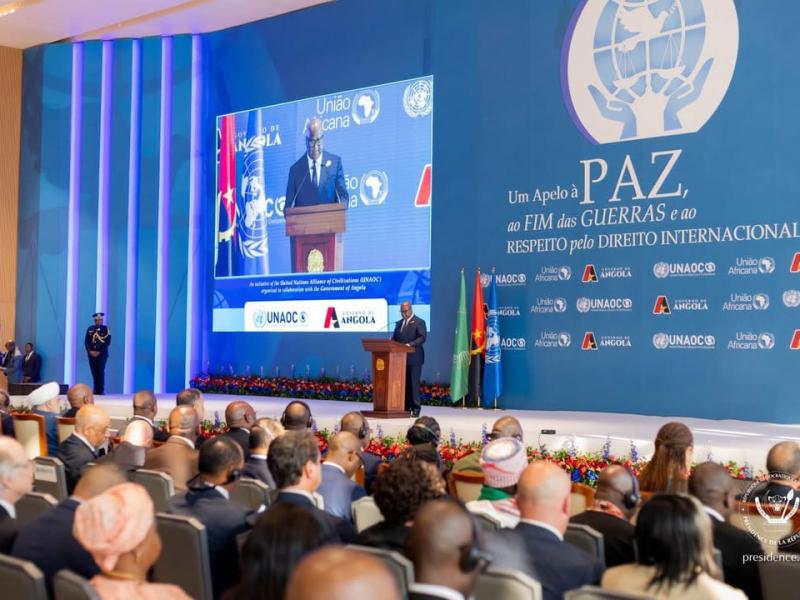
The two-day international peace summit in Luanda, Angola, organized under the theme “A Call for Peace, End of Wars and Respect for International Law”, concluded with a powerful address by Félix Tshisekedi, President of the Democratic Republic of Congo (DRC). The gathering, held on July 16-17, 2026, brought together African and global leaders to address escalating conflicts across the continent, with a particular focus on the DRC’s eastern region.
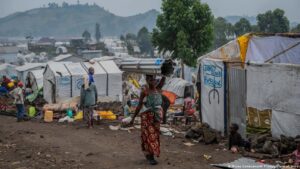
Tshisekedi, a keynote speaker at the event, delivered a blunt critique of the international community’s inconsistent approach to peace and justice. He emphasized the human cost of war in the DRC, highlighting the plight of displaced families, women subjected to violence, and children denied education. He also condemned the role of illicit resource exploitation in fueling armed groups.
“The East Congo crisis is a test for Africa and the world”
Félix Tshisekedi framed the conflict in eastern DRC as a litmus test for Africa and the international community. He described the situation as “a grave security and humanitarian crisis”, driven by armed group activity, mass displacement, and foreign interference.
“For years, our nation has endured the scourge of war. We have seen families uprooted, women’s dignity violated, communities massacred, and children robbed of their future. We have also witnessed how the illegal exploitation of our natural resources—meant to build our nation—instead funds war and destruction.”
Tshisekedi acknowledged the diplomatic efforts underway, including the Washington and Doha processes, but stressed that concrete, verifiable peace must replace empty promises. He called for:
- Restoring state authority in conflict zones;
- Ensuring the protection of civilians and facilitating the safe return of displaced populations;
- Ending impunity through credible justice mechanisms;
- Cutting off the economic lifelines of armed groups;
- Condemning foreign interference and support for militias.
“Peace cannot remain a distant promise. It must be tangible, verifiable on the ground, and rooted in justice. The Luanda Call must not be another hollow declaration—it must be a binding commitment to uphold international law everywhere it is threatened.”
A plea for renewed commitment
Tshisekedi urged leaders to prioritize people over politics, warning that “the credibility of multilateralism weakens when state sovereignty is violated selectively.” He invoked the 80th anniversary of the UN Charter, urging action to “preserve future generations from the scourge of war.”
Despite ongoing negotiations, the security situation in eastern DRC remains dire, with hostilities persisting and peace agreements unfulfilled. Tshisekedi’s speech underscored the urgency of translating diplomatic rhetoric into real, measurable change.