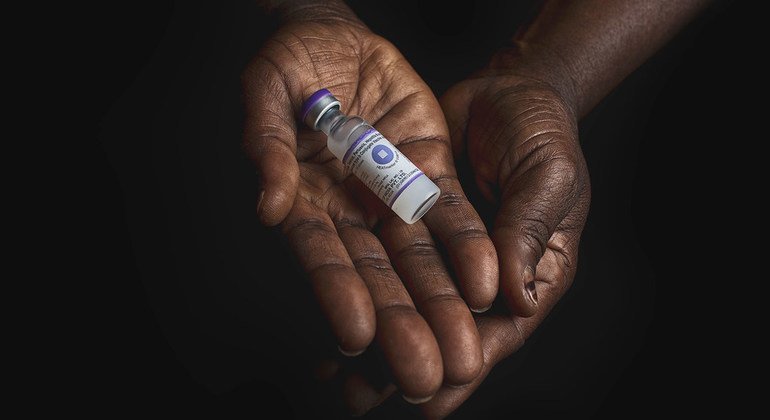

A dangerous health emergency is unfolding across Mali. Since the middle of September, the nation has been grappling with a swift surge in diphtheria cases. This infectious disease, which is entirely preventable through vaccination, is finding fertile ground in a country where the healthcare infrastructure is crumbling and humanitarian aid is increasingly restricted.
By the start of December, official reports documented more than 530 infections and at least 30 fatalities. However, the Nations Unies have issued a warning that these figures likely represent only a fraction of the true toll, as many cases go unrecorded due to significant reporting gaps.
Critical regions and systemic failures
The highest mortality rates are currently concentrated in the central regions of Mopti and Ségou, as well as Tombouctou in the northwest. These areas are already suffering from chronic insecurity, restricted movement, and the collapse of essential public services. In these territories, the epidemic is being fueled by a lack of available vaccines, limited medical facilities, and the continuous displacement of vulnerable populations.
Emergency funding to combat the outbreak
In response to the escalating situation, Tom Fletcher, the Nations Unies emergency relief coordinator, has authorized the release of one million dollars from the Central Emergency Response Fund (CERF). This financial injection is intended to support the OMS in launching an immediate medical intervention.
The planned response includes several key pillars:
- Deployment of rapid medical response teams to the hardest-hit zones.
- Distribution of essential antitoxins and antibiotics.
- Enhancement of infection control measures and patient management.
- Rigorous contact tracing and community-led awareness campaigns.
Obstacles to humanitarian assistance
Despite these efforts, the reality on the ground remains incredibly difficult. Humanitarian access within Mali is becoming more restricted by the day. Throughout the northern and central parts of the country, severe fuel shortages, security threats, and travel limitations have hampered recent aid operations. Mobile health clinics are struggling to reach remote areas, and the supply chains necessary for medical equipment are under constant strain.
This diphtheria spike is a symptom of a much larger crisis. With more than a quarter of the population in Mali currently requiring humanitarian assistance, the spread of this disease highlights the extreme vulnerability of the country’s state systems and the urgent need for sustained international support.



