
Mali restricts 40 forests to civilians in fight against militants
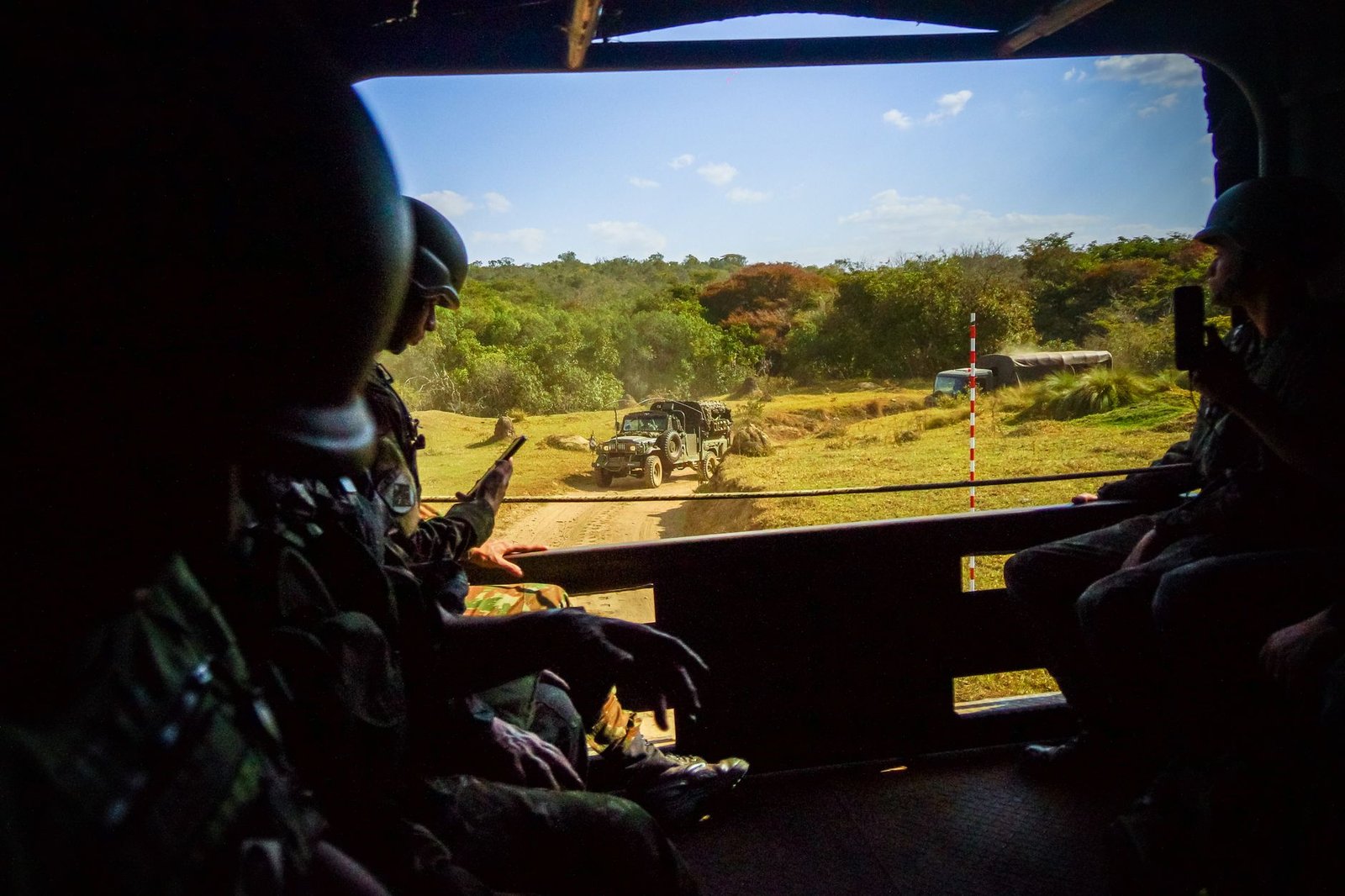
The Malian junta has escalated its territorial recovery strategy by designating 40 forests as military zones, barring civilian access under a decree published in early June 2026. These areas, now under the exclusive control of the Malian Armed Forces (FAMa), are intended to disrupt the operational bases of jihadist factions linked to the Islamic State in the Sahel and the Group for the Support of Islam and Muslims (JNIM).
Military mapping reshapes land use across Mali
The decree outlines a detailed list of affected forest regions spanning multiple administrative zones. Central and southern woodlands—historically used as insurgent havens—are central to this initiative. By sealing off these spaces, authorities aim to sever supply lines to armed groups and enable unhindered aerial operations without endangering local populations.
The forest’s role in this policy is deliberate. For over a decade, these areas have functioned as hybrid zones blending subsistence economies, illicit trade, and insurgent activity. Villagers rely on them for firewood, medicinal plants, and hunting, while pastoralists use them for seasonal grazing. The new legal framework effectively places these resources under military oversight, fundamentally altering long-standing practices.
Entry into these zones is now prohibited, with potential penalties for violators. Military patrols and surprise operations can proceed without prior notice. This move aligns with the junta’s hardline approach following the 2020–2021 coups, which ended French military presence and shifted Mali’s security partnerships toward Russian support.
Military gains vs. humanitarian fallout
The success of this strategy hinges on the FAMa’s ability to sustain control over the forested regions. Since the UN’s MINUSMA peacekeeping mission withdrew in 2023, helicopter raids and precision strikes have become the backbone of Mali’s counterinsurgency efforts. The new decree expands the legal framework for these operations, positioning Bamako as reasserting authority over areas where insecurity has crept closer to major cities like Bamako and Kayes.
Yet the humanitarian toll could prove severe. Tens of thousands of rural dwellers live adjacent to the targeted forests, with many depending on forest-based livelihoods for income. The ban risks exacerbating hardships amid persistent drought, rising food prices, and shuttered border markets. Evidence from Burkina Faso—where similar military zones were established in 2023—suggests a direct link between expanded militarized zones and mass internal displacements.
Sahel-wide shift toward militarized control
Mali’s policy mirrors a broader regional trend. Burkina Faso and Niger, both members of the Alliance of Sahel States (AES), have similarly adopted exceptional territorial measures since 2024 to counter armed groups. This shared doctrine reflects a unified vision of security sovereignty, prioritizing physical control of borderlands and temporary suspension of customary land rights.
International observers are watching closely. Human rights groups have repeatedly documented abuses in areas under tightened military regimes. The junta’s ability to balance operational effectiveness with civilian protection will be closely scrutinized by neighboring West African nations and remaining international donors.
Economically, the new restrictions may also disrupt artisanal mining and gold extraction operations near the designated forests. The government has yet to clarify compensation mechanisms or resettlement plans for affected communities.