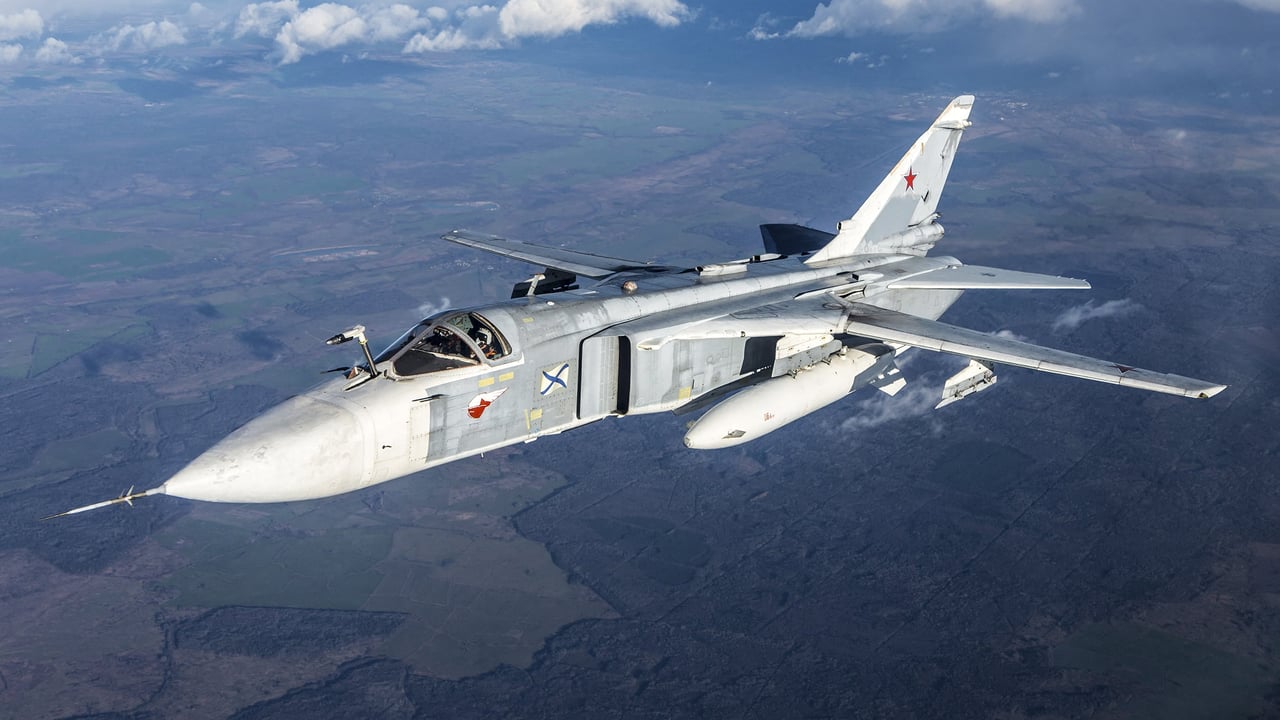

The Africa Corps, a Russian military unit operating in Mali, faces fresh allegations of deploying cluster munitions over civilian areas. Residents and local authorities report suspicious aerial activity followed by unexploded ordnance scattered across several villages.

Civilian areas targeted: disturbing patterns emerge
Witnesses describe a sequence of events that raises serious concerns. First, low-flying military aircraft are observed in restricted airspace. Moments later, residents report hearing explosions, followed by the discovery of small, unexploded devices resembling cluster munitions. The affected villages, located near conflict zones, have become flashpoints of concern.
Local reactions spark investigations
Community leaders demand urgent clarification from Malian authorities and the Africa Corps. Survivors describe the terrifying sound of aircraft overhead, followed by the chilling aftermath—scattered ordnance posing risks to children and livestock. Medical teams report treating injuries consistent with cluster munition fragments.
Russia’s Africa Corps under scrutiny
The Africa Corps, deployed in Mali as part of bilateral security agreements, has faced repeated accusations of indiscriminate tactics. While Moscow denies involvement in such operations, evidence collected on the ground contradicts these claims. Independent analysts highlight inconsistencies in official statements.
International law and cluster munitions
The alleged use of cluster bombs violates international conventions, including the Convention on Cluster Munitions, which Mali ratified in 2014. These weapons disperse multiple smaller bombs over wide areas, often failing to detonate immediately, leaving long-term hazards for civilians.
- Long-term civilian harm: Unexploded ordnance endangers lives for years after deployment.
- Global condemnation: Human rights organizations have repeatedly condemned cluster munition use in conflict zones.
- Accountability challenges: Proving direct responsibility in conflict environments remains difficult but critical.
Mali’s government responds cautiously
Malian officials acknowledge reports but refrain from direct accusations. A spokesperson stated that investigations are underway to verify the claims and determine the origin of the munitions. Meanwhile, humanitarian organizations call for immediate access to affected areas to assess damages and provide aid.
What happens next?
The unfolding situation in Mali underscores the urgent need for transparency. With lives at stake, both local communities and international observers demand answers. The Africa Corps’ presence, initially framed as a stabilizing force, now faces mounting questions about its conduct and compliance with international norms.



