
Senegal’s infrastructure crisis: Sonko warns of wasted billions
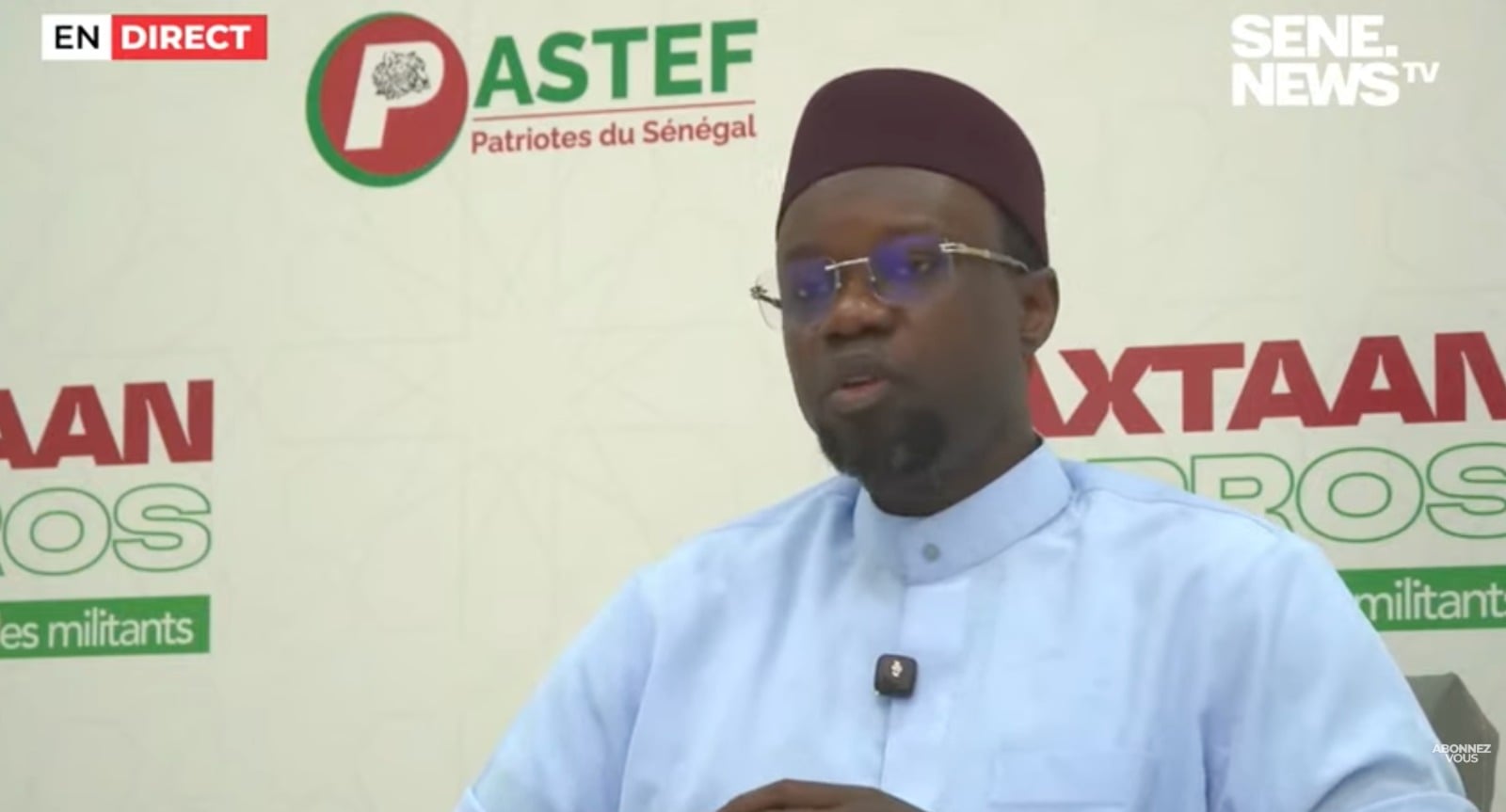
Prime Minister Ousmane Sonko has sounded the alarm over Senegal’s crumbling infrastructure sector, revealing staggering financial losses and systemic inefficiencies in public asset management. The findings from a comprehensive audit paint a troubling picture of stalled projects, underutilized facilities, and questionable land transactions.
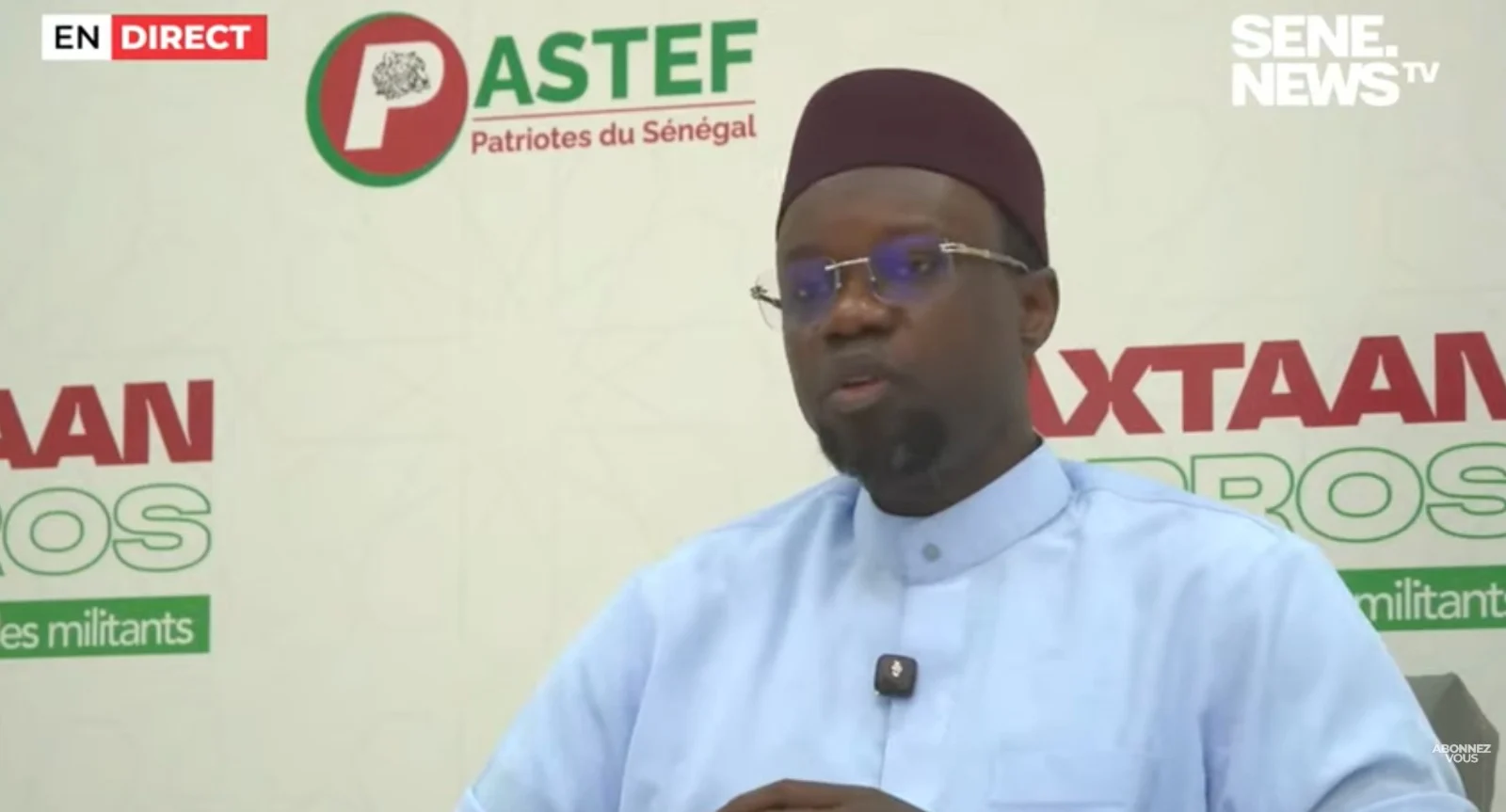
The Prime Minister convened an emergency inter-ministerial council yesterday to address the nation’s infrastructure woes, presenting an audit that uncovered 245 stalled, incomplete, or underutilized projects across Senegal. The total investment tied to these projects exceeds 5,000 billion FCfa—a figure nearly equivalent to the country’s annual budget.
Sonko described the findings as “beyond comprehension,” highlighting cases where completed projects remain idle while funds continue to be tied up. Among the most glaring examples are 30 fully constructed but non-operational facilities, including critical infrastructure like the Dakhonga Port and fishing quays, representing 279 billion FCfa in frozen investments.
Government inaction fuels public frustration
The audit also exposed systemic flaws in asset management, with 97 state-owned properties—primarily in Dakar—valued at 132 billion FCfa allegedly sold off improperly under previous administrations. Sonko cited cases where land parcels worth between 10 and 15 billion FCfa were transferred for less than 1 billion FCfa.
The Prime Minister reserved his harshest criticism for the judicial system, questioning why no legal action has been taken against officials implicated in financial mismanagement. “I sometimes wonder if it’s even worth continuing,” he remarked during the meeting, accusing unnamed magistrates of deliberately delaying sensitive cases. “These files belong to the Senegalese people, not the courts.”
New oversight measures announced
In response, Sonko announced the creation of a high-level monitoring committee under his direct supervision to track progress, assign accountability, and explore financing solutions. The government plans to leverage idle assets through public-private partnerships or financial tools like the Fonsis fund.
Eleven directives were issued to address bottlenecks, including:
- Mandatory completion audits: A full reassessment of all projects to determine which should be finished, repurposed, or decommissioned.
- Inclusive oversight body: A dedicated committee to ensure transparency and expedite legal proceedings.
- Technical safeguards: Future infrastructure projects must include provisions for utilities (water, electricity, telecommunications) and sustainable maintenance plans.
Sonko’s announcement follows mounting public pressure over unfulfilled promises in education, healthcare, and transportation sectors. While Justice Minister Yassine Fall pledged accountability, the Prime Minister made it clear that “the system remains intact“—a thinly veiled critique of institutional inertia.
The government now faces the dual challenge of recovering misused funds and restoring confidence in Senegal’s ability to manage its resources effectively.