
Mali’s government places bounties on top terrorist leaders
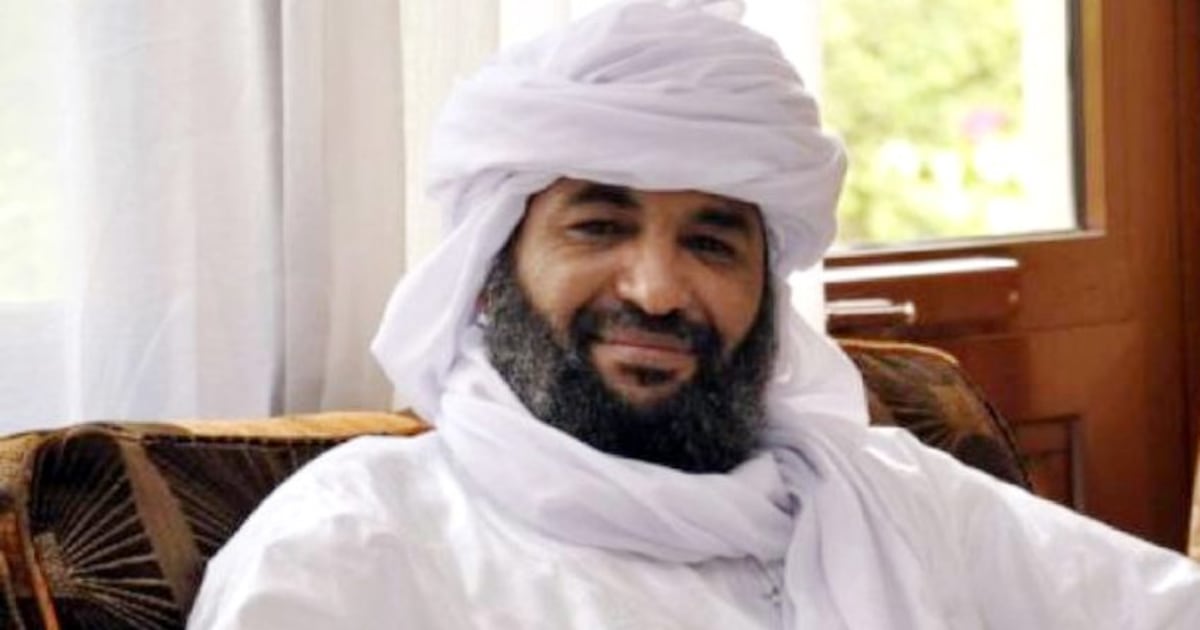
Iyad Ag Ghaly, once a prominent Tuareg insurgent and a former Malian diplomatic figure, now heads the formidable Group for the Support of Islam and Muslims (JNIM), a faction established in 2017.
He is currently considered the most sought-after individual across the Sahel region. Ag Ghaly is subject to United Nations sanctions, designated a ‘terrorist’ by the United States, and faces an arrest warrant from the International Criminal Court (ICC) for alleged war crimes and crimes against humanity.
Mali is grappling with a severe security crisis following unprecedented coordinated assaults on April 25 and 26. These attacks were reportedly carried out by JNIM jihadists, operating in alliance with the predominantly Tuareg Azawad Liberation Front (FLA) rebellion.
The large-scale offensives targeted strategic positions held by the ruling junta in Bamako across multiple regions of the country. Tragically, these attacks resulted in the death of Malian Defense Minister Sadio Camara, 47, a key pillar of the junta, who was killed in a suicide bombing.
In a statement broadcast on national television on Thursday, the government announced substantial rewards for information leading to the capture or neutralization of several high-profile figures. While details for Iyad Ag Ghaly were implicit, the announcement explicitly included six other key individuals, notably another JNIM commander, Amadou Kouffa, for whom a bounty of 2.2 million euros has been offered. Also targeted are two prominent FLA leaders, Alghabass Ag Intalla and Bilal Ag Cherif.
The Ministry of Security and Civil Protection declared that, as part of its intensified efforts against terrorism and to safeguard national security, it would provide financial compensation to anyone furnishing reliable, pertinent, and actionable intelligence that facilitates the arrest or neutralization of these named individuals.
The communiqué further specified that these individuals are actively pursued by relevant authorities due to their alleged involvement in the planning, organization, and execution of terrorist acts that have jeopardized the safety of citizens and their property within Mali’s national territory.
Since 2012, Mali has endured a profound and ongoing security crisis, fueled by the relentless violence perpetrated by groups such as JNIM, the Islamic State (EI), and various communal criminal organizations, a critical issue often highlighted in Sahel current affairs and Mali reporting.