
Sénégal: Mariama Sonko empowers rural women through agroecology
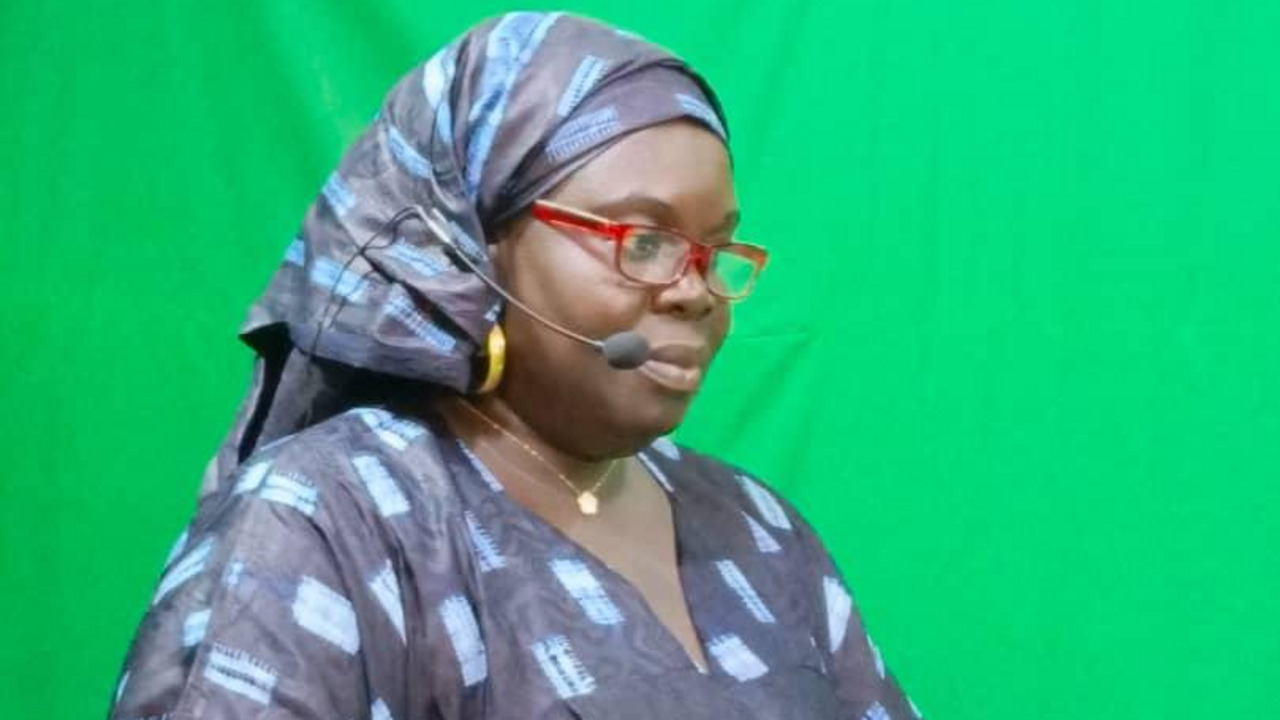
In the heart of Niaguis, a small town in Casamance, Mariama Sonko has spent over three decades championing women’s financial independence through agriculture and agroecology. Born into a farming family, she now leads Nous sommes la solution, a pan-African movement uniting more than 800 associations across eight West African nations.
Reclaiming agricultural sovereignty
Mariama Sonko’s mission is clear: achieving food sovereignty in Africa by empowering rural women and preserving local seed biodiversity. «Without organization and commitment, we risk becoming strangers in our own lands tomorrow, » she warns. «The work we do is about rebuilding seed capital, which is vital for African life and sovereignty. »
Growing up in a farming household, she witnessed firsthand the systemic barriers women face in land ownership, despite legal rights. «As a child, I saw the pressure on women, and it infuriated me, » she recalls. «We must change this narrative. »
Overcoming adversity
Her resolve was further tested when she lost her father. Left to care for her 10 siblings, her mother struggled to provide for the family. «At 19, I was forced to abandon my studies and marry, as my uncles believed a woman’s place was in the home, » she explains. «But I refused to surrender. »
With unwavering determination, Mariama secured a small plot of land with other women—only to face expulsion three years later. Undeterred, she fought for ownership, and a decade ago, she achieved her goal: a 3-hectare experimental farm near Ziguinchor. The land thrives without pesticides and relies solely on local seeds, employing 30 women. Today, over 100 women have personal bank accounts and are saving money. «From their earnings, they diversify into secondary activities to boost incomes, » she says proudly. «This is what gives me hope. »
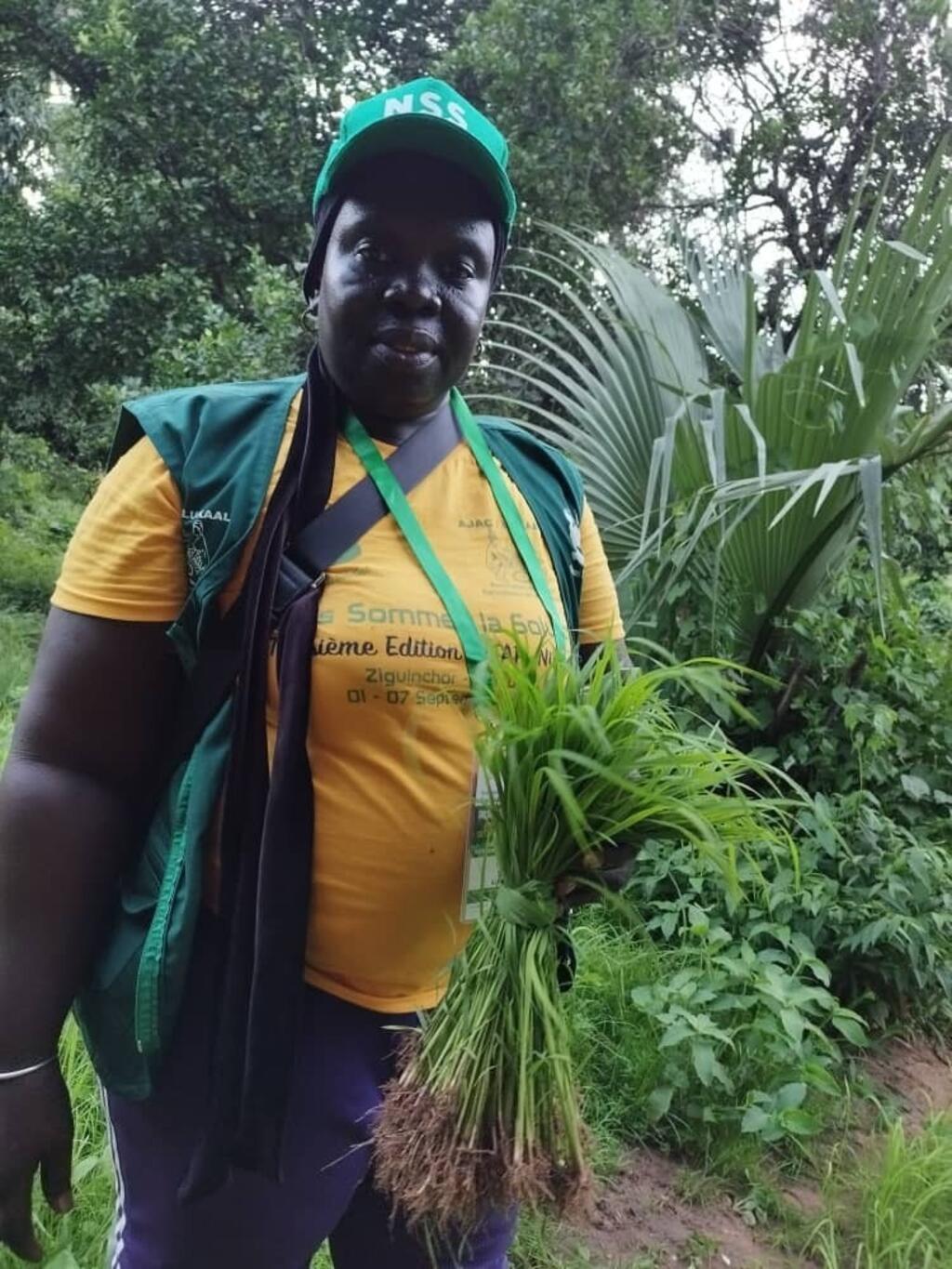
Transforming communities, one farm at a time
Today, Mariama travels across West Africa as an advocate for the Nous sommes la solution movement, which now includes 800 associations in 10 countries. Around 200,000 women, many of them illiterate, are part of this transformative effort. «Seeing their progress fills me with pride, » she says. «I am proud of every step they take toward reclaiming their dignity and autonomy. »
The movement’s core principles—agroecology and the protection of local seeds—are reshaping rural economies. By promoting sustainable farming practices and financial independence, women like Mariama are not only securing livelihoods but also strengthening food sovereignty across the region.