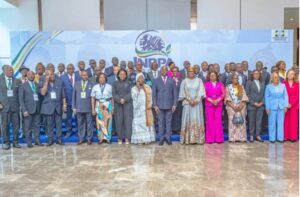

The granting of Béninois citizenship to 53 Afro-descendants on October 24, 2026, marks not just a symbolic gesture but a calculated economic gamble. While the move strengthens historical ties with the diaspora, its long-term success depends on transforming goodwill into tangible investments, tourism revenue, and knowledge transfers. For Western African nations like Bénin, this policy represents an attempt to harness diaspora capital in an era of global capital competition.
From symbolic citizenship to economic dividends
The Bénin government’s recognition of these 53 individuals—many with ancestral roots tied to the transatlantic slave trade—reflects a deliberate strategy to reconnect with Afro-descendant communities across the Americas, the Caribbean, and Europe. While the act carries profound cultural significance, its economic implications could reshape Bénin’s development trajectory if managed effectively.
Unlike previous naturalization programs, this initiative specifically targets professionals, entrepreneurs, and investors who possess financial resources, technical expertise, and global networks. The government’s challenge now lies in converting this legal recognition into sustainable economic gains that benefit both newcomers and local communities equally.
Diaspora capital: fueling growth in key sectors
The most immediate economic opportunity lies in diaspora investment. Afro-descendants settled in the United States, Canada, and Europe often possess capital, industry experience, and international business connections that Bénin currently lacks. Sectors poised for transformation include:
- Agriculture and agro-processing: Modernizing traditional farming methods and exporting high-value crops like cashews, cotton, and palm oil
- Renewable energy: Leveraging diaspora expertise in solar, wind, and biomass technologies to electrify rural areas
- Real estate and infrastructure: Developing commercial properties and hospitality facilities in Cotonou, Porto-Novo, and Ouidah
- Technology and digital services: Establishing tech hubs and fintech solutions to improve financial inclusion
For these investments to materialize, Bénin must prioritize regulatory clarity, transparent business policies, and incentives tailored to diaspora entrepreneurs—such as tax breaks for job-creating ventures or dual residency programs.
Tourism of memory: can heritage sites become economic assets?
Bénin’s historical sites—particularly in Ouidah, Abomey, and Porto-Novo—hold immense appeal for Afro-descendants seeking ancestral connections. The country’s museums, slave trade memorials, and Vodun cultural centers could become pillars of a tourism of memory that extends beyond traditional safaris or beach vacations.
Already, anecdotal evidence suggests a growing interest among Black American and Caribbean travelers to explore their roots in West Africa. However, capitalizing on this demand requires more than just preserving historical landmarks. Bénin must develop:
- Guided heritage tours linking slave trade sites to modern Vodun traditions
- Cultural festivals celebrating Afro-diasporic connections (e.g., annual