
In a stark reminder of the unraveling security situation in northern Mali, the discovery of 54 civilian bodies near the village of Tagadayat—just 35 kilometers southeast of Ménaka—has raised urgent questions about the state’s ability to protect vulnerable populations. This gruesome incident, attributed to armed jihadist groups, underscores a troubling pattern: despite military deployments and counterterrorism operations, civilians remain trapped in the crossfire of relentless violence.
Behind the massacre: examining the root causes of northern Mali’s insecurity
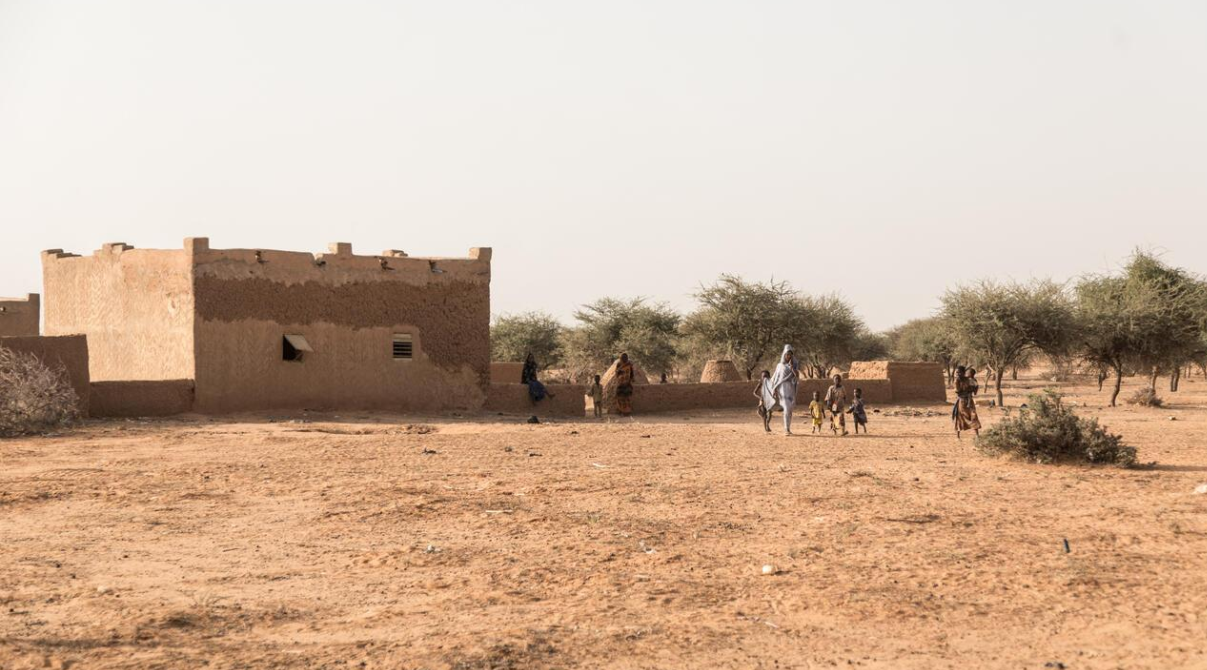
The village of Tagadayat, like many remote settlements in the Ménaka region, has long suffered from the state’s limited reach. Years of armed conflict, dwindling public services, and the absence of effective early warning systems have left communities exposed to targeted attacks. The massacre, which unfolded in a series of coordinated assaults, reveals deeper structural weaknesses: the inability to monitor high-risk zones, the failure to disrupt militant movements, and the lack of rapid response mechanisms that could save lives before it’s too late.
These failures are not isolated incidents but part of a broader erosion of state authority in northern Mali. While military operations may temporarily secure certain areas, they often fail to address the underlying conditions that allow armed groups to operate with impunity. The absence of sustained policing, intelligence gaps, and the physical isolation of vulnerable villages create an environment where massacres like Tagadayat become tragically predictable.
Why Tagadayat is a symptom of a larger security void
The tragedy at Tagadayat is more than a grim statistic—it is a reflection of the daily struggles faced by civilians in Mali’s northern territories. The region’s remote locations, combined with the absence of reliable transportation and communication networks, hinder both civilian evacuation and emergency response. In such conditions, early warnings are rare, and the opportunity to flee becomes a luxury that few can afford.
The massacre has also exposed the limitations of Mali’s security strategy, which has prioritized large-scale military operations over localized, community-based protection. While troops may be deployed in strategic areas, the lack of consistent patrols, intelligence-sharing networks, and cooperation with local leaders leaves gaps that armed groups exploit. The result is a patchwork of security where some regions remain dangerously unprotected.
The human cost: lives lost and communities shattered
The 54 victims—men, women, and children—were not just numbers in a grim report. They represented families, livelihoods, and hopes for a future in their villages. For those who survived, the psychological and economic toll is immeasurable. Farmers fear venturing into their fields. Traders avoid local markets. Children no longer attend school out of fear of ambushes. The massacre at Tagadayat did more than claim lives—it shattered the fragile threads of stability that communities had clung to.
Can Mali’s government close the security gap?
The Tagadayat massacre has forced authorities to confront a harsh reality: military might alone cannot restore trust or ensure safety. To protect civilians effectively, the state must adopt a multi-layered approach that includes:
- Enhanced intelligence and surveillance: Deploying drones, satellite monitoring, and community-based informants to detect threats before they materialize.
- Rapid response units: Establishing specialized forces trained to intervene within hours of an attack, rather than days.
- Local engagement: Partnering with village leaders and self-defense groups to create early warning networks and improve mutual trust.
- Humanitarian access: Guaranteeing safe passage for aid workers to deliver critical supplies to isolated communities.
- Accountability: Investigating the massacre thoroughly and bringing those responsible to justice to deter future violence.
The challenge for Mali’s government is not just to react to atrocities but to prevent them. This requires a shift from reactive operations to proactive security strategies that prioritize civilian protection at every level.
What’s next for northern Mali’s fragile stability?
The discovery of 54 bodies at Tagadayat is a turning point that forces officials to rethink their approach. Yet, the path to lasting security remains fraught with obstacles. Without addressing the root causes of instability—weak governance, economic despair, and the unchecked influence of armed groups—Mali risks sinking deeper into a cycle of violence.
For the international community, the message is clear: supporting Mali’s security apparatus is not enough. Sustainable peace will require investment in local institutions, economic development, and a commitment to justice. Only then can the cycle of massacres and displacement finally be broken.
The people of Tagadayat deserve more than condolences—they deserve a government that can protect them. The question now is whether such protection will materialize before the next tragedy strikes.