
The secret forces that reshaped Brazil’s presidential race
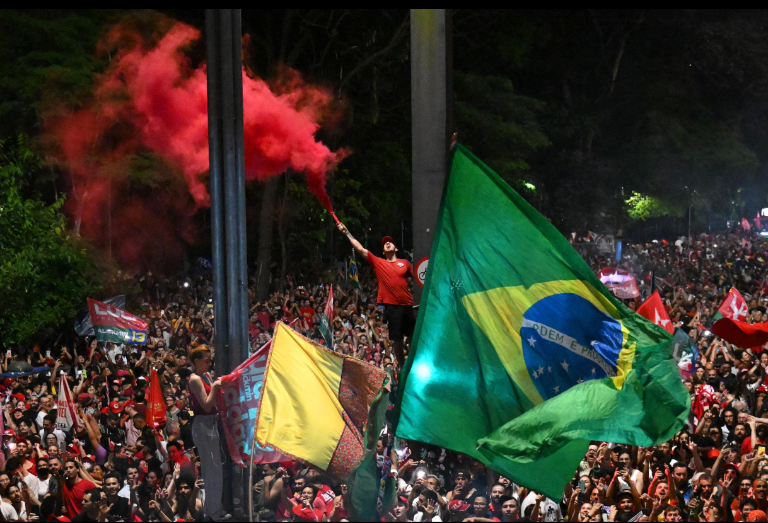
Luiz Inácio Lula da Silva’s fourth-term victory—secured with 51.79% of the vote—wasn’t just a triumph of numbers. Behind the 4.4 million-vote margin lay a storm of procedural decisions that Flávio Bolsonaro’s camp now calls the election’s undoing. Just hours after polls closed, the right-wing senator announced an aggressive legal challenge, alleging the election’s integrity had been compromised by last-minute rule changes that unfairly benefited his rival.
Why a judge’s midnight call altered the electoral landscape
The flashpoint came on election day itself. Brazil’s Supreme Court Justice Cristiano Zanin extended voting hours to 7 p.m. local time in response to logistical crises in states like Bahia and São Paulo—where flooded roads and transport breakdowns threatened voter access. What seemed like a practical solution, however, became the core argument in Bolsonaro’s appeal.
Critics argue the extension disrupted equal voting conditions across districts. Some polling stations had already closed by the time the order was issued, creating a two-tiered system where some voters gained extra time while others did not. Flávio Bolsonaro framed it as institutional overreach: « A process this uneven cannot be considered fair, » he declared. Yet records show his own campaign had earlier requested delays due to flooding in southern Brazil—raising questions about whether both sides contributed to the chaos.
A victory built on shifting sands
Lula’s path to victory was anything but predictable. Though Flávio Bolsonaro led after the first round, the leftist incumbent clawed back during the campaign’s final stretch. By pivoting to social welfare messaging and claims of poverty reduction, Lula mobilised an electorate weary of economic instability. His ability to flip the narrative in just three weeks underscored the volatility of a campaign where every procedural twist held the power to swing outcomes.
The Bolsonaro legacy casts a shadow over democracy
The election’s aftershocks aren’t just about vote counts—they’re about institutional trust. Flávio Bolsonaro’s refusal to concede revives memories of his father’s turbulent legacy: Jair Bolsonaro, the former president recently sentenced to 27 years for his role in a coup attempt. The younger Bolsonaro’s legal gambit mirrors a pattern of challenging electoral results, raising alarms about Brazil’s democratic resilience.
While the Superior Electoral Court has certified Lula’s win, the bitter contest underscores a nation split between two irreconcilable visions: one rooted in social programs and inequality reduction, the other in conservative values, security, and hardline governance. With Congress leaning conservative, Lula faces not just governance challenges—but the specter of perpetual political warfare.
What happens next: legal battles and a fractured nation
Bolsonaro’s team has vowed to exhaust all judicial avenues, from contesting specific polling stations to challenging the validity of the entire vote. Yet legal experts note a high bar for overturning results: Brazil’s electoral courts have historically upheld victories even in closely contested races. The real battle may unfold outside courtrooms—in public opinion, media narratives, and the fragile trust between citizens and institutions.
For Lula, the mandate is clear but daunting. « The people have spoken, » he stated after polls closed. Yet with nearly half the electorate rejecting his leadership, governing calls for more than rhetoric—it demands bridge-building in a country where every decision is scrutinised through the lens of past grievances. Whether Brazil’s institutions can weather this test may define its democracy for years to come.