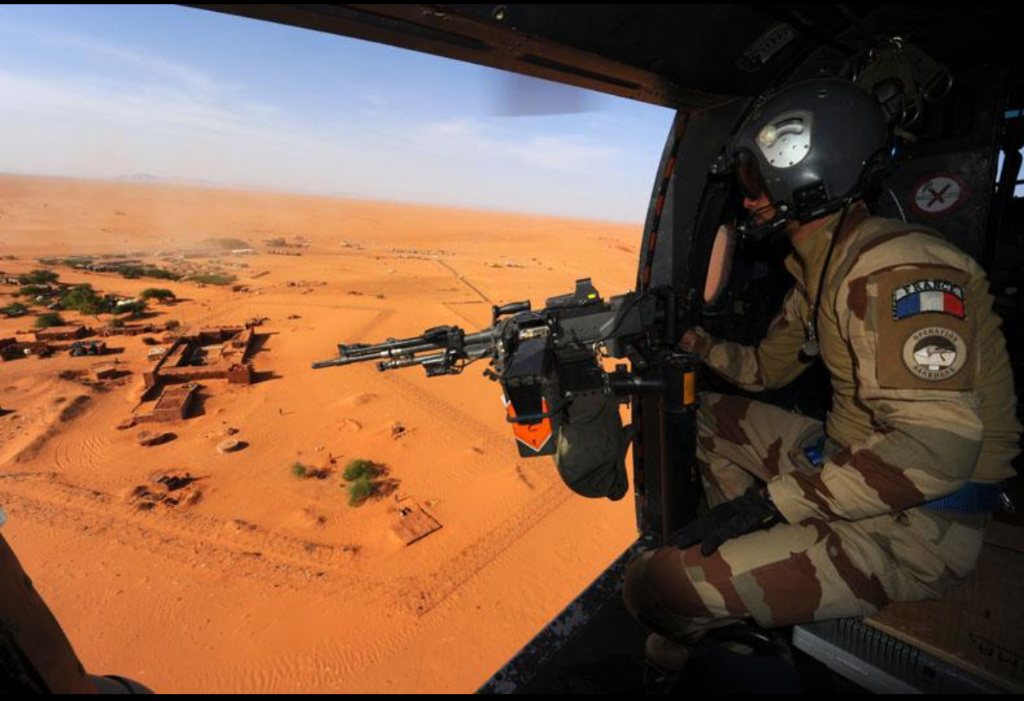

The Hidden Mechanisms Behind Niger’s Foreign Military Presence
When Algeria’s parliament greenlit the deployment of its military to Niger on October 25, 2026, it sparked a critical debate in Niamey. The move—aimed at bolstering security and protecting strategic interests—raises a fundamental question: Did Niger’s authorities follow the constitutional mandate outlined in the Refoundation Charter before welcoming foreign troops?
The answer isn’t just procedural; it cuts to the heart of Niger’s sovereignty, democracy, and long-term strategic autonomy. With Algeria’s troops poised to establish a presence near the Libyan border, the lack of transparency surrounding the decision has left citizens and analysts alike searching for clarity. Behind the scenes, legal and political dynamics are at play, revealing how even well-intentioned military cooperation can clash with the nation’s foundational principles.
What the Refoundation Charter Actually Says
Enacted on March 26, 2025, Niger’s Refoundation Charter serves as the guiding framework for the country’s governance during its transitional period. Among its most consequential provisions is Article 45, which governs the presence of foreign military forces on Nigerien soil.
Under normal circumstances, any foreign troop deployment must be approved by a referendum, reflecting the will of the sovereign people. The charter grants the president—also the commander-in-chief—authority to permit foreign forces only after securing this popular mandate. However, an exception exists: in cases of proven urgency, the president may issue a decree authorizing temporary deployment, but only after consulting the Refoundation Advisory Council. Even then, the authorization is strictly time-bound to the duration necessary to stabilize the crisis at hand.
This dual-track system—referendum for permanent arrangements versus emergency decrees for crises—is designed to balance national security with democratic legitimacy. But which path did Niger’s leaders take in the case of Algeria’s military units? The public record offers no definitive answer.
Has a Referendum Been Held—or Was It an Emergency?
As of now, no official announcement confirms whether Niger’s government held a referendum specifically on Algeria’s troop presence. Equally unclear is whether the president invoked the emergency clause by issuing a decree after consulting the Advisory Council. The absence of such clarity is not, in itself, proof of a violation—yet it underscores a glaring need for transparency.
The approval by Algeria’s parliament satisfies Algiers’ internal legal requirements but does not absolve Niamey of its own constitutional obligations. The Refoundation Charter applies to Niger’s territory, its people, and its institutions. When foreign troops enter Niger, it is Niger’s laws that must govern their presence—not the decisions of a neighboring state’s legislature.
Why the Charter’s Procedures Matter for Sovereignty
Sovereignty, in Niger’s post-2023 transition, is not merely about controlling land or borders. It encompasses institutional integrity—the principle that power must be exercised in strict accordance with the nation’s foundational documents. General Abdourahamane Tiani’s transitional government has elevated the Refoundation Charter to near-constitutional status, making adherence to its provisions a litmus test for legitimacy.
Oversight bodies, civil society, and the broader public are justified in asking: Why would authorities bypass a referendum—unless urgent national security concerns made it unavoidable? And if urgency was invoked, what specific threat justified sidestepping democratic consultation?
The Risks of Ambiguity in Military Alliances
The stakes go beyond legal technicalities. An unclear or inadequately justified deployment can erode trust in both domestic and international partners. Consider these potential consequences:
- Strategic dependency: Reliance on foreign troops for core security functions risks weakening Niger’s long-term defense capabilities. A partnership should empower, not replace, national institutions.
- Misaligned priorities: Military cooperation often serves multiple goals—civilian protection, infrastructure defense, economic interest safeguarding. Without transparent objectives, citizens cannot hold their leaders accountable.
- Mission creep: Limited deployments can expand unpredictably under pressure. Without clear mandates and oversight, initial objectives may morph into broader engagements, leaving Niger with unforeseen obligations.
In a climate where national sovereignty dominates public discourse, ambiguous agreements fuel doubts—about motives, about accountability, and about whether the people’s interests truly drive policy.
The Path Forward: Clarity and Accountability
Niger’s government must resolve the ambiguity surrounding Algeria’s troop deployment without delay. Officials should disclose whether a referendum was held or if, alternatively, an emergency decree was issued under Article 45’s strict conditions. Such clarification would:
- Reaffirm the government’s commitment to constitutional principles.
- Reassure citizens that their voice matters in decisions affecting their security.
- Prevent long-term strategic missteps by ensuring cooperation remains balanced and transparent.
Even in urgent situations, the Refoundation Charter requires more than silent approval. The Advisory Council’s consultation, the president’s decree, and the temporary scope of authorization must all be documented and justified. Secrecy, not urgency, is the real threat to legitimacy.
Beyond the Debate: What Citizens Deserve to Know
Niger faces real security threats, and cooperation with regional partners like Algeria may be necessary. But necessity does not negate accountability. The people of Niger are entitled to know the terms of any military agreement that implicates their safety and sovereignty. They deserve to understand:
- Was a referendum conducted, and if not, why?
- If an emergency decree was issued, what specific crisis triggered it and for what duration?
- What limitations govern the scope of Algeria’s military role?
- How will Niger maintain control over its own security architecture?
The Refoundation Charter is not an obstacle to effective governance—it is the foundation of it. To ignore its provisions, whether out of haste or oversight, risks undermining not just one agreement, but the very credibility of the transition itself.