
Mali’s counterterrorism strategy: how civilian casualties fuel insurgency instead of quelling it
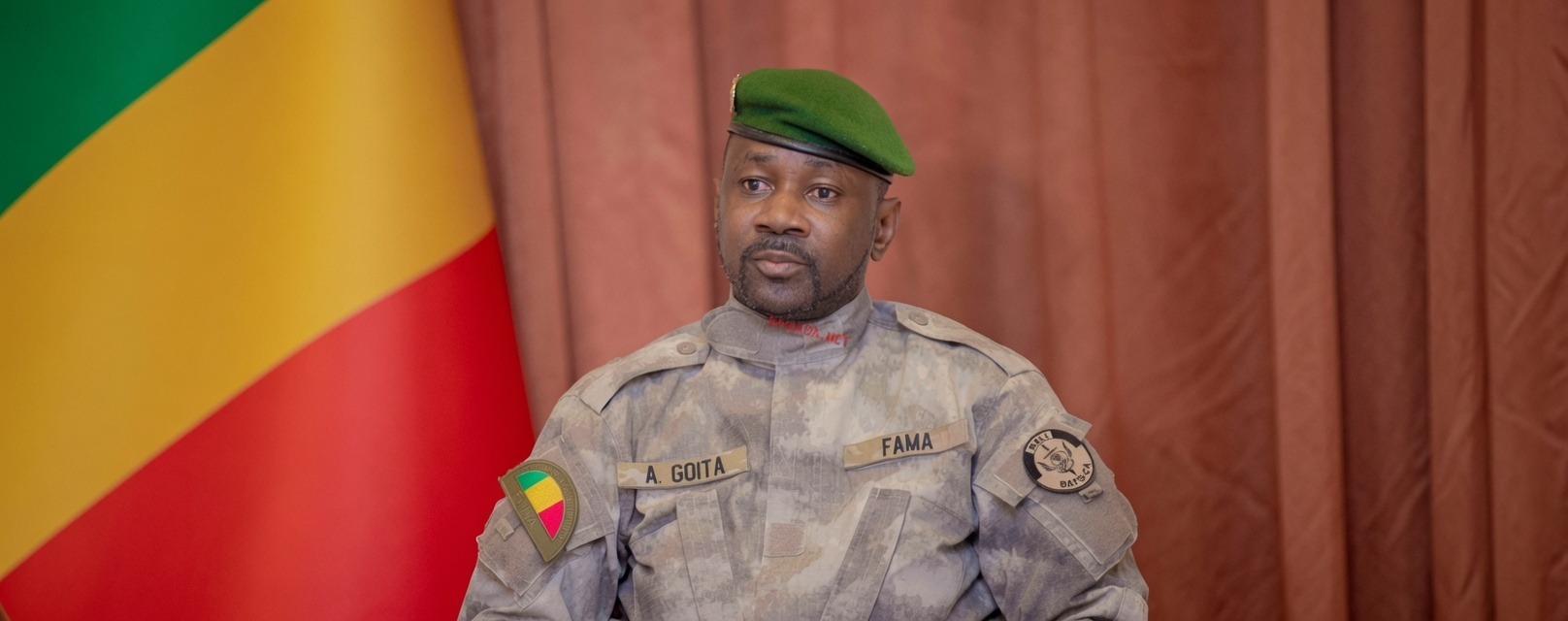
The promise of Mali’s military transition was simple: reclaim control. Yet beneath the bold declarations and rhetoric of restored sovereignty lies a grim reality. As government forces and Russian-affiliated Africa Corps militias pursue armed groups with indiscriminate force, international humanitarian law is being systematically violated—not as collateral damage, but as operational strategy. The result is a daily nightmare for ordinary Malians caught in the crossfire.
The legal fiction of compliance
Mali’s obligations under international law are well-established. The country ratified the Geneva Conventions in 1965 and the Additional Protocols in 1989, both of which explicitly require the protection of civilians in armed conflict. Distinguishing between combatants and non-combatants, prohibiting torture, and treating detainees humanely are not suggestions—they are legal imperatives. Training programs within the Malian armed forces have, at times, even included modules on conflict law.
But official doctrine and battlefield reality have diverged sharply. What began as isolated incidents have evolved into a systematic pattern: brutality replacing strategy, with civilians bearing the brunt of the cost.
A human rights reckoning written in blood
The evidence is overwhelming. International human rights organizations have documented a staggering pattern of abuses—summary executions, mass looting, and entire villages torched in the central and northern regions. These are not isolated errors; they reflect a deliberate approach to counterinsurgency that treats human life as expendable.
Amnesty International and Human Rights Watch have repeatedly highlighted the direct involvement of state forces and their allied mercenaries in what constitute war crimes. Arbitrary killings, torture methods such as waterboarding and electric shocks, and forced disappearances have become recurring features of life in conflict zones. Among the most affected are Fulani communities, trapped between the violence of jihadist groups and the indiscriminate repression of the state.
The silence after MINUSMA’s departure
The decision to expel the UN peacekeeping mission (MINUSMA) at the end of 2023 was framed as an assertion of sovereignty. In reality, it was a calculated move to extinguish scrutiny. By removing international observers, the junta ensured that no one would witness the unfolding atrocities firsthand.
Remote monitoring by NGOs has proven critical, yet it cannot replace on-the-ground accountability. The alarming spike in documented violations in the months following MINUSMA’s exit confirms what many feared: without oversight, impunity flourishes. The message to commanders on the ground is clear—there will be no consequences for breaking the most basic rules of war.
Diplomatic paralysis and vanishing justice
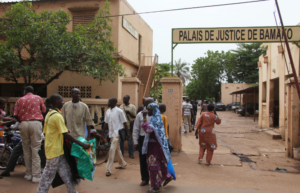
The avenues for justice are rapidly closing. The International Criminal Court’s withdrawal from Mali, coupled with a judiciary under political control, has removed any meaningful legal deterrent. Regional bodies have also failed to act. The African Union’s responses remain cautious and non-committal, while the Economic Community of West African States (ECOWAS) has focused narrowly on constitutional order rather than the humanitarian crisis unfolding within Mali’s borders.
When a government prioritizes military victory over legal obligations, it undermines its own legitimacy. The current strategy does more than fail—it actively fuels the insurgency it claims to suppress. Resentment toward state forces is growing, and with it, the ranks of armed groups swell.
Why the junta’s gamble is backfiring
The military leadership seems to believe that crushing dissent through fear will secure the nation. Instead, it is eroding trust in the state itself. A government that routinely sacrifices its citizens cannot credibly claim to protect them.
As former allies turn to armed resistance and civilian communities shelter militants for survival, the junta’s heavy-handed approach is not strengthening security—it is deepening the crisis. The more civilians are targeted, the more the insurgency gains ground. The cycle of violence does not end with a battlefield victory; it ends when the state regains moral authority—and that authority is being lost every day.
Civilian lives: the uncounted cost of Mali’s war
- Disproportionate force: Entire villages burned under the guise of fighting militants
- Systematic torture: Reports of electric shocks and waterboarding used as interrogation tools
- Forced disappearances: Hundreds of civilians vanished after military raids
- Humanitarian blackout: No independent observers remain to document abuses
- Rising extremism: Each civilian casualty becomes a recruitment tool for militant groups