
Behind the public denials: what’s driving Chad’s firm stance on Niger strike allegations
When nations face accusations of military aggression, the push for transparency often reveals deeper security concerns. In the case of Chad’s vehement denial of Niger strike allegations, the government is not only rejecting claims of involvement—it is exposing a long-standing security narrative that has shaped regional diplomacy for years. The refusal to accept unproven accusations is not merely a matter of national pride; it reflects N’Djamena’s insistence on factual accountability in an era where unverified information can escalate tensions.
From denial to demand: Chad’s call for concrete evidence
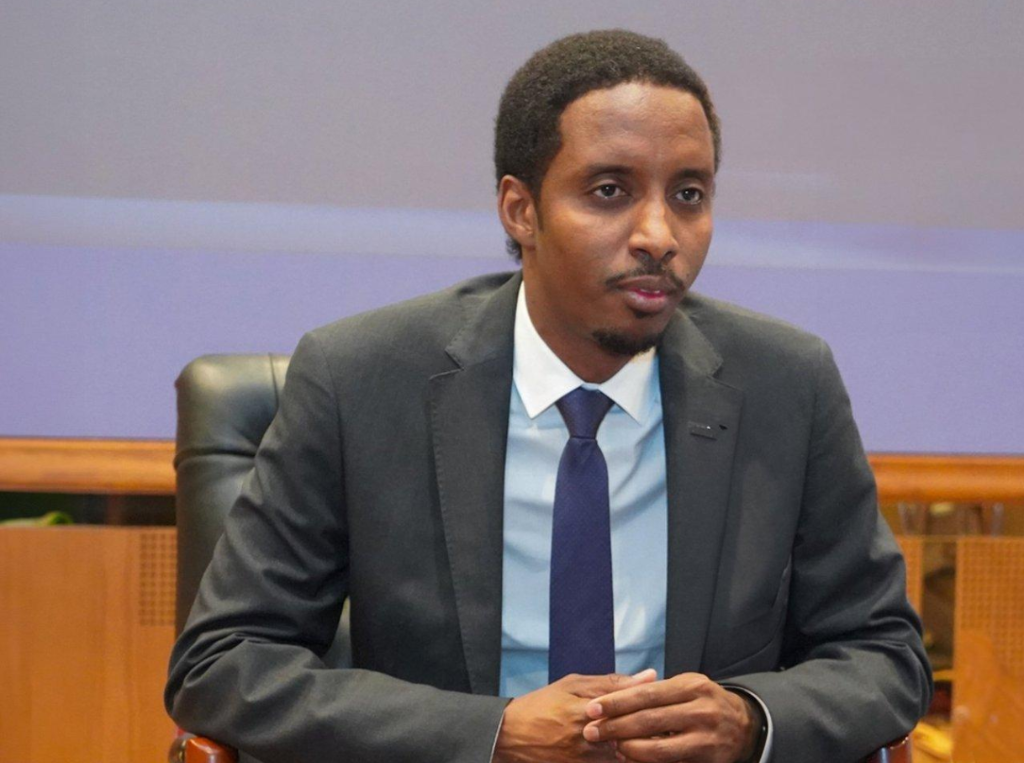
The Chadian government, through its spokesperson and minister Gassim Chérif Mahamat, has made one thing crystal clear: there is no truth to the allegations that Chad carried out, supported, or participated in any strike against Niger. The response has been categorical, leaving no room for ambiguity in official statements. Yet, the government goes further than simply denying the claims—it is demanding that Niger provide tangible, verifiable proof to substantiate its accusations.
In a statement that underscores the gravity of the matter, N’Djamena argues that public declarations alone cannot establish the responsibility of a state in a presumed military operation. The demand for evidence is not just procedural; it is a strategic move to shift the narrative from speculation to scrutiny, forcing a conversation based on facts rather than allegations.
Why transparency matters in regional security disputes
For Chad, the insistence on verifiable proof is tied to a broader concern: the absence of concrete details in the accusations leaves the international community—and both nations—unable to assess their credibility. When allegations emerge without supporting evidence, they risk fueling tensions rather than resolving them. By calling for the publication of material and technical elements cited by Niger, Chad aims to bring clarity to a situation that could otherwise spiral into diplomatic conflict.
This approach is not just about refuting claims—it is about setting a precedent for how security disputes should be handled in the Sahel. In a region where cross-border threats and militant movements are persistent challenges, unproven accusations can erode trust between neighbors. Chad’s demand for evidence is, in essence, a plea for accountability in an environment where misinformation can have real-world consequences.
The unspoken security dilemma: rebelling groups and cross-border threats
Buried within Chad’s denial of the strike allegations is a long-standing grievance that has simmered beneath the surface of bilateral relations: the presence of armed Chadian rebel groups operating from Nigerien territory. For years, N’Djamena has warned Niamey about this issue, arguing that these groups pose a direct threat to Chad’s stability. According to officials, these concerns were repeatedly communicated to Nigerien authorities over the past four years, yet the response has been insufficient in addressing the problem.
By bringing this issue to the forefront, Chad is reframing the current dispute within a larger context of security cooperation—or the lack thereof. The government’s insistence on addressing rebel movements is not merely a distraction from the strike allegations; it is a reminder that unresolved security challenges can undermine even the most robust diplomatic relations. In highlighting this concern, N’Djamena is essentially saying: the allegations of a strike are just one symptom of a broader, unresolved security crisis.
Can unverified claims derail years of bilateral relations?
The danger of unproven accusations in regional diplomacy cannot be overstated. When two neighboring countries level serious military claims against each other without substantiating them, the impact extends beyond headlines. It can strain trust, disrupt cooperation, and leave both governments scrambling to contain the fallout. For Chad, the priority is clear: avoid a situation where diplomacy deteriorates into a war of words without a foundation in fact.
The government’s strategy is twofold: deny the allegations outright while simultaneously challenging Niger to back up its claims with evidence. This dual approach serves a dual purpose—it protects Chad’s reputation while also forcing a conversation about the standards of proof required in security disputes. Whether this will lead to a constructive dialogue or further acrimony remains to be seen, but one thing is certain: the absence of transparency benefits no one.
What’s next? The path to resolution or escalation
The ball is now in Niger’s court. Chad has set a firm condition: no accountability without proof. If Niger fails to provide verifiable evidence, the allegations risk losing credibility, leaving a cloud of uncertainty over the incident. Conversely, if concrete proof emerges, the dynamics of the dispute could shift dramatically, forcing both nations to confront uncomfortable truths about their shared security challenges.
Either way, the episode serves as a case study in how unverified claims can escalate tensions in fragile regions. For Chad, the message is unambiguous: the era of accepting accusations without scrutiny is over. Whether this approach will prevent further deterioration in relations—or instead prompt a deeper crisis—will depend on the next moves by both governments. What remains clear is that in the Sahel, where security threats loom large, facts are the only currency that can prevent conflict from spiraling out of control.