
The Unraveling Of A Once-Powerful Voice
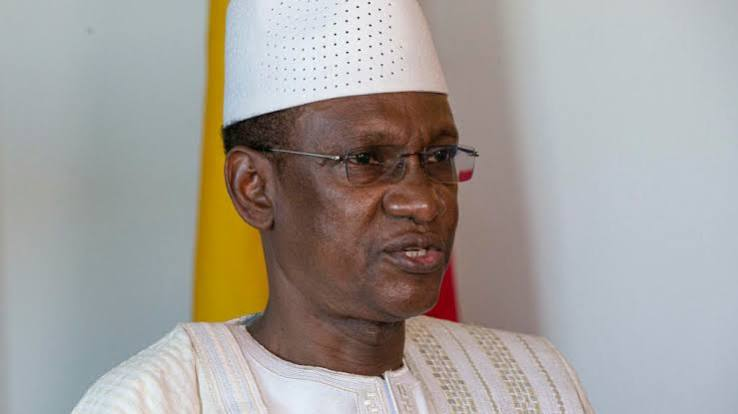
More than 14 months in provisional detention. That’s the astonishing milestone reached by Choguel Kokalla Maïga—a man who once shaped Mali’s political narrative with fiery speeches, radical ideology, and unyielding loyalty to the military leadership. The record-length detention without a final verdict isn’t just a legal anomaly; it’s a stark reflection of how the transition’s so-called justice system has been weaponized to silence dissent, even from within the regime’s own ranks.
From Global Stage To Isolation Cell
Once Mali’s most outspoken advocate on the international stage, Choguel Maïga was the architect of the junta’s ideological framework. He stood before the United Nations, defending « regained sovereignty » and justifying the military’s strategic shifts. His role wasn’t merely political—it was foundational. He bridged the civil-military divide, giving the transition its ideological backbone and public legitimacy. But when cracks appeared in his once-ironclad support for the junta’s direction, the system turned on him. The abrupt revocation of his influence and his subsequent detention weren’t just punitive measures; they were a warning.
A Justice System Rewritten As A Tool Of Control
The 440-day detention without trial reveals a chilling pattern in Mali’s current governance. What was once hailed as a break from decades of impunity now operates with the same arbitrariness it claimed to dismantle. The judiciary, instead of upholding fairness, has become an extension of political strategy—prolonged detention as a means of neutralization. Three harsh realities emerge from this case:
- The paradox of institutional reform: Official rhetoric champions democratic renewal and the end of political persecution, yet systemic delays and indefinite detentions expose a legal framework that serves elite interests, not justice.
- The architect’s undoing: Maïga’s downfall is a tragic irony—the very mechanisms he helped establish now consume him. The security and judicial apparatus he championed now operates with a ruthless efficiency against those who step out of line.
- A message etched in silence: His prolonged incarceration sends a clear signal to Mali’s political class: loyalty has a shelf life. No past service grants immunity if disagreement dare surface.
Silencing The Past To Control The Future
The prolonged detention of a former prime minister isn’t just a personal tragedy—it’s a political statement. By keeping Maïga behind bars, the military-led government signals a definitive end to civilian ambitions within the transition. But this strategy of suppression comes at a cost: it reveals a regime terrified of public debate, clinging to absolute control through silence rather than engagement. In locking away one of its architects, the junta isn’t just erasing a critic—it’s consuming its own past to feed its uncertain future.
440 Days That Reveal A Power In Crisis
This isn’t just the story of a fallen leader. It’s the symptom of a system in perpetual purge mode, devouring its founders to maintain a fragile illusion of unity. The longer the detention drags on, the clearer it becomes: Mali’s transition isn’t evolving—it’s unraveling. And the empty chair in the council room may soon stand as a symbol of what the country has lost: not just a voice, but a shared vision for the future.