
The world is quietly bracing for an era where geopolitical flashpoints aren’t just distant headlines—they’re direct threats to your kitchen, your gas tank, and your power lines. What started as scattered advice to stockpile food and water has evolved into a coordinated strategy, with governments from Europe to the Middle East mandating that citizens prepare for disruptions that could last days or weeks.
This shift isn’t driven by speculation. Behind closed-door briefings, intelligence agencies warn that modern conflicts don’t follow traditional rules. Cyberattacks cripple hospitals while sanctions rupture supply chains. Sabotage of critical infrastructure no longer requires boots on the ground—just a few keystrokes or a carefully placed explosive. The message is clear: the next crisis might not arrive with a declaration of war, but with a blackout.
Europe’s unspoken calculus: preparing for the unthinkable
When the UK government rolled out its 72-hour emergency guidance last year, it framed the advice around natural disasters and power outages. But the fine print tells another story. Military planners in Brussels and Helsinki aren’t just worried about storms or aging grids—they’re modeling scenarios where entire cities go dark because someone turned off the switch on purpose.
Finland’s decision to triple its national grain reserve isn’t about feeding livestock. It’s about buying time. In a region where Russia’s hybrid tactics have already targeted energy grids and submarine cables, authorities are calculating: how long can hospitals operate on backup generators? How quickly can supply chains rebuild if key ports are shut down?
The Baltic states, Poland, and Sweden aren’t just stockpiling for a potential Russian offensive. They’re hedging against a future where Moscow tests NATO’s resolve through cyberattacks, disinformation campaigns, or localized sabotage—actions that fall short of triggering Article 5 but still inflict real suffering on civilian populations.
The Russian question: testing the alliance’s nerves
Western intelligence reports reveal a pattern of provocations designed not to conquer territory, but to probe weaknesses. In 2025, a wave of unexplained power failures hit key infrastructure in three EU countries within weeks. Investigations pointed to coordinated cyber intrusions, but attribution remained murky. The goal? To see whether the alliance would respond with unity—or hesitate.
Officials caution that these operations aren’t precursors to all-out war. But they do expose a vulnerability no government can ignore: what happens when the first domino falls? A single substation explosion could trigger a cascade of fuel shortages, food price spikes, and public panic. That’s why civil defense isn’t just about bunkers anymore—it’s about resilience.
Middle East volatility: when energy arteries become battlegrounds
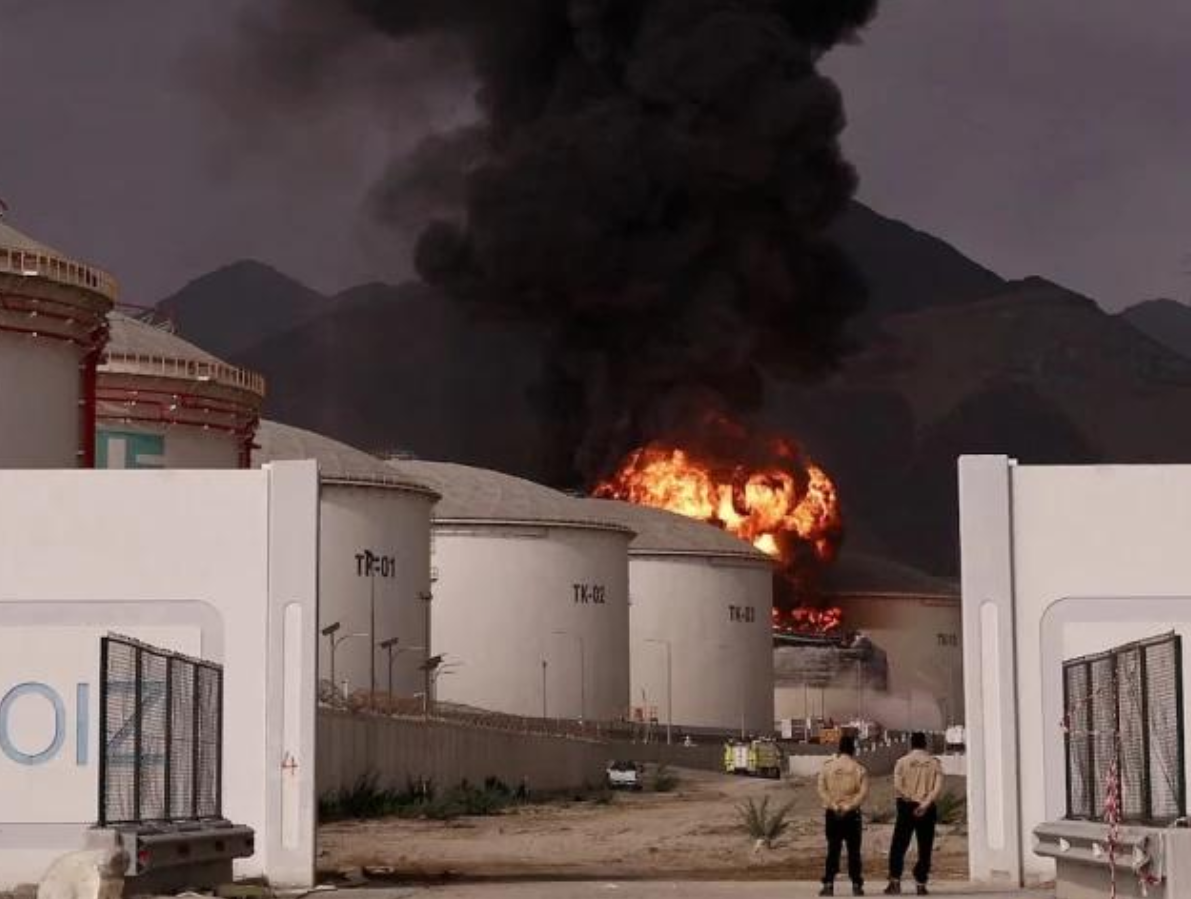
The Strait of Hormuz isn’t just a shipping lane—it’s the world’s most critical chokepoint. When drones struck Gulf oil facilities in 2026, the fallout wasn’t confined to geopolitical hotspots. Global oil prices surged 40% within days, triggering fuel rationing in Europe and rolling blackouts in parts of Asia.
Countries like the UAE and Saudi Arabia responded by accelerating civilian stockpiling programs. But the lesson goes beyond fuel. A single cyberattack on a port’s container management system could strand billions in goods. A localized missile strike on a desalination plant could leave thousands without water for months. In this landscape, the advice to keep three days of supplies isn’t alarmist—it’s arithmetic.
The Iran calculation: more than just a regional player
Tehran’s retaliatory strikes in 2026 weren’t aimed at defeating Israel or the U.S. They targeted symbols of economic leverage: oil refineries, shipping lanes, and financial hubs. The message was unmistakable—interrupting the flow of commerce is a weapon in itself.
For Gulf states, the takeaway is simple: resilience isn’t optional. When your economy runs on energy exports, the first line of defense is a warehouse full of generators, canned goods, and first-aid kits. The second line? Knowing exactly where that warehouse is located when the lights go out.
Asia’s silent fuse: when alliances shift behind the scenes
The reopening of the China-North Korea bridge in October 2026 wasn’t just infrastructure—it was a geopolitical signal. Beijing’s growing tolerance for Pyongyang’s military provocations suggests a shared calculus: when the global order fractures, two isolated regimes can become one crisis amplifier.
Add to this North Korea’s deepening ties with Moscow, and the math becomes stark. A simultaneous conflict on the Korean Peninsula and in Eastern Europe might seem far-fetched, but governments aren’t gambling on improbability. They’re calculating how many crises their systems can absorb before straining.
Practical steps or panic-driven policy? Separating reality from rhetoric
Critics argue that stockpiling advice is overblown—after all, most emergencies resolve within hours or days. But the data tells a different story. In 2025, a cyber incident at a major European energy provider left 1.2 million households without power for over a week. The disruption triggered food shortages in rural areas within 48 hours. When critical systems fail, redundancy isn’t paranoia—it’s survival.
NATO’s updated resilience guidelines for 2026 make this explicit: societies must prepare for multi-week disruptions, not just 72 hours. The emphasis has shifted from civil defense to civil endurance—the ability of a community to function when its lifelines are cut.
What does this mean for you?
The rise of emergency preparedness isn’t about fear. It’s about strategic foresight. Governments aren’t asking citizens to live like preppers—they’re asking for basic contingency planning:
- Keep at least three days of non-perishable food and one gallon of water per person per day
- Maintain a first-aid kit with prescription medications and a manual can opener
- Store copies of essential documents (IDs, insurance policies) in a waterproof container
- Designate an emergency contact outside the region who can coordinate information
- Learn where your local emergency shelters and evacuation routes are located
These steps aren’t about building a bunker. They’re about reducing the shock to yourself, your family, and your community when the next unforeseen event strikes. The era of passive reliance on centralized systems is over. The new normal? A shared responsibility between citizens and governments.
The bigger picture: a world on standby
This isn’t the first time societies have prepared for worst-case scenarios. What’s different today is the velocity of disruption. A decade ago, a regional conflict might take months to ripple through global markets. Now, it can happen in hours.
The rise of emergency stockpiling reflects a hard truth: the most dangerous threats aren’t the ones we see coming. They’re the ones that arrive in the form of a single event—one cyberattack, one missile, one sanctions package—that triggers cascading failures across interconnected systems. Governments are acknowledging this by quietly shifting from reactive crisis management to proactive resilience-building.
For individuals, the calculus is just as simple: how much risk are you willing to take that the next disruption won’t hit your doorstep? The answer doesn’t require an arsenal. It requires a plan—and a willingness to act before the sirens start blaring.