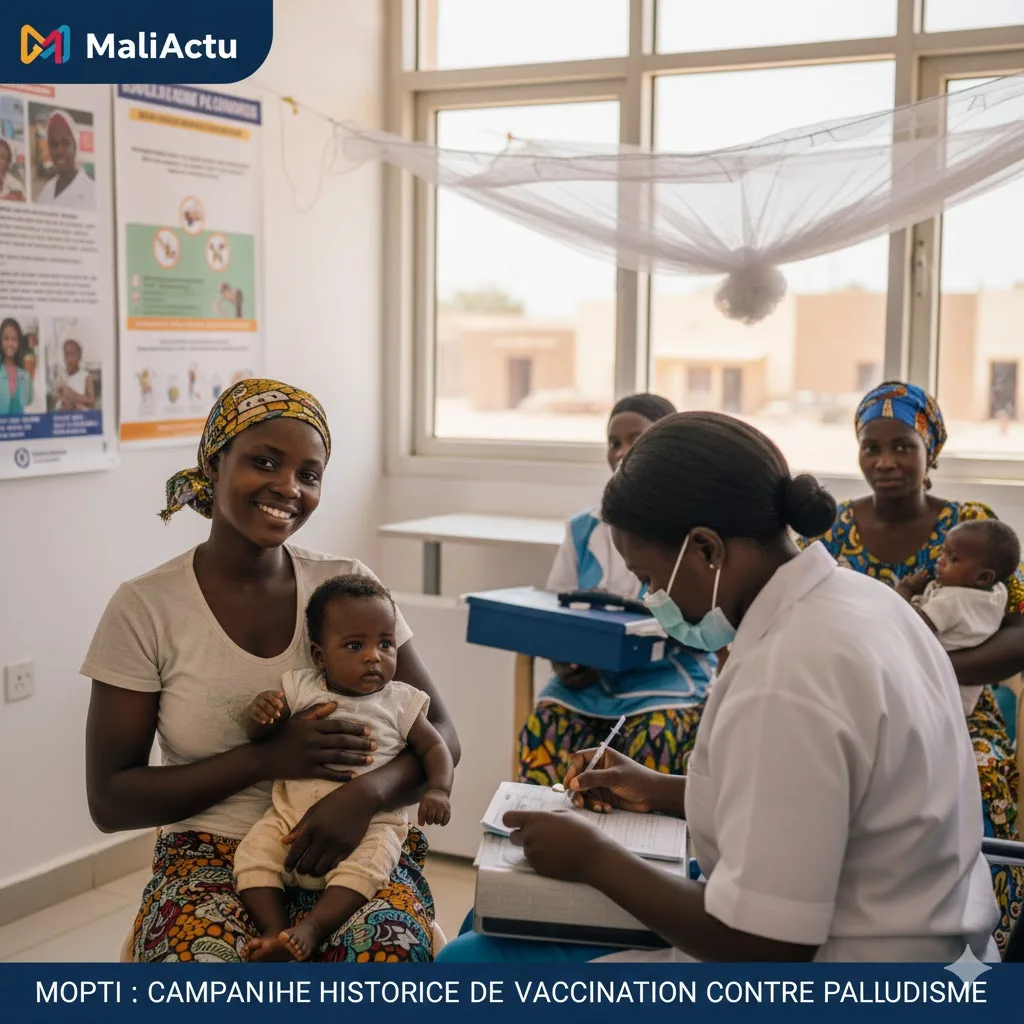

Mali has achieved a major milestone in its fight against malaria. By introducing the R21/Matrix-M vaccine, endorsed by the WHO, the regions of Kayes and Mopti are pioneering an innovative immunization strategy. This hybrid approach, blending age-based dosing with seasonal administration, is now shielding thousands of Malian children from one of the country’s most persistent health threats.
The West African nation is setting a new standard in public health. With backing from the WHO, Gavi, and UNICEF, Mali has integrated the R21/Matrix-M malaria vaccine into its Expanded Programme on Immunization (EPI). This rollout targets 19 high-risk districts across five regions, including Kayes and Mopti, using a cutting-edge vaccination model designed for maximum impact.
the hybrid strategy: a targeted defense against malaria
The Malian health system is deploying a hybrid vaccination strategy that stands apart from traditional methods. This dual-phase approach ensures robust protection by combining:
- Age-appropriate dosing: To establish a strong immune foundation in young children from the earliest stages of life.
- Seasonal vaccination campaigns: Doses are administered just before the rainy season, when mosquito activity—and malaria transmission—peaks, ensuring peak immunity when it’s needed most.
kayes and Mopti: frontline districts in the malaria battle
The selection of Kayes and Mopti as pilot zones reflects their critical role in Mali’s malaria response. These districts, among the 19 prioritized for vaccination, serve as testing grounds for the resilience and scalability of the country’s health infrastructure.
In Mopti, despite logistical hurdles, coordinated efforts between health services and international partners have streamlined vaccine distribution. Meanwhile, in Kayes, community engagement has been pivotal in ensuring timely administration of booster doses, a key factor in the vaccine’s long-term effectiveness.
a vital tool—not a standalone solution
Health authorities emphasize that the R21/Matrix-M vaccine is a powerful addition to Mali’s malaria-fighting arsenal, not a replacement for existing measures. Complementary strategies remain essential:
- Insecticide-treated bed nets: Nighttime protection remains a cornerstone of malaria prevention.
- Seasonal chemoprevention: The vaccine works in tandem with preventive medications already distributed during high-risk periods.
measuring success: reducing child mortality
The ultimate goal of this vaccination drive is to dramatically cut malaria-related deaths among children under five—the age group most vulnerable to the disease. The success of this pilot phase in Kayes and Mopti will determine whether the strategy expands nationwide, offering hope for a malaria-free future for Mali’s youngest citizens.