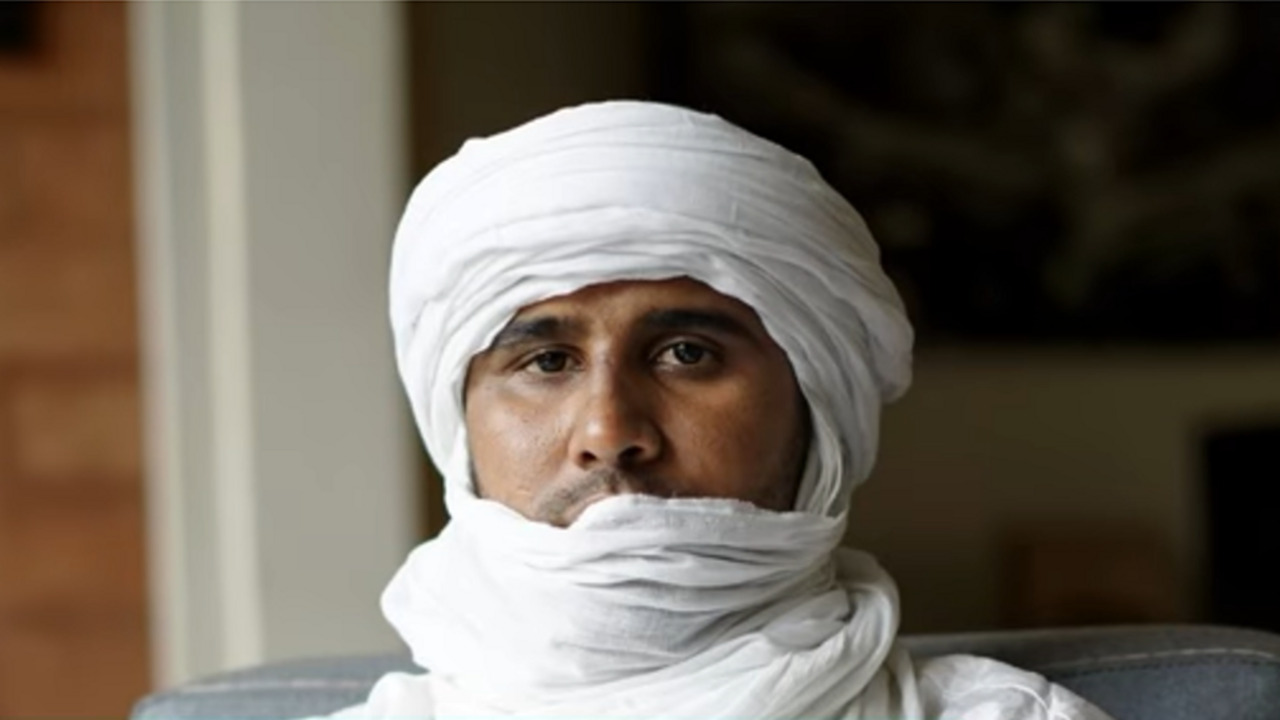

Mali’s transition leaders: public trust in army and government remains strong
Mali’s transitional authorities remain resolute in their fight against armed groups despite coordinated attacks by jihadist factions linked to al-Qaeda and independence-seeking rebels. On April 25, these groups launched their first joint offensive, resulting in the death of Defense Minister General Sadio Camara and the capture of Kidal. Since then, the Jnim faction has imposed a blockade on Bamako and intensified its assaults. However, Malian forces, supported by Russia’s Africa Corps, continue their operations, demonstrating unwavering determination.
Interviewer: The April 25 attacks have led some to question the resilience of Mali’s transitional government. Supporters of the military leadership argue for unity. Do you believe Assimi Goïta remains the leader Mali needs?
Moussa Ag Acharatoumane: Absolutely. Assimi Goïta continues to govern Mali effectively. Despite the April 25 attacks, Mali stands firm, actively responding to terrorist threats. Our defense and security forces have repelled these coordinated assaults, even in the face of internal and external complicities. Today, Mali’s army is more united than ever, with strong leadership and morale. Operations are ongoing nationwide.
Despite continued attacks, Bamako under blockade, the government remains resilient.
The government is resilient—and I would go further: it is the Malian people themselves who are resilient. Malians have deep trust in their army, their government, and their nation.
What is your assessment of the alliance between Jnim jihadists and the FLA separatists?
Al-Qaeda’s influence is well-documented. Those who align with it have failed to learn from history. In 2012, a similar alliance emerged, leading to chaos. Many within these groups have suffered at the hands of al-Qaeda, including families of former leaders. Al-Qaeda’s ties to Mali’s darkest moments—including the 2013 murders of Journalists—remain undeniable. This alliance is a grave mistake. Our brothers must recognize the error and reverse course. They should follow the example of the MSA and Gatia, who have allied with Malian forces to combat international terrorism.
FLA leaders claim this alliance is purely military against a common enemy—the Malian army and Russia’s Africa Corps—and lacks broader ambitions.
International al-Qaeda communications openly acknowledge this alliance. Iyad Ag Ghali, head of Jnim, has personally coordinated operations in Kidal alongside FLA commanders. Their public displays in Kidal, flying black flags, reveal their true intentions. They are making a catastrophic error, repeating the same mistakes of 2012.
Jnim and FLA now control Kidal and Tessalit. Malian forces and Russia’s Africa Corps hold Aguelhoc and Anéfis. Can we expect a counteroffensive in the Kidal region?
Defense and security forces are reorganizing and remain active in Kidal. They are determined to reclaim every inch of national territory and will not yield to terrorist groups.
General El Hadj Ag Gamou, appointed Kidal’s governor in 2023 and a key figure you know well: reports suggest he is currently in Gao. Is this accurate? Could he lead a counteroffensive in Kidal?
General El Hadj Ag Gamou is in excellent spirits. He is firmly grounded and leading effectively as governor of Kidal. The military handles offensives, reorganization, and operations. His role is to govern. He is well and facing no issues.
In Ménaka, where you lead the MSA, Malian forces and Russia’s Africa Corps repelled ISIS offensives in late April. How is the situation in the city today?
Today, Ménaka is under control. Administration is functioning, normal life has resumed, and security forces conduct regular patrols with partners. However, the threat persists. We must remain vigilant. Mali is at war with one of the world’s most dangerous terrorist organizations. While calm prevails for now, we cannot afford complacency.
Should dialogue or negotiation be pursued with Jnim and FLA, as some opposition groups like the Coalition of Forces for the Republic (CFR) advocate? This has been a recurring recommendation in national consultations, including during the transition. The current authorities reject this outright. Are you open to dialogue?
There can be no negotiation with groups whose goal is to destroy our nation. The Malian state protects its people and territory. No discussions are possible under current conditions unless they abandon their destructive agenda. If they reconsider, there is a place for all Malians—but not under these circumstances.