
The recent truck fires along the Sahelian border are far from isolated security incidents. They signal a deepening crisis along trade arteries linking Mauritania, Morocco, and northern Mali—corridors that once provided relative stability but now face persistent insecurity. This escalation disrupts supply chains critical for delivering food and essential goods to communities in northern Mali, worsening humanitarian conditions.
Commercial exchanges between Mauritania and northern Malian hubs like Tombouctou and Gao have plummeted. Trans-Saharan trade routes, historically vital for goods movement, now face severe disruptions, destabilizing an already fragile economic balance in the region’s northern territories.
Mauritania has long served as a key transit point for Moroccan goods destined for northern Mali. Merchandise flowed through its ports before reaching major cities in the north, relying on entrenched Malian merchant networks with roots in ancient desert caravan traditions. This trade fostered economic interdependence, reinforcing regional stability.
According to Umar Al-Ansari, Mauritania played a pivotal role in supporting humanitarian and economic resilience in northern Mali. He notes, “Mauritania acted as a lifeline for northern Mali, a gateway for both goods and people seeking safety. Since 1991, Nouakchott has kept its borders open to Malian refugees, hosting over 300,000 displaced individuals in the Mbera camp and surrounding villages.”
Collapse of a once-stable security partnership
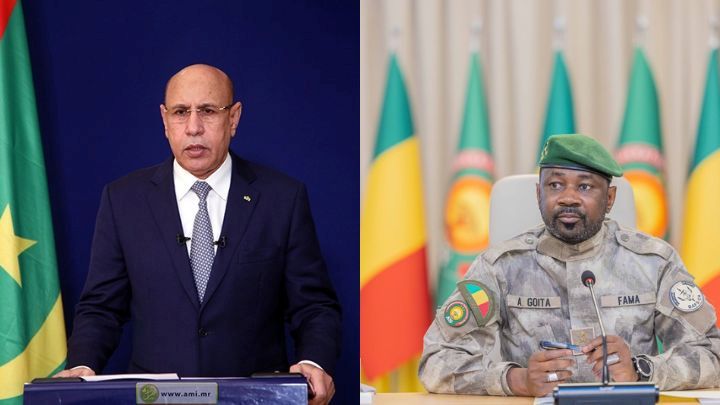
The deterioration of regional security has eroded the cooperative framework that once defined Mauritania’s border management. Observers note how early efforts by Nouakchott to counter armed threats limited militant infiltration along shared borders. However, shifts in Mali’s transitional leadership and increased foreign military involvement—particularly Russian support—have reshaped perceptions of bilateral relations.
Border regions now face rising military operations and civilian tensions. Frequent incidents, including arrests, armed clashes, and accusations against civilians suspected of aiding armed groups, have weakened traditional cooperation mechanisms. These disruptions have frayed trust between communities that once thrived on cross-border exchanges.
Erosion of local networks fuels instability
Umar Al-Ansari highlights how recurring violence has dismantled the networks sustaining border life for decades. He explains, “Each incident—kidnappings, accusations, or clashes—erodes the foundations of local trade, pastoralism, and traditional leadership. As trust collapses, armed groups exploit the void, embedding themselves in zones once dedicated to commerce and human movement.”
Today, routes connecting Mali to Mauritania are increasingly perilous, with frequent disruptions crippling trade flows and further isolating northern Mali. What was once a cornerstone of cooperation between Nouakchott and Bamako has evolved into a landscape of mistrust and strategic recalibration, driven by security concerns and shifting regional alliances.