
In the vast Mauritanian desert, near the border with Mali, hundreds of thousands of Malian refugees cling to a fragile hope of returning home. Yet the recent surge in violence across northern Mali has reignited fears of a new exodus into Mauritania.
As the conflict in Mali intensifies, many displaced families in border towns like Fassala recount harrowing experiences with Russian paramilitary groups—once known as Wagner—now operating under the banner of Africa Corps. These groups have been accused of widespread abuses, including killings and disappearances, deepening the trauma of those who fled their homes.
From fragile hope to lingering dread
Mosso*, a 57-year-old Tuareg herder from central Mali’s Mopti region, arrived in Mauritania three weeks ago. His family’s ordeal began when armed men—identified by locals as Russian mercenaries—stormed their camp, abducting several villagers. His brother was killed in front of his 14-year-old son a year earlier. Now, Mosso pins his hopes on the departure of these foreign fighters. “If the Russians leave, we will go back,” he insists. His words echo those of many others who see the presence of Africa Corps as the root of Mali’s chaos.
Mosso’s plea is not unfounded. The Africa Corps has been a controversial partner of Mali’s ruling junta, led by Colonel Assimi Goïta, since French forces withdrew in 2023. Their involvement has drawn sharp criticism, with human rights groups accusing them—and the Malian military—of systematic abuses against civilians accused of collaboration with rebel factions.
A fragile alliance and mounting tensions
Recent coordinated attacks by the Front de Libération de l’Azawad (FLA) and the Jama’at Nusrat al-Islam wal Muslimin (JNIM)—an Al-Qaeda affiliate—have inflicted heavy losses on the Malian junta, including the killing of the defense minister. These offensives have temporarily shifted control in key northern cities like Kidal, sparking cautious optimism among refugees that the tide of war might finally turn in their favor.
Yet, the alliance between the FLA and JNIM has raised serious concerns. In the sprawling Mbera refugee camp, Ahmed*, a 35-year-old Tuareg, expresses his unease. “I am far from happy that the FLA has taken Kidal,” he admits. “JNIM is a terrorist movement. Their goals do not align with ours—we are peaceful Muslims.” His sentiments reflect a growing divide among displaced communities, many of whom fear the consequences of a rebel victory.
Abdallah*, a 77-year-old Tuareg elder, shares Ahmed’s skepticism. “I do not trust the FLA’s alliance with JNIM,” he says. “Their extremism contradicts our values.” His caution underscores the complex loyalties and fears shaping refugee perspectives in Mauritania.
Humanitarian strain and the shadow of fresh displacement
The renewed fighting has already triggered a new wave of displacement. According to the United Nations High Commissioner for Refugees (UNHCR), nearly 14,000 people—mostly women and children—have fled into Mauritania since October, as jihadist blockades tightened their grip on local communities.
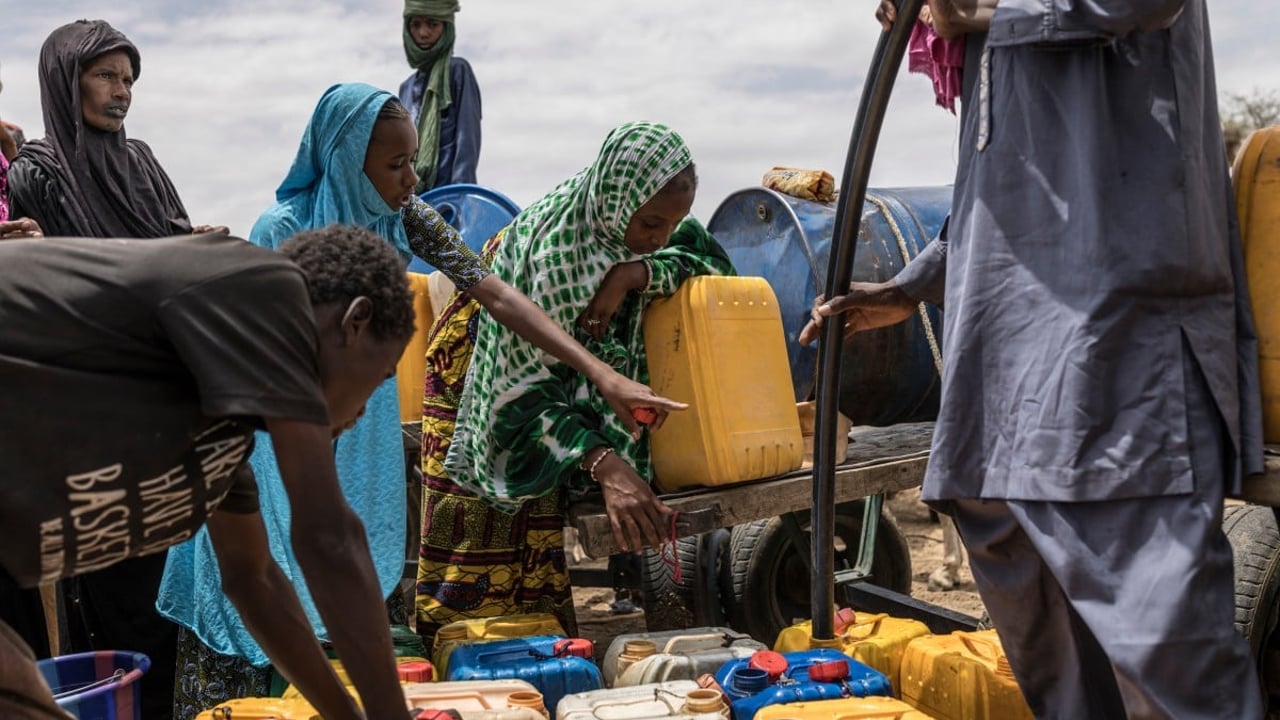
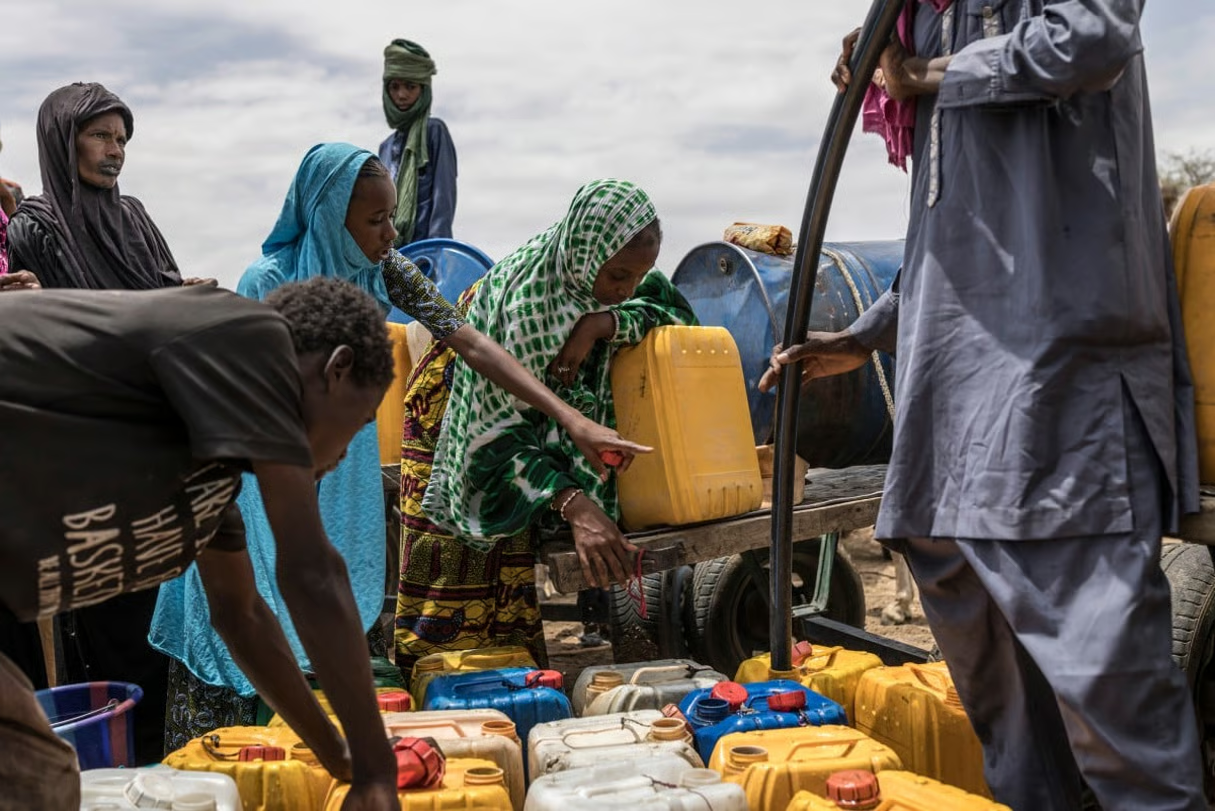
“We are closely monitoring the situation with deep concern,” says Omar Doukali, UNHCR spokesperson in Mauritania. “The humanitarian needs are immense, and the resources are stretched thin.” The influx has placed enormous pressure on Mauritania’s already scarce water and pastureland, particularly in the Hodh Chargui region, which hosts over 300,000 Malian refugees.
Cheikhna Ould Abdallahi, mayor of Fassala—a town sheltering 70,000 refugees—warns of growing tensions. “The strain on grazing lands, water supplies, and basic services like healthcare is unsustainable,” he notes. With Mali’s instability showing no signs of abating, Mauritania braces for further waves of arrivals.
Tilleli*, a 22-year-old mother of one, clutches her infant as she recounts the horrors of her recent flight from Mopti. “Russian fighters and Malian soldiers burned our village,” she says. “I will only return when Wagner is gone from our land.” Her words capture the despair of a generation caught in the crossfire, with little hope for peace in the near future.
The situation remains precarious. The FLA has vowed to push toward major northern cities, raising the specter of a junta collapse. Yet, for the refugees in Mauritania, the path home remains uncertain—clouded by the presence of foreign fighters, the rise of extremist groups, and the absence of lasting stability.