
Morocco reaffirms commitment to un peacekeeping operations
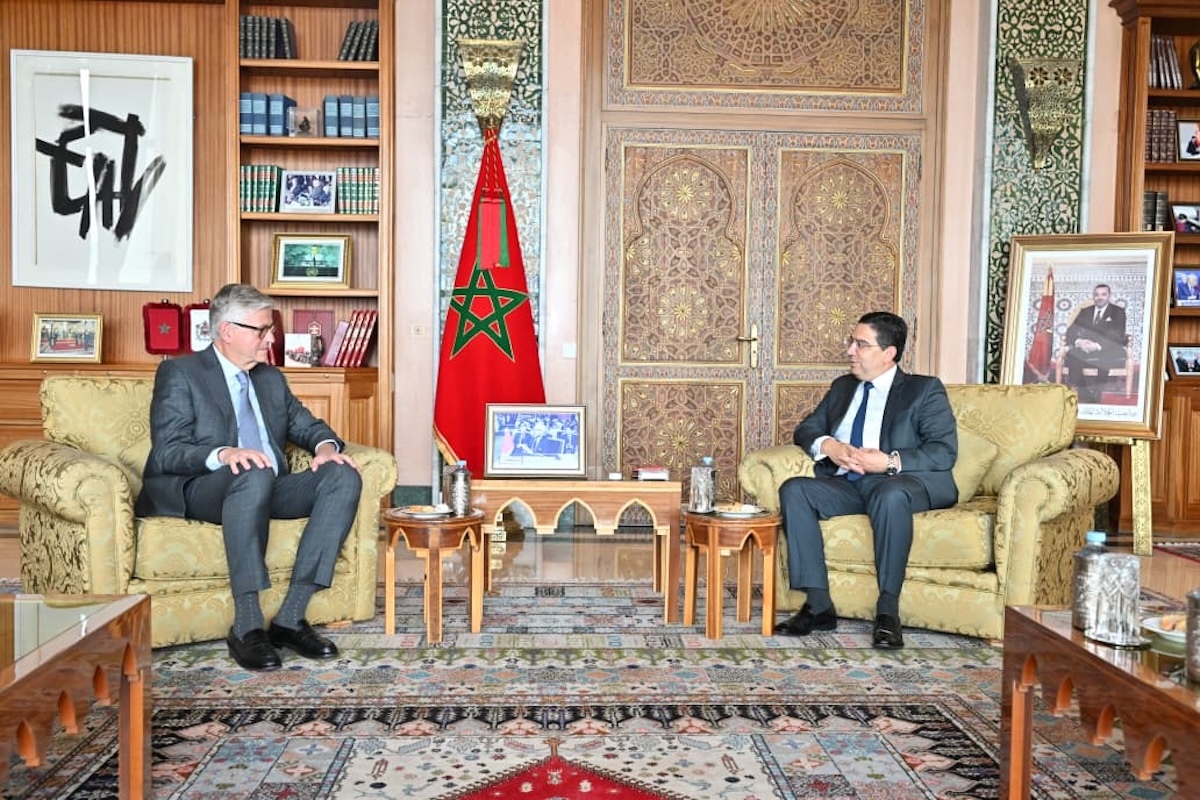
Morocco strengthens its role in UN peacekeeping missions
The Moroccan Minister of Foreign Affairs, Nasser Bourita, welcomed the UN Under-Secretary-General for Peace Operations, Jean-Pierre Lacroix, in Rabat for high-level discussions on international peace and security.
During the meeting in Rabat, both officials emphasized Morocco’s pivotal role in supporting United Nations peacekeeping operations worldwide.
Morocco’s involvement stems from a visionary royal strategy rooted in decades of unwavering commitment to UN peacekeeping since 1960.
The Kingdom currently ranks among the top ten troop-contributing countries to UN peacekeeping missions. Additionally, it holds the presidency of the UN Peacebuilding Commission for 2026 and serves as coordinator for the Non-Aligned Movement on peacekeeping issues, underscoring its respected standing in global peace and security discussions.
The discussions also addressed ongoing UN reforms, including the “UN80” initiative, aimed at modernizing the organization’s peacekeeping architecture and reinforcing political solutions in conflict resolution.
Morocco’s strategic contributions to global peace
Morocco’s active participation in UN peacekeeping reflects its dedication to international stability. With a history of involvement since 1960, the country has consistently provided troops, expertise, and leadership to crisis zones worldwide.
The diplomatic meeting in Rabat highlights Morocco’s growing influence in shaping UN peacekeeping policies and its readiness to support future missions under evolving global security challenges.
Key takeaways from the discussions
- Long-standing commitment: Morocco’s engagement in UN peacekeeping since 1960 demonstrates its dedication to global stability.
- Leadership roles: Holding the presidency of the UN Peacebuilding Commission and coordinating the Non-Aligned Movement’s peacekeeping agenda reinforces Morocco’s diplomatic credibility.
- UN reforms: The discussions align with broader UN efforts to modernize peacekeeping operations and prioritize political solutions in conflict resolution.