
Niamey conference promotes moderate islam and regional stability
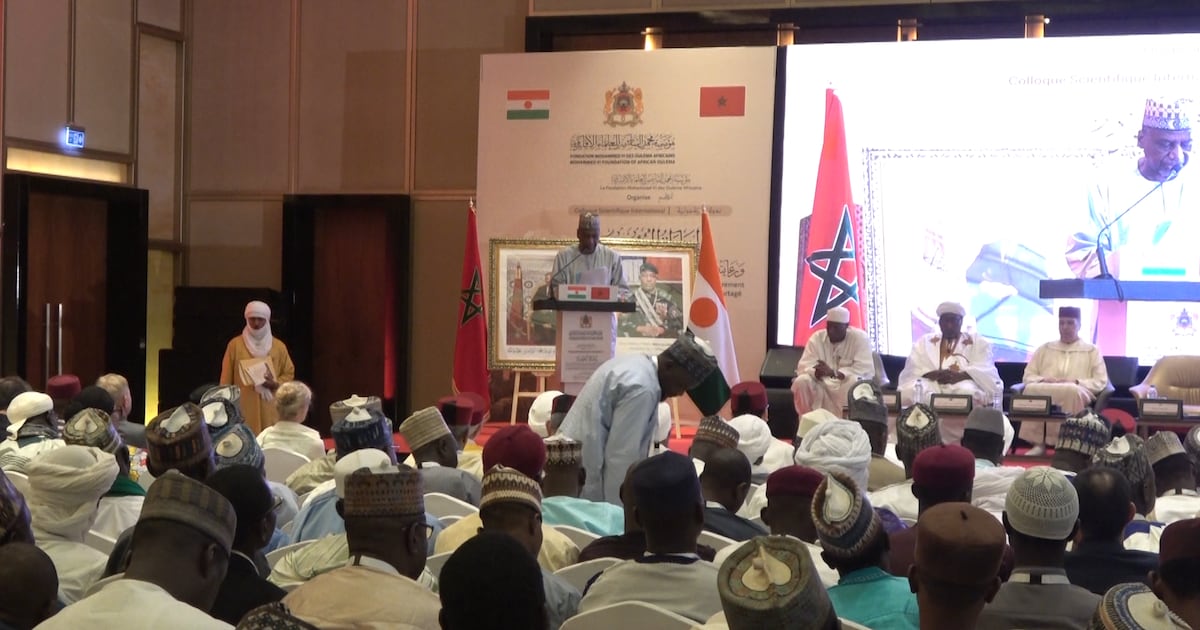
Niamey recently hosted a significant international colloquium, convened by the Mohammed VI Foundation of African Oulema on June 6 and 7. This pivotal gathering focused on “The Commandery of the Faithful and its Role in Guiding the African Religious Field and Shared Human Heritage,” culminating in scientific recommendations aimed at upholding values of peace, tolerance, and communal living.
Ibrahim Hamgar, Secretary General of the Foundation’s Niger chapter, underscored the timeliness of the topic. “This theme emerges amidst challenging global circumstances, particularly across the African continent, where religious differences often lead to discord,” he explained. “This conference aims to illuminate the virtues and principles of moderate Islam, fostering peaceful coexistence and social cohesion among Muslims despite varying viewpoints.”
Beyond the scholarly discourse, this event powerfully demonstrated the robust cooperation between Niger and Morocco. Ambassador Mohamed Iboumraten, Morocco’s envoy to Niamey, highlighted the exemplary partnership between the Kingdom of Morocco and the Republic of Niger across numerous vital and strategic sectors, including Islamic cooperation. He specifically cited the impactful program for training imams and preachers. From 2019 to 2025, this initiative annually provided 200 imams, male and female preachers, with two-year scholarships and comprehensive training at the prestigious Mohammed VI Institute in Rabat.
Souleymane Issakou, Secretary General of the Ministry of Foreign Affairs, Cooperation, and Nigeriens Abroad, emphasized how the presentations, analyses, and discussions illuminated the critical role of religious understanding. He noted its significance as a catalyst for stability, social cohesion, intercultural dialogue, and peacebuilding within African societies, especially in the Sahel region, which faces considerable security, social, and ideological challenges.
Thus, for two days, Niamey became a focal point for collective reflection on the continent’s spiritual and human challenges. A shared conviction resonated throughout the proceedings: that peace is also forged through knowledge, dialogue, and mutual understanding.
The closing ceremony featured the reading of the general report on the colloquium’s proceedings, followed by the adoption of a final communiqué and a set of key recommendations.