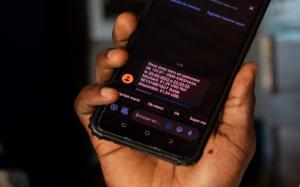

Niger adopts digital payments for vaccination campaigns
During the April 2026 National Polio Vaccination Days in Niger, the Niamey region implemented a groundbreaking digital payment system for health workers and community volunteers, supported by the World Health Organization (WHO) Niger. Over 1,200 frontline health workers were compensated via mobile money, replacing the previous cash-based system.
With this digital innovation, 99% of payments were processed within 48 hours after campaign completion, credited directly to beneficiaries’ mobile accounts. The system significantly enhanced transaction transparency, slashed payment delays, and eliminated logistical hurdles tied to cash handling. Initial challenges—such as data quality and digital tool adoption—were swiftly addressed through targeted technical assistance provided by WHO Niger.
Preparatory work and capacity building
The success of this initiative stems from months of strategic groundwork. From September 29 to October 3, 2025, WHO Niger organized a specialized training workshop on digital payments for national and local vaccination stakeholders. Led by experts from the WHO Regional Office for Africa, the session empowered the Ministry of Public Health and Hygiene to design and implement a robust national digital payment ecosystem.
Transforming public health delivery
Digital payments for health workers are revolutionizing the efficiency, transparency, and accountability of public health campaigns. By ensuring faster, safer, and fully traceable transactions, this system boosts the morale of field agents and elevates the overall performance of health interventions. Following the impressive outcomes in Niamey, this model is poised for nationwide expansion and integration into other health initiatives, underscoring WHO Niger’s commitment to delivering tangible, measurable results on the ground.



