
More than 24 hours after the deadly ambush on the Niger River, the body of a senior gendarmerie officer remains stranded aboard a drifting patrol boat, denied the recovery efforts it warrants.
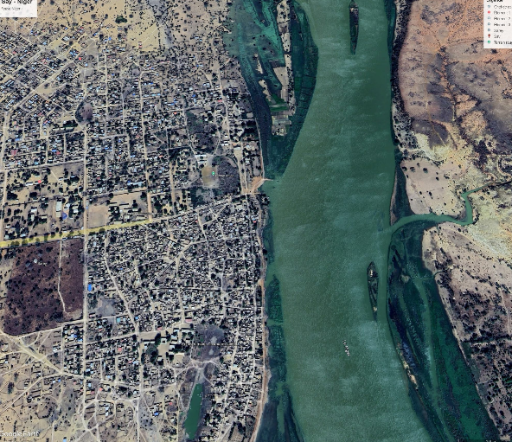
The incident occurred Wednesday afternoon, April 8, as the captain and his team conducted a routine intelligence verification mission during Say’s weekly market day. At approximately 5:00 PM, gunfire erupted from the riverbanks in a high-risk zone spanning the Tillabéri and Dosso regions. The ambush, attributed to fighters from the Jama’at Nasr al-Islam wal-Muslimin (JNIM), resulted in multiple casualties.
heavy losses in a high-stakes river zone
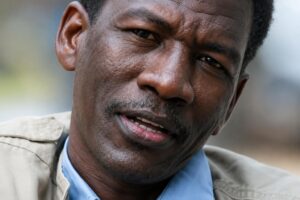
The attack left at least three gendarmes dead, including Captain Maman Ada Sahabi, commander of the Say gendarmerie unit. Two other soldiers were killed and swept away by the river current, while the officer’s body remained aboard the drifting vessel. Security personnel on-site face a dual threat: the possibility of improvised explosive devices (IEDs) and the risk of a second ambush, complicating recovery efforts.
a respected leader lost
At just over 40 years old, Captain Sahabi had led the Say gendarmerie group for more than five years. Known for his unwavering commitment, he was a pivotal figure in the fight against armed terrorist groups active in the Liptako-Gourma region. His death underscores the intensifying violence in Tillabéri, a long-standing hotspot for JNIM and other Sahel-based extremist factions.
outrage over delayed body recovery
The most disturbing aspect of this tragedy is the apparent abandonment of the officer’s body for over a day. Confusion within the chain of command has prevented any retrieval operation, a decision that has sparked widespread anger among both security forces and local residents in Say.
“How can a commander’s body be left to drift on the river like this? It’s an utter lack of respect for those risking their lives every day,” said a security source who requested anonymity.
For many, this incident reflects broader concerns about a leadership struggling to honor its fallen soldiers—a criticism that has grown louder since the July 26, 2023 coup.
questioning the value of soldiers’ sacrifices
This tragedy reignites debates about the recognition given to the sacrifices of Niger’s Defense and Security Forces (FDS) in the ongoing counterterrorism campaign led by the transitional government under General Abdourahamane Tiani.
Despite frequent official statements celebrating successful operations and “neutralized terrorists,” the reality remains grim in red-flag zones like Tillabéri, Tahoua, and Dosso. The persistence of river ambushes highlights the jihadists’ adaptability, exploiting the Niger River’s porous borders and strategic mobility.
Families of fallen soldiers, survivors, and residents in high-risk areas express growing frustration: nationalist rhetoric contrasts sharply with the harsh realities of chronic insecurity and sometimes chaotic operational management.