
While battling the global coronavirus pandemic, Niger is now forced to confront a second major health emergency: a resurgence of poliomyelitis. This new outbreak has recently been confirmed after two children were paralyzed in the regions of Niamey and Tillaberi.
Although both viruses are currently circulating in several areas of Niger, they spread through different mechanisms. Coronavirus is primarily airborne, transmitted via droplets from coughing or sneezing. In contrast, polio is usually contracted through the ingestion of contaminated water or food, or via poor hand hygiene and direct oral contact. Despite these differences, the two diseases can present similar initial symptoms, such as fever, coughing, and intense headaches.
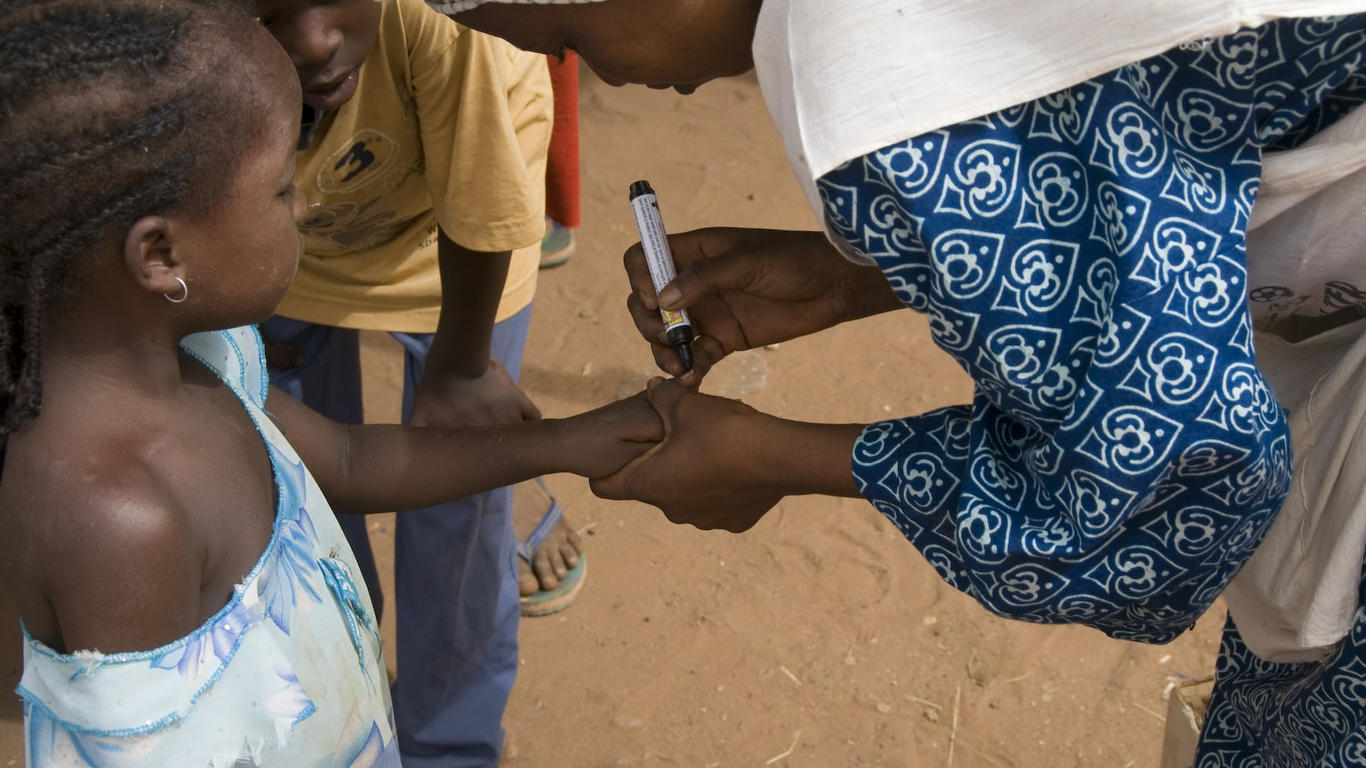
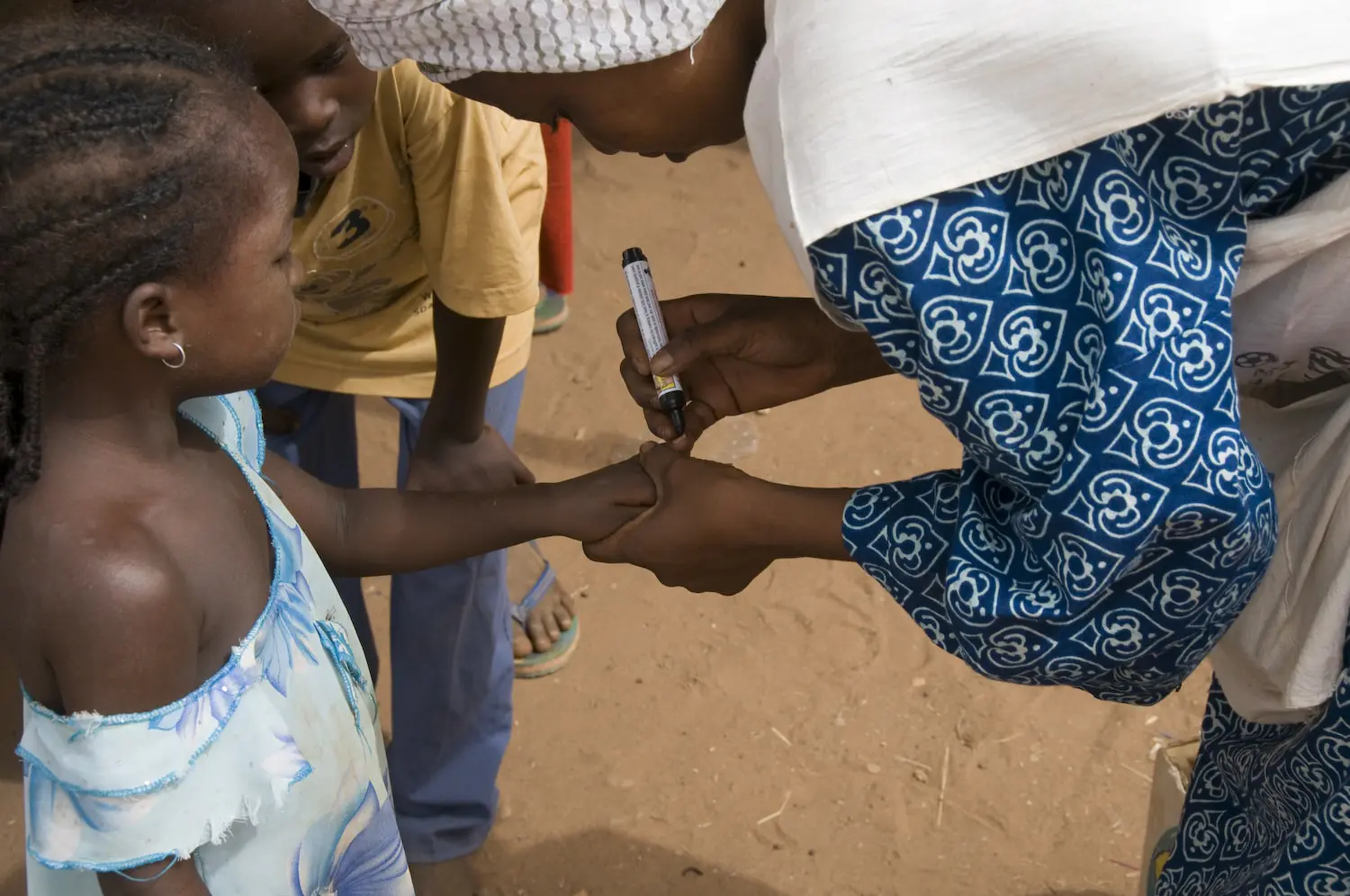
“Niger successfully halted previous polio outbreaks through high-quality mass immunization efforts in 2019. Unfortunately, replicating that success is currently impossible,” explains Dr. Pascal Mkanda, who coordinates the polio eradication program in the African Region. He notes that mass vaccination campaigns have been put on hold to comply with global COVID-19 safety protocols, including handwashing and social distancing.
This development comes just months after Niger, along with Kenya and Mozambique, celebrated the end of a two-year polio cycle in December. However, the current cases involving a circulating vaccine-derived poliovirus are distinct from the outbreak that was suppressed last year.
The persistent threat of poliovirus circulation
“The virus will inevitably continue to spread and may cause paralysis in more children because we cannot launch timely, high-quality vaccination drives at this moment,” warned Dr. Mkanda.
With this latest development, Niger is now among 15 nations in Africa currently grappling with vaccine-derived poliovirus outbreaks. The list includes Angola, Bénin, Burkina Faso, Cameroun, the République centrafricaine, Tchad, Côte d’Ivoire, the République démocratique du Congo, Éthiopie, Ghana, Mali, Nigéria, Togo, and Zambie. In these regions, factors such as low routine immunization rates, vaccine hesitancy, and geographical barriers have historically hindered efforts to protect every child.
While large-scale vaccination efforts are suspended indefinitely, health officials in the African Region are prioritizing disease surveillance. Although polio remains incurable, it is entirely preventable through simple and effective vaccines. Ongoing efforts in Niger and across the continent aim to bolster immunity levels as quickly as possible to shield children from the devastating effects of paralysis.