
Spain withdraws consul in Niamey amid Schengen visa trafficking probe
Madrid has taken decisive action by revoking the credentials of its consul in Niamey, following the dismantling of a high-level conspiracy that trafficked Schengen visas for exorbitant sums. Investigators uncovered a shadow network operating within Niger’s corridors of power, with evidence pointing to direct involvement from figures close to the transitional government.
This diplomatic earthquake has sent shockwaves through the capital, where allegations of state-sponsored corruption now threaten the credibility of the military-led administration. The scandal centers on a 2.5 million FCFA (€3,800) bribe per visa, a price point that excluded ordinary citizens and instead catered to affluent traders and aspiring migrants seeking illicit passage into Europe.
The intricate web of fraud and military influence
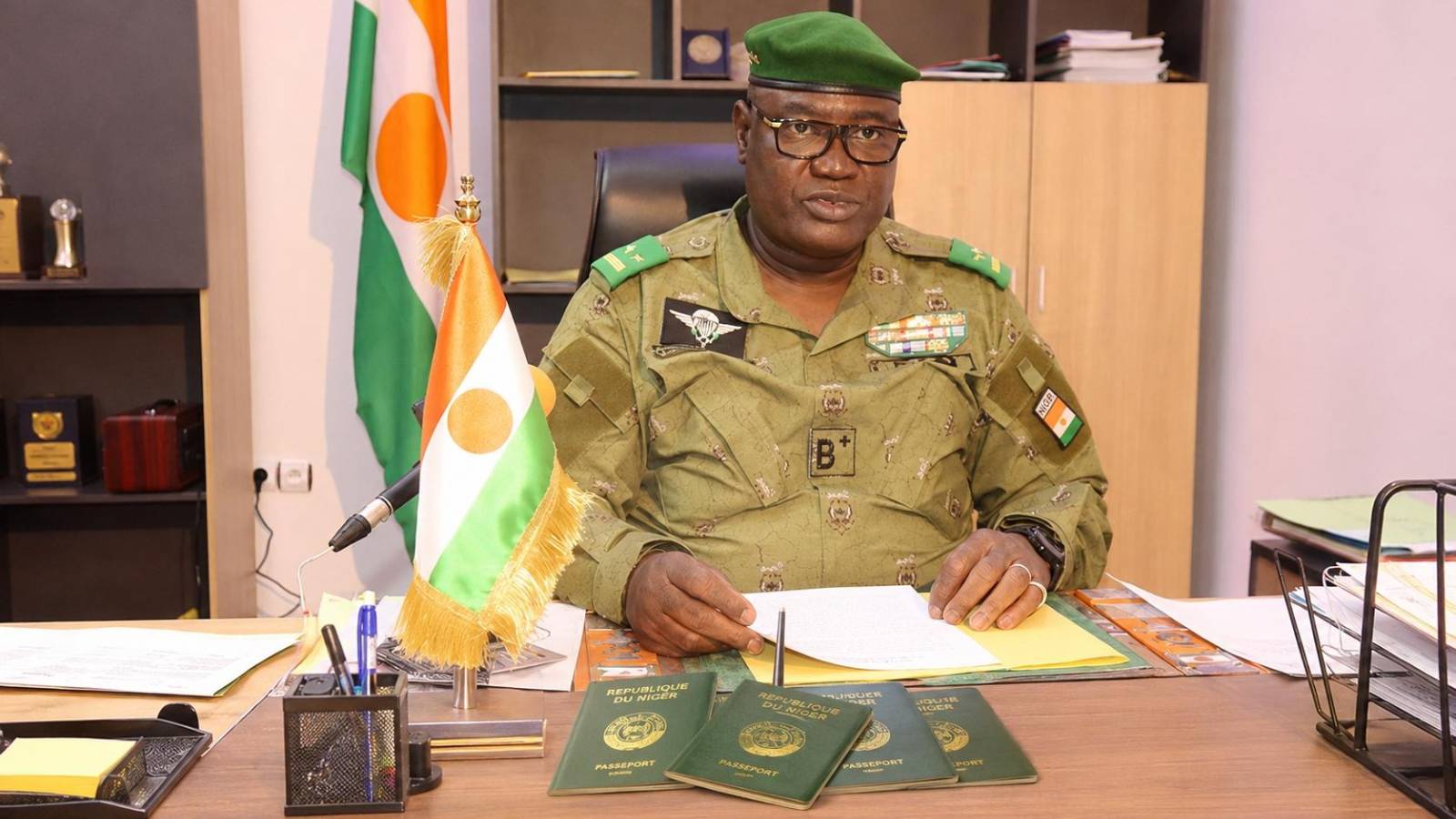
At the heart of this operation lies the wife of General Mohamed Toumba, a key figure in Niger’s ruling CNSP and Minister of the Interior. Authorities allege she exploited her husband’s political leverage to orchestrate a de facto visa-for-cash scheme, bypassing all legal protocols. Wiretaps and documentary evidence collected by the Nigerien Directorate General for Documentation and External Security (DGDSE) reveal a systematic abuse of diplomatic privileges, transforming consular services into a lucrative state-backed enterprise.
The investigation, spearheaded by Lieutenant-Colonel Souleymane Balla Arabé, head of Niger’s counterintelligence, has exposed deep fractures within the transitional council. General Toumba, once a figure of authority, now faces mounting pressure as rival factions within the CNSP exploit the scandal to undermine his standing. The revelation that his inner circle allegedly profited from human trafficking rings has dealt a severe blow to his reputation as a guardian of public order.
A president’s deafening silence
The transitional leader, General Abdourahamane Tiani, has yet to issue a statement or take disciplinary action against those implicated. His silence has been interpreted by analysts and diplomats as either tacit approval or a strategic refusal to intervene in the internal power struggles of his own administration. This inaction contradicts the CNSP’s earlier pledges to dismantle corruption and restore institutional integrity after the July 2023 coup d’état.
The case also raises uncomfortable questions about the junta’s relationship with Western partners. While the regime publicly distances itself from former colonial powers, its officials have allegedly monetized access to the Schengen Zone, revealing a paradoxical blend of anti-Western rhetoric and economic dependence on European migration pathways. Spain’s bold move to expel its compromised diplomat underscores Europe’s intolerance for such hypocrisy.
The question now is whether General Tiani will follow Madrid’s lead by holding his own officials accountable—or whether the survival of the military council will take precedence over justice for the people of Niger. The credibility of the transition hangs in the balance, as the visa scandal becomes a litmus test for the regime’s commitment to reform.