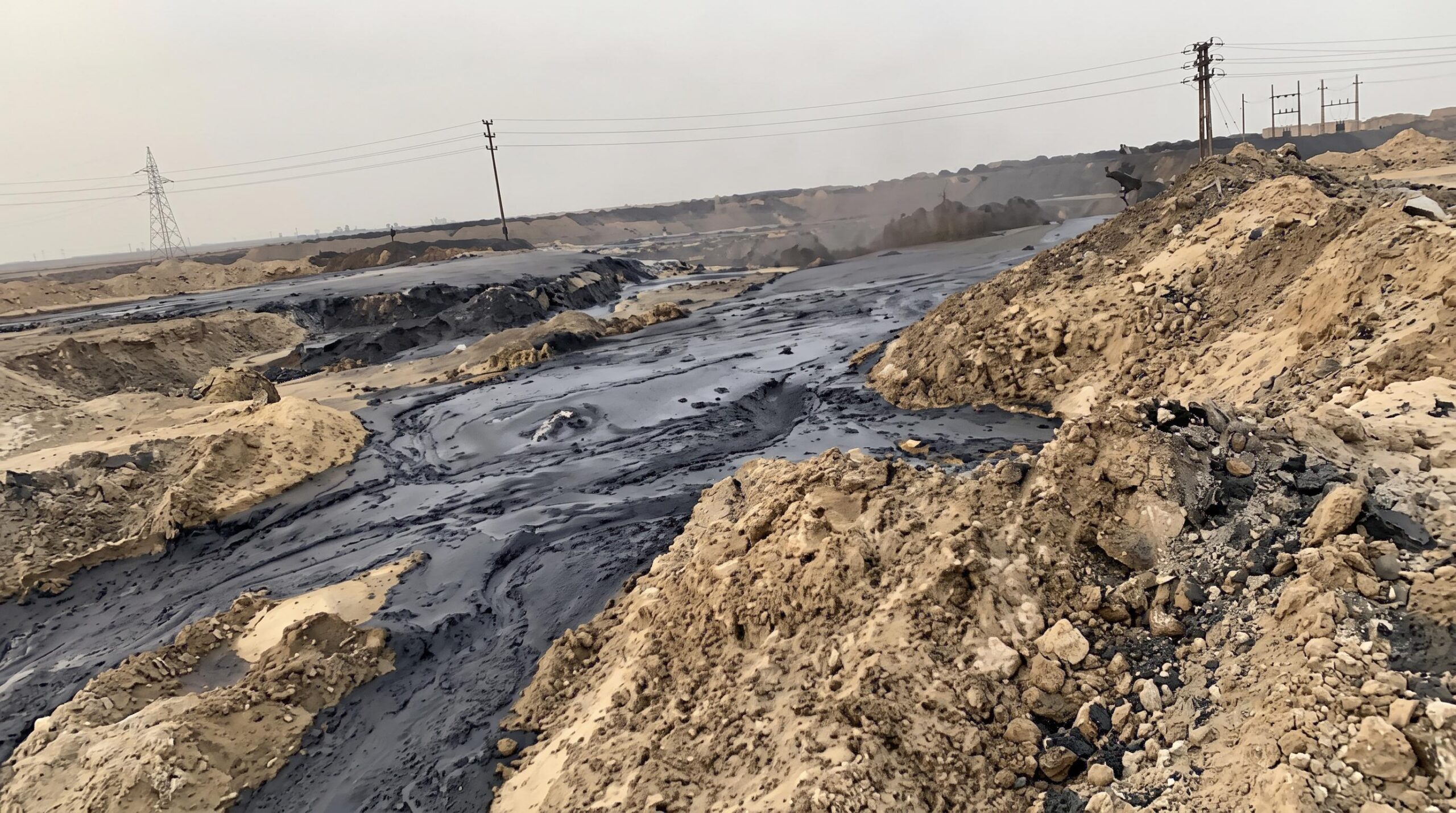

The eruption at the Goumeri W-8 oil well in Niger’s Agadem basin has triggered a turning point—not just for safety protocols, but for the nation’s environmental and economic future. As crude oil and gas spew uncontrollably from the well, the incident exposes deep flaws in oversight, transparency, and the sustainability of the Niger-China oil partnership. With ecosystems, water supplies, and local livelihoods hanging in the balance, the crisis demands more than damage control—it calls for decisive action to reset the rules of engagement.
From emergency response to environmental reckoning
The blowout at Goumeri W-8, operated by CNPC Niger Petroleum S.A., has sent crude oil gushing into the air and onto the ground, triggering immediate safety concerns and long-term ecological fears. Initial reports indicate two injuries among workers, though no fatalities have been confirmed. Yet the real threat lies beyond the visible damage: in a region where water is a lifeline for pastoral communities and fragile ecosystems, the risk of soil and groundwater contamination looms large.
Hydrocarbons contain toxic substances capable of degrading soil quality, disrupting plant life, and poisoning water sources. In a semi-arid landscape already strained by climate change, a poorly contained spill could devastate biodiversity, agricultural productivity, and access to safe drinking water. The situation is further compounded by the risk of gas emissions, fire hazards, and prolonged exposure to harmful fumes for nearby residents and workers.
Why Agadem is a pressure point for Niger’s environmental policy
The Agadem basin is not just an oil field—it is a test of whether Niger can balance economic ambition with environmental stewardship. While authorities have activated containment measures and deployed technical teams, the gap between emergency response and long-term protection remains stark. Communities are left in the dark: Are their wells at risk? Which areas should they avoid? What assurances exist that the situation won’t worsen?
The government’s next steps will define its credibility. Transparency must take precedence over official reassurances. Independent evaluations of soil, water, and air quality are essential. Without verifiable data, public trust erodes, and recovery becomes impossible.
Regaining control: from contractual opacity to environmental accountability
The CNPC-operated well sits at the heart of Niger’s largest oil development, a partnership that has long been shrouded in opacity. Public scrutiny of financial terms, environmental safeguards, and emergency protocols has been limited. Yet the stakes are too high to remain silent. Niger’s citizens deserve clarity on revenue sharing, environmental obligations, and compensation mechanisms for communities affected by industrial accidents.
This isn’t just a technical oversight—it’s a governance failure. If the current crisis reveals systemic neglect in maintenance, safety monitoring, or prevention protocols, responsibility must be assigned without compromise. Whether the fault lies with the operator, contractors, or regulatory lapses, the response will set a precedent for future accountability.
The role of China in Niger’s oil future
The China National Petroleum Corporation (CNPC) remains a linchpin in Niger’s oil infrastructure, from extraction to export. While the partnership has brought investment and infrastructure, questions persist about the balance of benefits and burdens. Recent diplomatic tensions—including the expulsion of Chinese oil officials in 2025—have underscored the fragility of this relationship.
As Niamey seeks to renegotiate terms and assert greater control over its resources, the Agadem crisis forces a critical question: Will environmental and safety concerns become casualties of geopolitical posturing? The answer must be no. Protecting populations and ecosystems cannot be bargained away in diplomatic negotiations. Both Niger and China must uphold their obligations under international and bilateral agreements.
Military rule at a crossroads: sovereignty, safety, and transparency
The military-led government has framed economic sovereignty as a cornerstone of its legitimacy. But sovereignty extends beyond renegotiating contracts—it demands robust institutions capable of enforcing safety standards, monitoring operators, and ensuring public access to critical information.
For Agadem to become a symbol of progress rather than peril, several measures are non-negotiable:
- Full disclosure of the incident’s causes: An independent, transparent investigation must uncover technical failures, regulatory gaps, or systemic negligence.
- Rigorous environmental audits: Soil, water, and air quality assessments must be conducted and shared publicly, with no delays.
- Community engagement and compensation: Local residents must be informed of risks and included in recovery planning. Compensation frameworks must be established for any proven damages.
- Zero-tolerance for evasion of responsibility: Accountability must apply to operators, contractors, and government agencies alike.
The Goumeri W-8 blowout is not merely an industrial incident—it is a watershed moment. It offers Niger a chance to pivot from reactive damage control to proactive stewardship. The choice will shape not only the nation’s environmental legacy but also its economic credibility on the global stage.
Oil or poison? The future of Agadem hangs in the balance
Niger’s oil sector was meant to fuel development, not fuel a crisis. Yet as the Agadem spill unfolds, it reveals a painful truth: unchecked extraction without safeguards is a recipe for ecological and social disaster. The true measure of sovereignty lies not in the volume of oil pumped, but in the preservation of land, water, and lives.
For the Nigerien people, the question is clear: Will their government seize this moment to enforce standards, demand accountability, and protect its most vulnerable citizens? Or will the promise of oil wealth remain just that—a promise, overshadowed by avoidable tragedy?
There is no middle ground. The time for decisive action is now.