
From uncertainty to official confirmation: the turning point in Moussa Kaka’s case
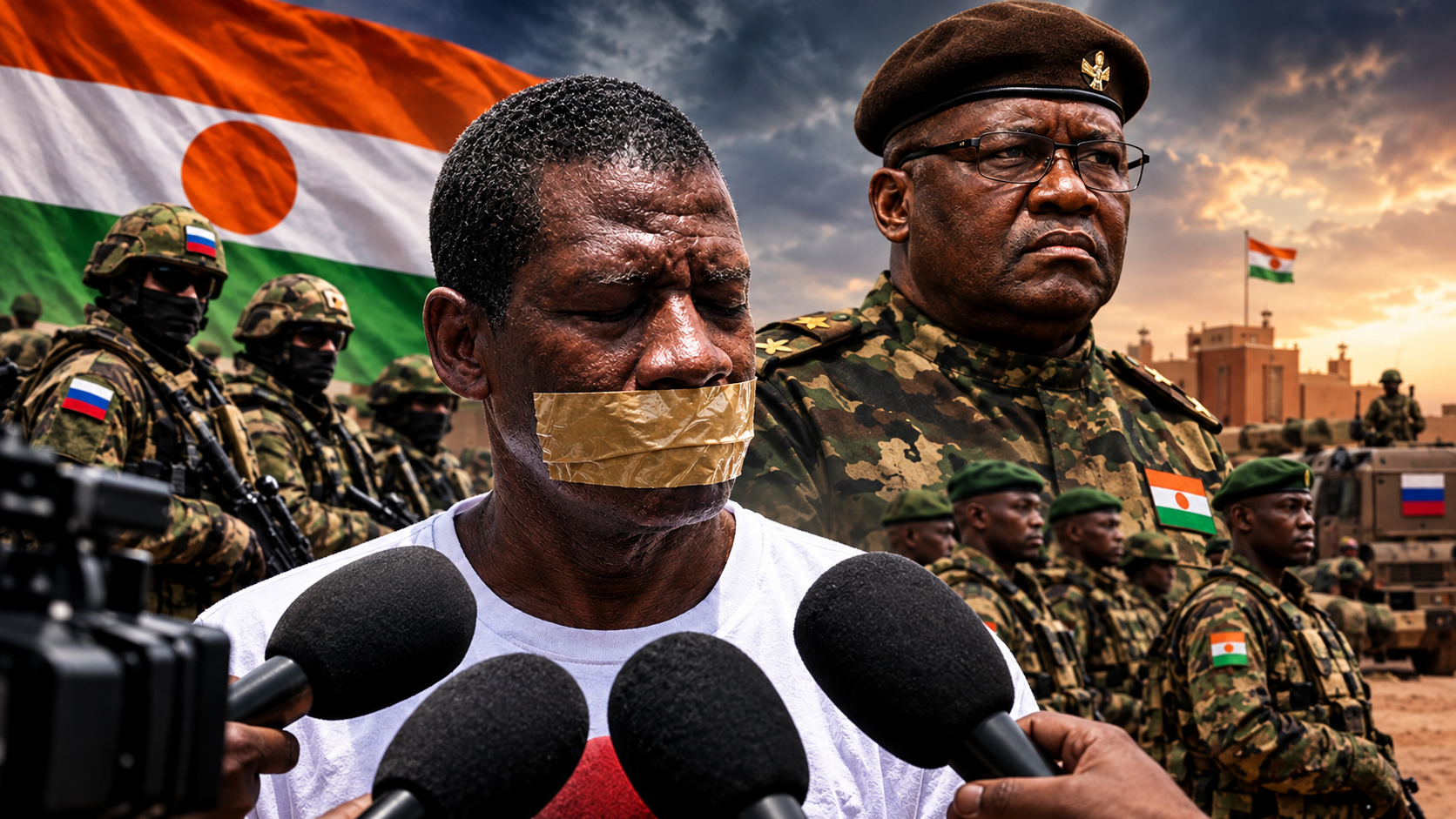
Niger enters a decisive phase as authorities finally confirm the detention of investigative journalist Moussa Kaka, ending weeks of speculation about his fate. The announcement, made by the Justice Minister, comes after sustained pressure from international press freedom organizations and human rights watchdogs. Yet crucial questions remain unanswered about the circumstances and legal basis of his detention.
The journalist’s profile: a voice challenging official narratives
Moussa Kaka is no ordinary reporter. With decades of experience as a correspondent for international outlets and as director-general of Radio Télévision Saraounia, he has built a reputation for uncovering sensitive stories that challenge prevailing narratives. His disappearance on September 5th after leaving the broadcaster’s Niamey premises sparked immediate concern among media freedom advocates globally.
Organizations including the International Federation of Journalists and the World Organisation Against Torture had already issued urgent calls for clarification, citing the timing of his disappearance as a potential indicator of its political sensitivity. The fact that he now stands confirmed as being in state custody raises serious questions about the content he may have accessed or reported.
Security tensions and political calculations behind the detention
Niger’s security landscape provides crucial context for understanding this development. While the Tiani regime repeatedly asserts control over the crisis, reality on the ground tells a different story. Military units continue to face devastating attacks in multiple regions, while internal army tensions erupted in a dramatic mutiny in Niamey just two months prior.
Reports of inadequate military equipment and poor conditions for frontline soldiers have fueled discontent within the ranks. Significantly, these very issues may have contributed to the regime’s sensitivity to criticism – particularly when it comes to security partnerships that appear to prioritize the protection of power structures over national defense.
Russia’s expanding role: security partner or regime protector?
The Africa Corps, Russia’s military contingent operating under the Russian Ministry of Defense, has become a central actor in Niger’s security architecture. Following the August mutiny, reports confirmed Russian forces provided direct support to regime-loyal units, raising questions about their broader mandate.
Analysts suggest this partnership extends beyond counterterrorism operations to include close protection of government officials, including President Tiani. Such an interpretation would explain the apparent prioritization of Russian military support over equipping and training Nigerien soldiers who continue to face heavy casualties from underfunded operations.
A detention that exposes deeper fractures
Moussa Kaka’s detention must be understood not as an isolated incident, but as symptomatic of deeper systemic issues. The journalist’s potential access to sensitive information appears to have made him a target at a moment when the regime is particularly vulnerable to scrutiny.
The official confirmation of his detention, while addressing primary concerns about his wellbeing, does little to resolve the fundamental questions about transparency and accountability. Niger’s government claims to champion sovereignty and security, yet the prolonged silence on Kaka’s detention directly contradicts these principles.
What comes next: the regime’s moment of truth
The detainment of Moussa Kaka has transformed from a matter of speculation to a test case for Niger’s democratic commitments. The international community watches closely as President Tiani faces a critical juncture: either provide credible explanations for the journalist’s detention through transparent legal proceedings, or face the consequences of deepening suspicions about his regime’s priorities.
At stake is not only the fate of one journalist, but the future trajectory of Niger’s political and security landscape. With each passing day that authorities withhold information, the case grows from a human rights concern to a fundamental question about the very nature of governance in Niger.