Niger’s governance crisis: three years of unmet promises
The Coup’s Initial Promise: Security Restored
On July 26, 2023, the military under General Abdourahamane Tiani removed President Mohamed Bazoum, citing an urgent need to address what it described as an uncontrollable security crisis. The stated goal was clear: restore stability and enhance national security more effectively than the civilian government had managed. Yet, three years on, the outcome starkly contrasts with these assurances. The country remains trapped in a spiral of deepening crises—security, economic, diplomatic, and social—each exacerbating the others.
Security: A Faltering Battle Against Armed Groups
The central justification for the coup was the promise to curb the relentless advance of armed factions. However, the situation has worsened. Groups such as the Jama’at Nusrat al-Islam wal Muslimin (JNIM) and the Islamic State in the Greater Sahara (ISGS) have not only maintained their operational capacity but have expanded their reach across multiple regions of Niger.
The nature of their attacks has also evolved. No longer confined to isolated military outposts, these groups now target:
- military and logistical convoys;
- civilian villages and communities;
- key road networks;
- economic infrastructures;
- supply chains.
In some areas, the constant threat has paralyzed daily life, forcing residents to abandon farmlands, schools, and health centers. Internal displacement has surged, placing additional strain on already limited resources.
Military Spending on the Rise, But Results Lagging
The junta has redirected substantial public funds toward military expenditure. Despite this surge, the armed forces face overwhelming challenges:
- a vast and difficult-to-control territory;
- multiple active fronts;
- highly mobile and adaptive adversaries;
- logistical and operational constraints.
This relentless pressure has led to fatigue among troops, accelerated wear on equipment, and ballooning operational costs. Each new attack underscores the limitations of a strategy that relies primarily on military force, ignoring the deeper economic, social, and territorial roots of the conflict.
Economic Strangulation: Borders Closed, Prices Soaring
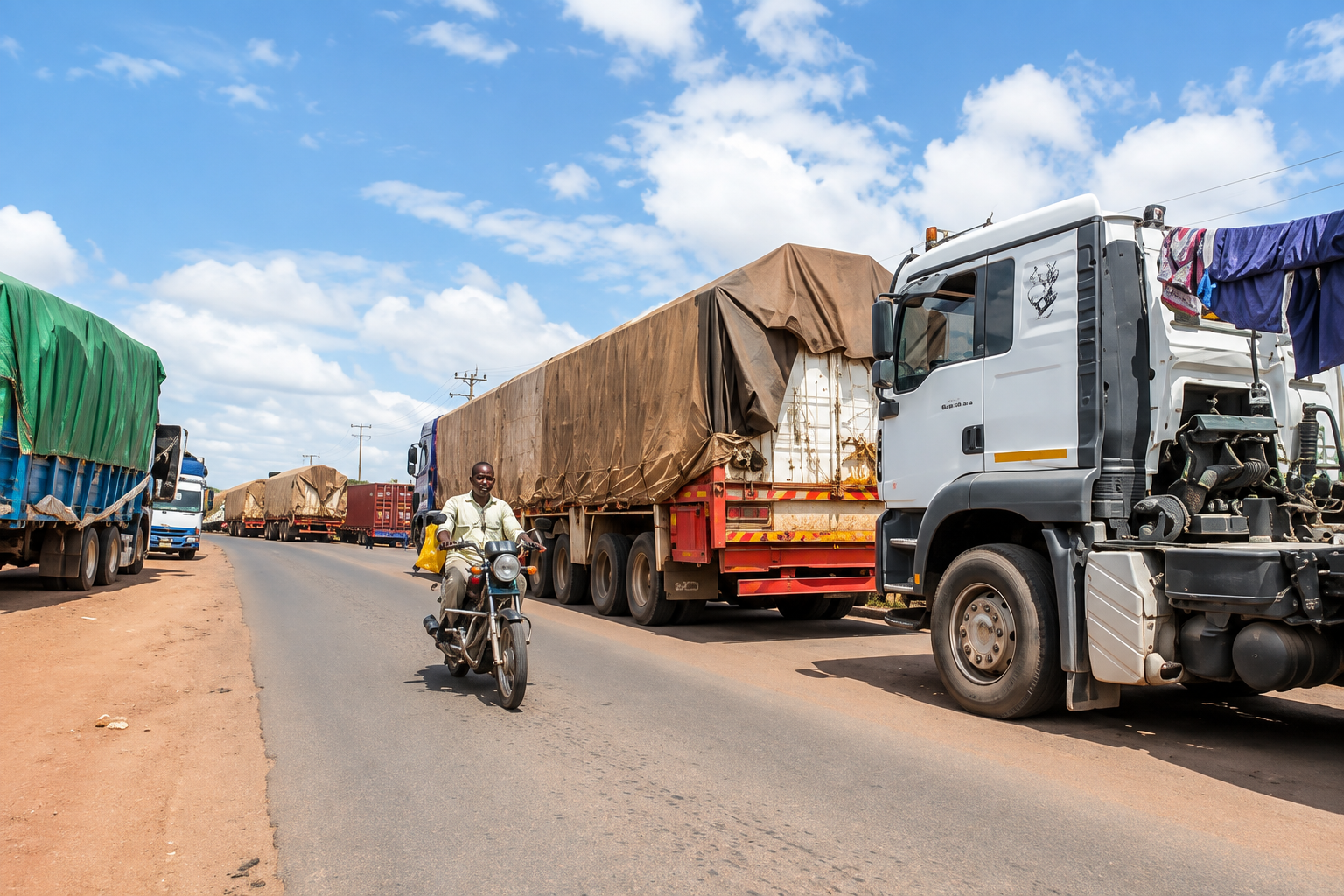
The closure of the border with Bénin and strained regional relations have crippled Niger’s trade networks. The once-vibrant Cotonou-Niamey corridor, a backbone of the economy, has seen delays in supply chains, soaring transport costs, and frequent shortages. These disruptions have driven up prices for essential goods—food, medicine, construction materials—and eroded household purchasing power.
Cities like Gaya, traditionally reliant on cross-border commerce, are now grappling with shuttered businesses and idle transport hubs. The most affected sectors include:
- transport and logistics companies;
- small traders and freight forwarders;
- local hospitality and service industries.
With reduced trade activity, state revenue has plummeted, further curtailing the government’s ability to fund development projects.
Investment Climate Deteriorates Amid Instability
Investors demand stability, predictable regulations, and secure trade routes. However, Niger’s current environment presents multiple deterrents:
- ongoing diplomatic tensions and sanctions;
- heightened security risks;
- unstable regulatory frameworks;
- logistical bottlenecks.
These factors have slowed foreign direct investment and forced businesses to postpone or abandon projects. The once-promising Niger-Bénin oil pipeline, intended to generate long-term revenue, now faces uncertainty due to political friction, casting doubt on its future viability.
Diplomatic Isolation: A Costly Shift in Alliances
The military leadership has overhauled Niger’s foreign policy, severing ties with Western partners and forging closer bonds with Russia while joining the Alliance of Sahel States alongside Mali and Burkina Faso. This pivot was framed as a reclaiming of sovereignty.
Yet, the anticipated benefits have not materialized. The country now faces:
- reduced access to international financing;
- declining technical cooperation;
- strained relations with neighboring states;
- limited participation in regional mechanisms.
While the regime emphasizes national autonomy, the reality reveals a shift rather than an elimination of external dependencies, particularly in the military sphere.
Public Services Under Strain: Development Sacrificed for Security
The heavy allocation of funds to the military has left social sectors underfunded. Schools, hospitals, and public infrastructure are struggling due to budget constraints. The consequences are visible:
- overcrowded or non-existent classrooms;
- medical shortages and delayed supplies;
- slow progress on critical public works;
- declining quality of local services.
This imbalance risks creating a vicious cycle: as military spending rises, development investments fall behind—precisely when they are most needed to address the underlying causes of insecurity.
Daily Hardships: A Population at Breaking Point
Beyond macroeconomic indicators, the crisis is felt in the lives of ordinary citizens. Families confront:
- rising inflation and shrinking incomes;
- fewer job opportunities, especially in border regions;
- uncertainty about future livelihoods;
- food insecurity in rural and urban areas alike.
These pressures are eroding social cohesion and deepening the vulnerability of the most marginalized communities.
A Governance Model Tested by Reality
Three years after the coup, Niger finds itself in a paradox. The junta vowed to restore security, reclaim sovereignty, and improve living standards. Yet, the evidence points to a country mired in deeper insecurity, economic contraction, financial strain, and diplomatic isolation. The focus on military solutions, compounded by regional tensions and structural economic weaknesses, has created a self-reinforcing cycle of crisis. Escaping this impasse demands more than rhetoric—it requires a fundamental rethinking of priorities.