
Opposition challenges Sonko’s parliamentary seat and election as speaker
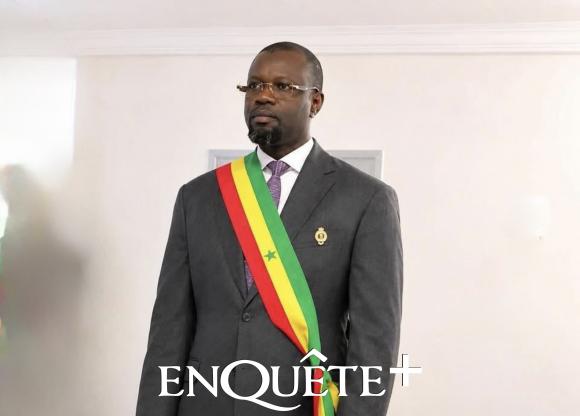
Opposition Takes Legal Action Against Ousmane Sonko’s Reintegration as Deputy
In a bold move, a coalition of opposition lawmakers has filed a petition with the Constitutional Council, seeking to overturn Ousmane Sonko’s reinstatement as a deputy—a critical step before his election as Speaker of the National Assembly. The group, representing non-affiliated and opposition deputies, argues that his reintegration violates Article 54 of the Constitution and constitutes an abuse of institutional power.
In a statement released yesterday, the signatories accused the National Assembly leadership of withholding essential documents, including Sonko’s reinstatement decree and the plenary session minutes from May 26, 2026. These records, they contend, are public by nature and critical to their legal challenge. The opposition claims that repeated formal requests and even court summons failed to secure the materials, further undermining transparency and democratic principles.
Constitutional Concerns and Procedural Objections
The dispute hinges on Sonko’s eligibility to hold both a ministerial role and a parliamentary mandate simultaneously. Following his 2024 election as deputy while serving as Prime Minister, critics argue he forfeited his seat due to the constitutional principle of separation of powers. By reinstating him, the opposition asserts, the Assembly violated the very framework meant to prevent such conflicts.
Legal experts remain divided. Some emphasize that Article 54 does not explicitly address automatic reinstatement or mandate suspension, focusing instead on the incompatibility principle itself. Others point to Article 123 of the Assembly’s internal regulations, which allows for a deputy’s replacement upon joining the government—a provision some believe justifies Sonko’s return.
A High-Stakes Political Showdown
The controversy erupted after Sonko’s dramatic comeback on May 26, 2026, when he secured 132 out of 133 votes to become Speaker, succeeding El Malick Ndiaye. His election followed his dismissal as Prime Minister by President Bassirou Diomaye Faye just days earlier. The opposition had boycotted the vote, labeling the process a “constitutional coup.”
As the Constitutional Council reviews the petition, a critical question looms: whether opposition deputies hold the legal standing to file such a challenge directly. Traditionally, this power rests with the President of the Republic, whose office has denied any involvement in the matter. The Council’s decision on admissibility will set the tone for this institutional clash, with far-reaching implications for the balance of power in the Assembly.
The opposition has vowed to pursue all legal avenues, reaffirming its commitment to peaceful, democratic resolution—while framing Sonko’s reinstatement as a threat to the integrity of the legislative process.