Ousmane sonko reveals Senegal’s debt strategy and imf approach
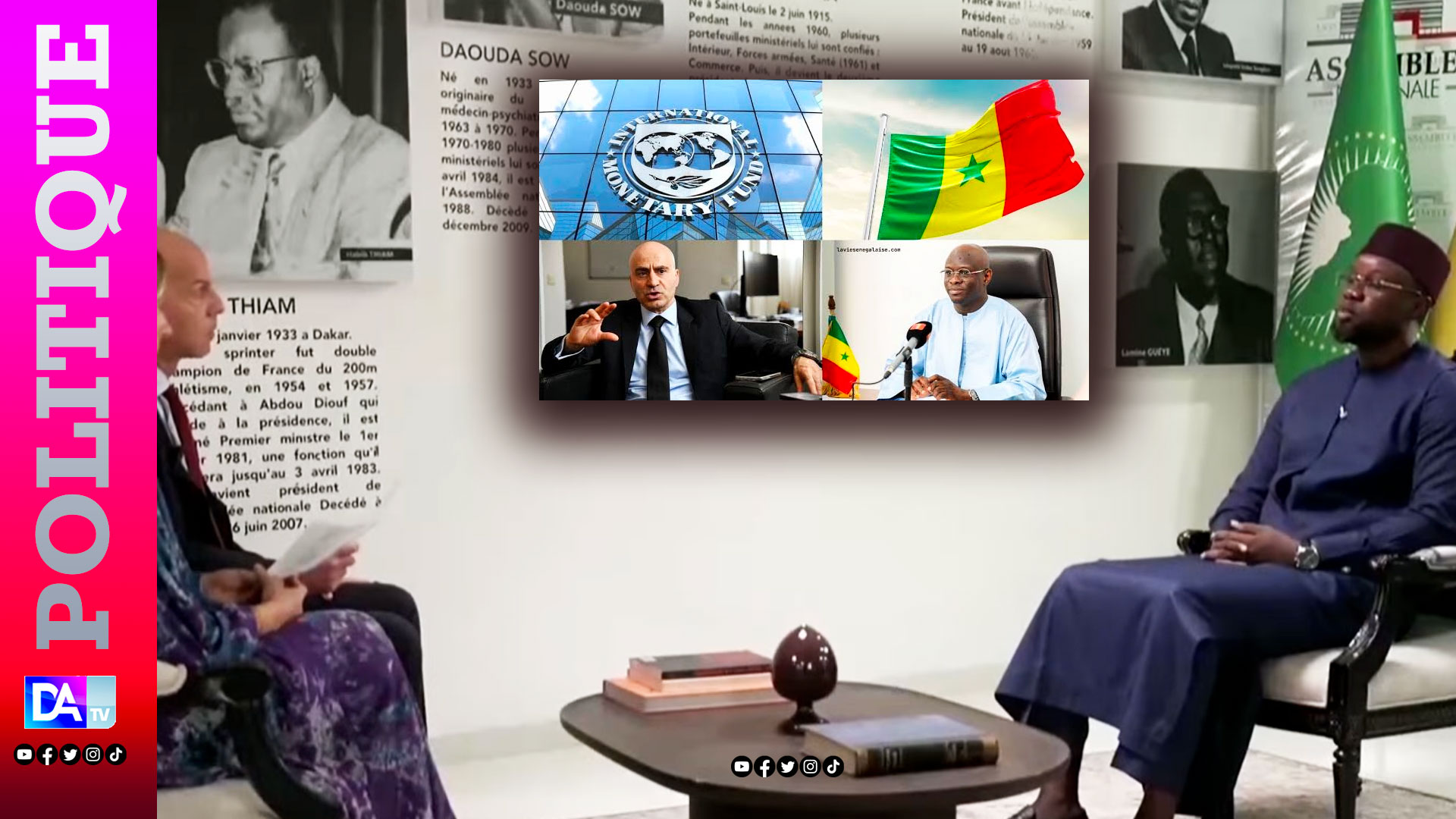
Addressing concerns regarding Senegal’s national debt management and the upcoming International Monetary Fund (IMF) mission to Dakar, Ousmane Sonko provided a candid assessment of his two-year tenure as Prime Minister. He also established definitive boundaries for the current Al Aminou Lo government. On the prospect of debt restructuring, the President of the National Assembly initially rejected any rigid, dogmatic stance. “We do not adhere to absolute positions. We approach the situation with clarity and discernment,” he declared. However, he promptly recalled his firm opposition, while serving as Prime Minister, to any abrupt or uncontrolled restructuring, asserting that “the conditions were not even met, as the country was not in default and was capable of honoring its commitments.” This principle, he affirmed, will continue to guide his actions from within the National Assembly. “Should a decision be made that compromises our systemic and structural change objectives in favor of short-term ratios, we will not endorse it,” he warned, vowing to leverage “the National Assembly’s powers to refuse.”
Regarding his own record on indebtedness, Sonko stood by his decisions without reservation. Confronted with criticism for continuing to engage international lenders despite his rhetoric on economic sovereignty, he defended the choice of transparency. “We opted to establish a sound foundation and avoid concealing figures, as that would inevitably catch up with us sooner or later,” he explained, drawing a parallel to the Greek debt crisis. “In every nation globally, debt is refinanced and renewed,” he added, emphasizing an orthodox management of repayment schedules.
The discussion on what he termed “odious debt” proved to be the most insightful segment of the interview. Pressed to clarify why he had not demanded the outright cancellation of debt he himself labeled odious, Sonko acknowledged the institutional limitations he faced. “I did not possess all the necessary levers. The Prime Minister’s authority in this country is profoundly restricted,” he conceded, distinguishing his positions as a party leader from his actual scope of action at the helm of government. He also affirmed that he had never been at odds with President Diomaye Faye on this matter, specifying that during their last conversation, the President had “confirmed that the policy direction remained unchanged.”
However, it was on the future that Sonko’s remarks were most anticipated. Acknowledging that a “portion of this debt is odious,” he urged the current executive to demonstrate political courage. “It requires courage to initiate this debate,” he stated, expressing hope that the government “will assume its responsibilities to discuss the cancellation of a part of this debt.” This injunction also serves as a test of consistency for an administration where he was, until recently, a central figure.