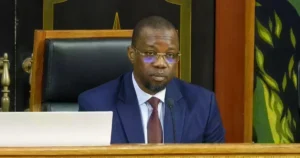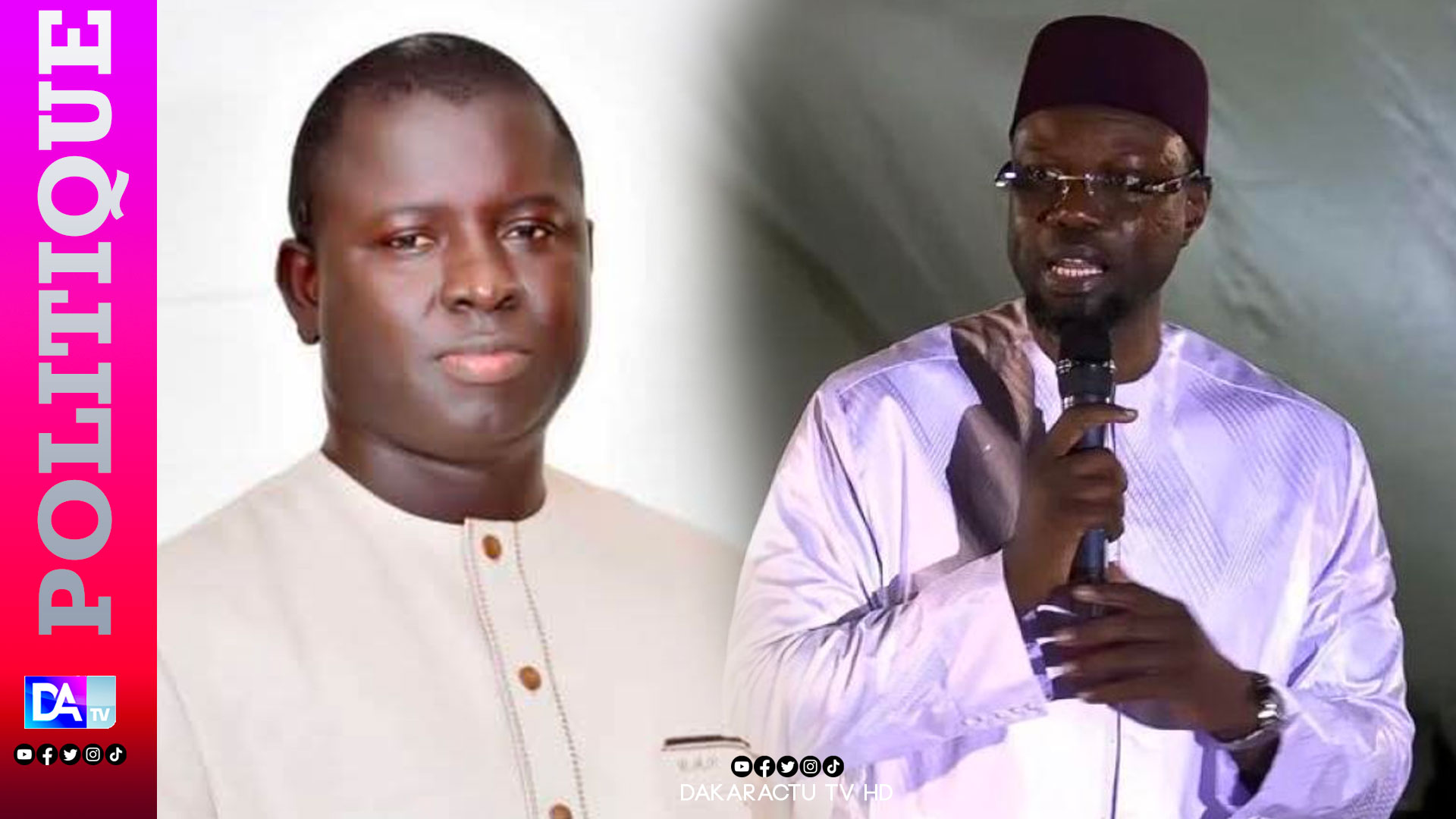

The political landscape in Sénégal appears to be undergoing a systemic transformation, one where the culture of perpetual confrontation overshadows the foundational principles of the Republic. Once a fiery opposition figure, briefly in power, and now entrenched in a radical stance of institutional defiance, the leader of Pastef has evolved from a strategy of popular resistance to an unprecedented posture of systematic obstruction.
A pressing question now dominates political discourse: How far is Ousmane Sonko willing to push this strategy?
The « Gatsa-Gatsa » slogan—« short tail pays for short tail »—was originally coined to justify aggressive resistance against the previous regime. This concept, which once symbolized unyielding retaliation, has since morphed into a tool for relentless manipulation of the Nation’s core values. What began as a battle cry has devolved into a method of disregarding the very fabric of the State.
Following his ascent to the helm of the National Assembly—a move widely perceived as a political tour de force—Sonko swiftly sought to impose his vision by pushing for a constitutional amendment. Yet, the Constitutional Council delivered a definitive verdict: the proposal was struck down. This legal setback acted as a catalyst, not for reflection or compromise, but for an escalation in radical tactics. Frustration stemming from unmet ambitions and undisclosed political calculations seems to have fueled an even more confrontational approach.
Enter the « Maa tay » phenomenon—« I don’t care »—an institutional stance characterized by deliberate obstruction of government operations and a disregard for the most basic norms of republican courtesy. This isn’t merely about opposing political adversaries; it’s a challenge to the very foundations of the State:
- Sabotage for sabotage’s sake: A willingness to paralyze the nation’s progress as a form of protest.
- Defiance of judicial and constitutional rulings: A calculated rejection of legal outcomes to serve political posturing.
- Holding institutions hostage: A response born from the frustration of seeing constitutional ambitions halted abruptly.
Where does this path lead? The democratic stability of Sénégal has long relied on the resilience of its institutions in times of crisis. Replacing dialogue with institutional contempt and procedural disdain sets a perilous precedent. While individuals and ambitions rise and fall, institutions endure. Undermining the pillars of the State to mask personal frustrations or hidden agendas is not just a disservice to democratic principles—it weakens the Republic as a whole.
The right to opposition and checks on power are noble constitutional rights; systematic obstruction under the guise of republican defiance is a dead end.
Cheikh Issa Sall, President of the UNITE Party