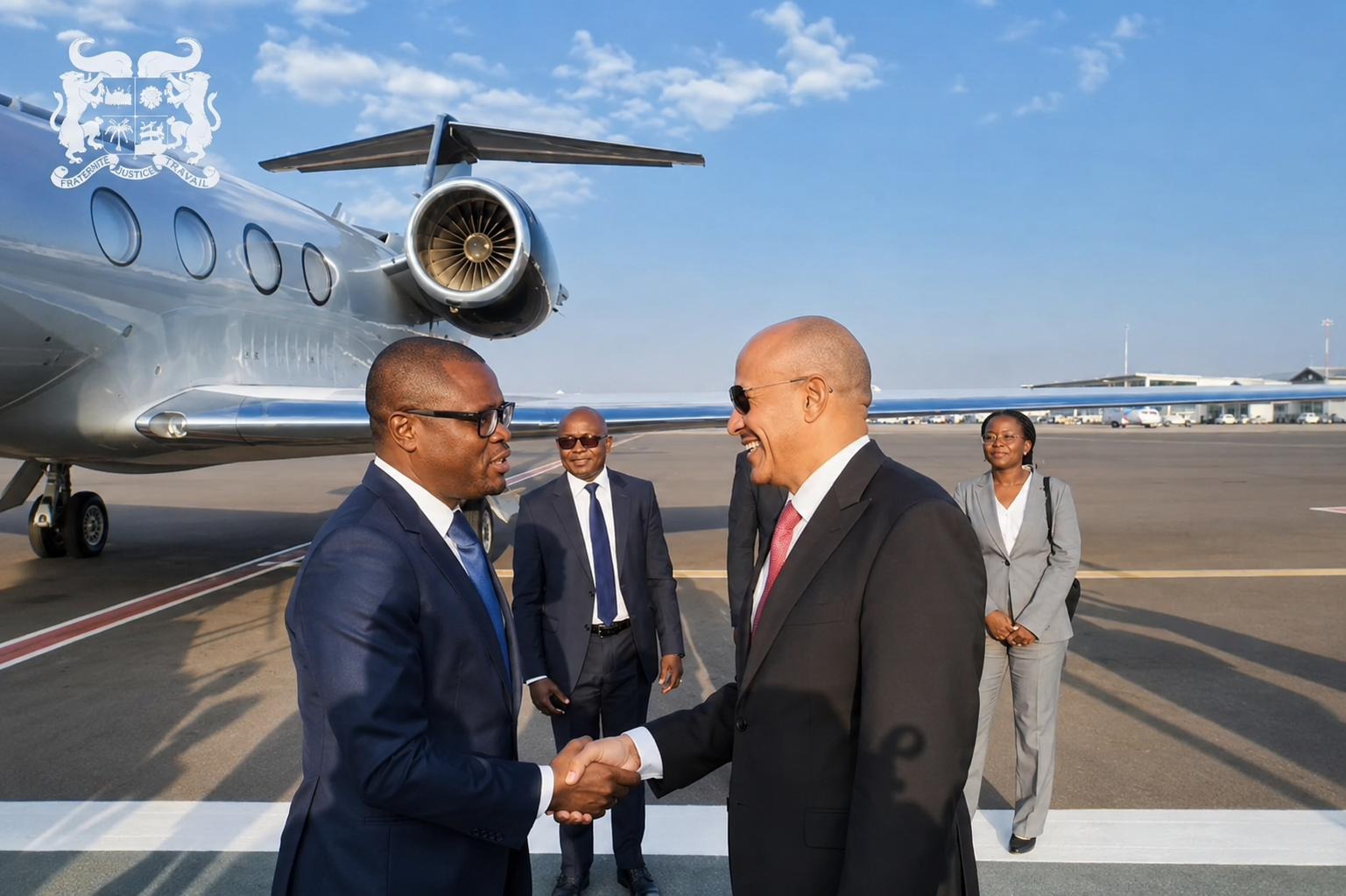

An intense day of high-stakes diplomacy and economic strategy unfolded in Addis-Abeba as President Romuald Wadagni of the Republic of Benin embarked on a landmark working visit. With continental ambitions at the forefront, the visit underscored Benin’s growing influence in shaping Africa’s industrial future and deepening strategic partnerships.
Diplomatic momentum at Bole International Airport
Stepping off the plane, President Wadagni was greeted with full honors at the presidential pavilion by Ethiopia’s Vice-Premier Tiruneh Temesgen. The ceremonial welcome set the tone for a day of far-reaching discussions aimed at reinforcing the strong ties between Benin and Ethiopia—two nations united by a shared vision of African economic transformation. The visit kicked off immediately with a strategic meeting with Dr. George Elombi, President and CEO of Afreximbank, laying the groundwork for future financial collaborations. Afreximbank’s pivotal role in intra-African trade financing aligns closely with Benin’s reputation for disciplined economic management and bold structural reforms.
At Afreximbank: Benin’s industrial model takes center stage
The most anticipated moment of the visit came during Afreximbank’s high-level strategic retreat, where President Wadagni delivered a keynote address titled ‘Why Governments Fail in Industrialization’. Addressing a room of top bankers, economists, and policymakers, he presented Benin’s transformation journey with unfiltered honesty. He highlighted the critical success factors behind the country’s industrial progress, particularly the achievements of the Glo-Djigbé Industrial Zone (GDIZ). The GDIZ has become a continental benchmark, demonstrating how local processing of key commodities like cotton, cashew nuts, and soybeans can drive economic value and job creation.
“Industrialization is not a political slogan—it’s a matter of iron discipline, coherent reforms, and a predictable business environment,” the President emphasized. He also cautioned African governments against common pitfalls such as policy inconsistency, mismatched vocational training, and over-reliance on imported inputs. His pragmatic insights were widely praised as a roadmap for other African nations seeking sustainable industrial growth.
Strengthening ties at the Menelik Palace
The diplomatic agenda continued at the historic Menelik Palace, where President Wadagni held a productive one-on-one meeting with Ethiopian Prime Minister Abiy Ahmed. Their warm exchange reflected the strong personal and institutional rapport between the two leaders. Following the private discussion, both delegations engaged in a broader dialogue focused on deepening cooperation across several key sectors.
The discussions centered on enhancing air connectivity and trade flows by leveraging Ethiopian Airlines’ regional hub and upgrading Benin’s infrastructure. Both sides also explored opportunities for agricultural cooperation, particularly in high-value supply chains, and reaffirmed their commitment to coordinating positions in international forums to advocate for Africa’s financial reform agenda. This session underscored Benin’s strategic pivot toward East Africa, positioning Ethiopia as a key partner in the region.
Benin’s rising voice in continental economic affairs
By the end of the day, President Wadagni returned to Cotonou having executed a lightning-fast yet highly impactful visit. In just a few hours, he elevated Benin’s status from observer to influential participant in Africa’s economic decision-making process. His leadership during the Afreximbank retreat demonstrated that Benin’s perspective is not only heard but respected when it comes to shaping the continent’s financial and industrial future. By engaging on equal footing with Africa’s top financial institutions and regional leaders, President Wadagni reinforced Benin’s reputation as a rising diplomatic and economic power in Addis-Abeba, the continent’s diplomatic heart.



