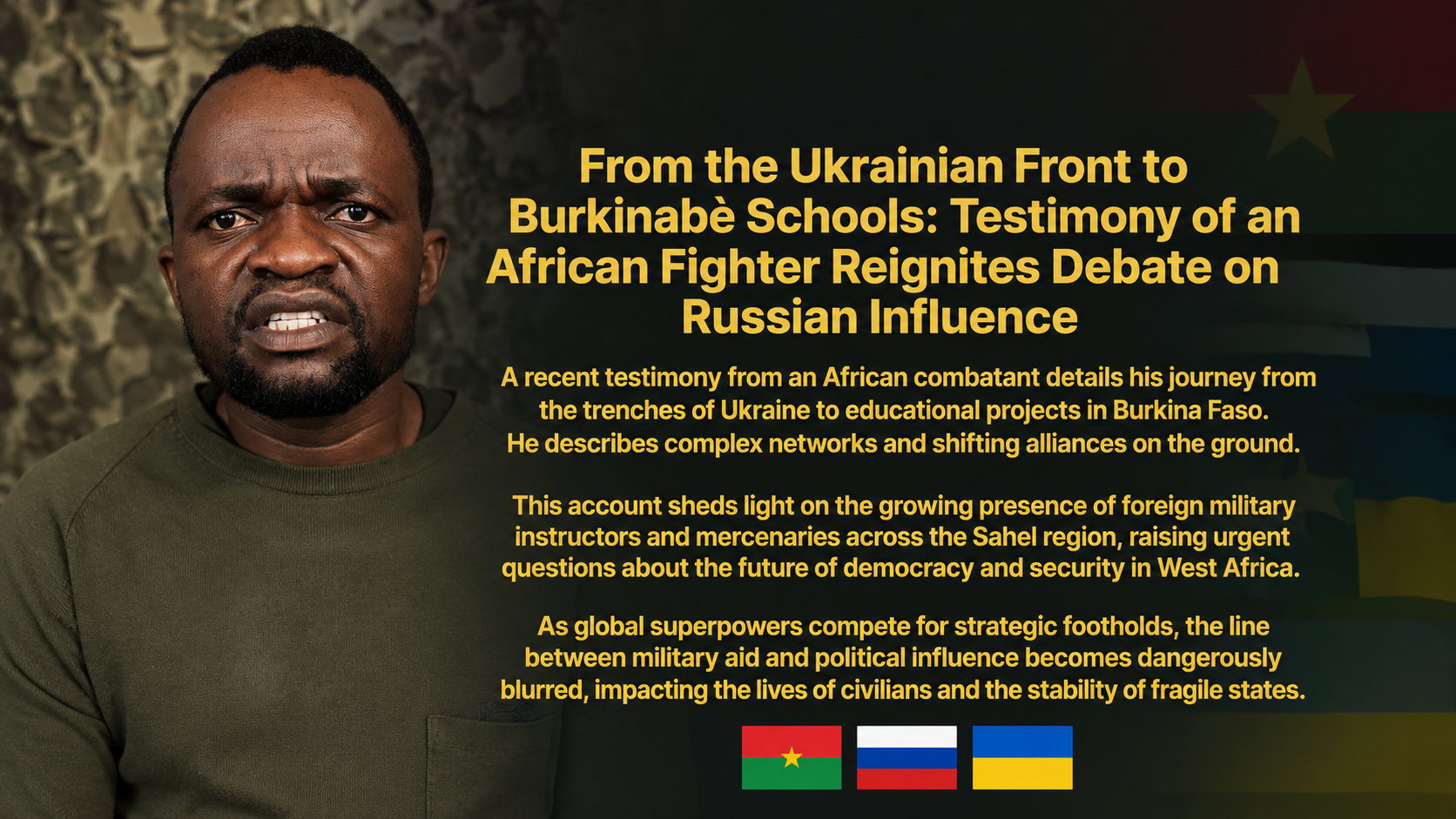

a controversial educational reform sparks national conversation
In a move that has divided public opinion, Burkina Faso is set to introduce Russian language instruction in its schools beginning with the next academic year. The decision, announced by education authorities, aims to broaden the country’s international partnerships and provide students with access to new academic and professional opportunities. While framed as a purely educational initiative, the reform has ignited a broader debate about the nation’s strategic alignment with Moscow amid ongoing global geopolitical shifts.
The timing of this announcement coincides with heightened scrutiny of Russia’s expanding influence across Africa. Over recent years, Moscow has intensified diplomatic, military, and economic engagements with several African nations, leveraging a combination of soft power and security cooperation. Burkina Faso’s decision to integrate Russian into its curriculum reflects this broader trend, though it remains unclear whether deeper political motivations are at play.
voices of caution amid broader regional dynamics
Critics argue that the move could signal a strategic shift in Burkina Faso’s foreign policy, one that warrants public discussion. They question whether the introduction of Russian in schools is solely an educational choice or part of a larger effort to strengthen ties with Moscow. Supporters, however, emphasize Burkina Faso’s sovereign right to diversify its international partnerships without facing undue scrutiny.
The debate extends beyond Burkina Faso’s borders. Recent reports of African fighters recruited to participate in the war in Ukraine have raised concerns about the risks associated with foreign military engagements. Among those who have spoken out is Tatenda Tarwire, a Zimbabwean national who fought with Russian forces and later described harrowing experiences, including heavy combat losses and inadequate communication from recruiters. His testimony has prompted warnings to African youth about the realities of such engagements and the promises made by foreign recruiters.
For Burkina Faso’s government, the introduction of Russian in schools is presented as a practical step toward enhancing academic opportunities. The language, like English, Chinese, or Arabic, opens doors to scientific research, university exchanges, and professional networks. Yet, the broader geopolitical context—particularly Russia’s ongoing war and its active pursuit of influence across multiple continents—adds layers of complexity to the decision.
the human cost of foreign military recruitment
Cases of African fighters being drawn into conflicts abroad, often with limited understanding of the risks involved, have been widely documented. Many return with physical or psychological trauma, while others never return at all. Families left in the dark about the fate of their relatives face immense uncertainty and grief. These stories serve as a stark reminder of the potential consequences when young individuals are lured by promises of financial gain or adventure without full transparency about the realities they may encounter.
The testimony of Tatenda Tarwire underscores the need for African nations to carefully consider the implications of their international engagements, whether educational, economic, or military. For Burkina Faso, the decision to include Russian in its schools raises important questions: What are the long-term objectives of this cooperation? What safeguards are in place to protect the integrity of the national education system? How will this initiative benefit Burkina Faso’s youth, and what risks might it entail?
As the debate continues, one thing remains clear: the future of Burkina Faso’s youth will depend on the quality of their education, the breadth of knowledge they acquire, and their ability to critically assess the world around them. Educational reforms, no matter how well-intentioned, must be implemented with transparency, rigorous analysis, and a commitment to the nation’s long-term interests. The choices made today will shape the trajectory of generations to come.



