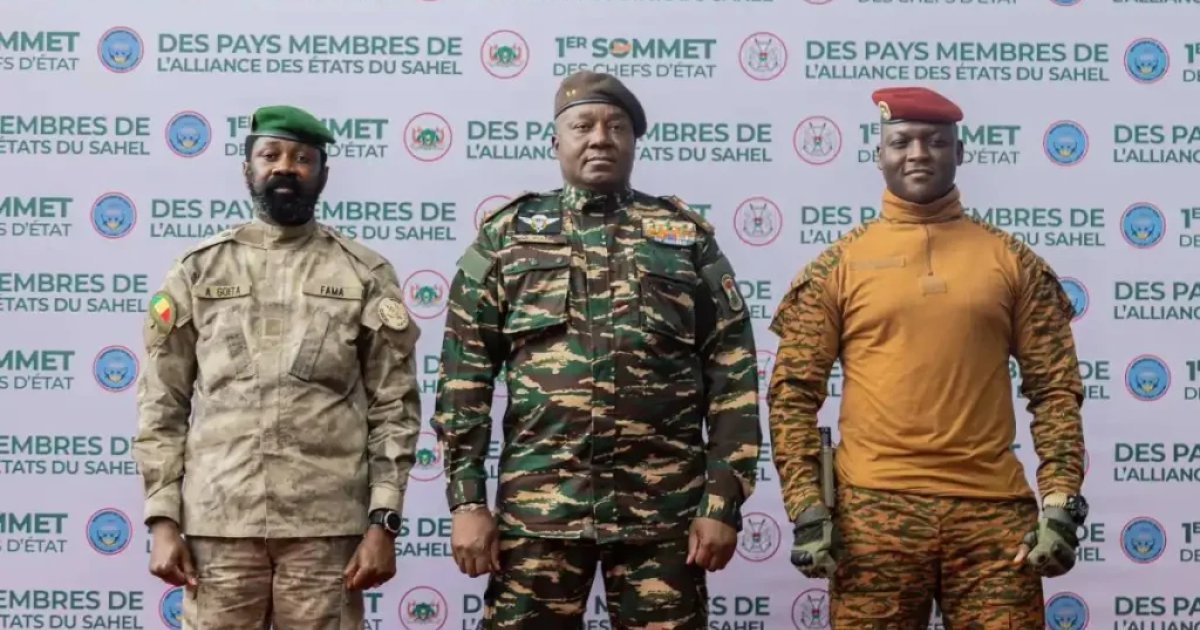

Ouagadougou has severed all diplomatic ties with France, a move announced on June 26, 2026, and presented as a bold assertion of national sovereignty. This decision not only deepens the rift between Burkina Faso and Paris but also aligns the country with the positions of Mali and Niger within the Alliance of Sahel States (AES).
Ibrahim Traoré

Burkina Faso accuses France of colonial interference
The decision was communicated through a televised statement by government spokesperson Pingdwendé Gilbert Ouédraogo, effective immediately as of June 26, 2026. Burkina Faso’s authorities accuse France of undermining the country’s interests through alleged interference, neocolonial ambitions, and support for networks deemed hostile. Paris has rejected these claims, calling the move “unfounded and hostile.”
Tensions between Ouagadougou and Paris have escalated since the 2022 military takeover. Over the past years, Burkina Faso has systematically reduced France’s presence in the country, reshaping its diplomatic and security alliances.
From military drawdowns to media blackouts
- In January 2023, Burkina Faso demanded the withdrawal of French special forces under Operation Sabre.
- Multiple French media outlets—including RFI, France 24, and TV5 Monde—were either suspended or banned.
- French diplomats faced expulsions amid recurring accusations of activities conflicting with Burkina Faso’s national interests.
This latest rupture marks the culmination of a years-long process of distancing from former colonial ties, particularly in diplomacy, security, and media spheres.
AES unites against Paris
With this decision, Burkina Faso joins Mali and Niger in a shared stance against France. The three AES member states now present a unified front in their relations with Paris.
Mali and Niger had already initiated their own break from France, driven by political, military, and diplomatic tensions. Burkina Faso’s move solidifies the regional bloc’s sovereign and anti-interference agenda.
This shift reflects the broader realignment underway in the Sahel. Following their withdrawal from ECOWAS, Mali, Burkina Faso, and Niger have strengthened cooperation within the AES while expanding partnerships with Russia, Turkey, and Iran.
For Ouagadougou, severing ties with Paris is part of a deliberate strategy to reclaim control over its diplomatic and security choices. For France, it signals a further erosion of its influence in a region where it once held central sway.
The move introduces uncertainty over the future of consular services, bilateral agreements, and security cooperation. Most significantly, it signals that Francophone Sahel nations have entered a new phase—one where the AES intends to speak with one voice against former Western partners.