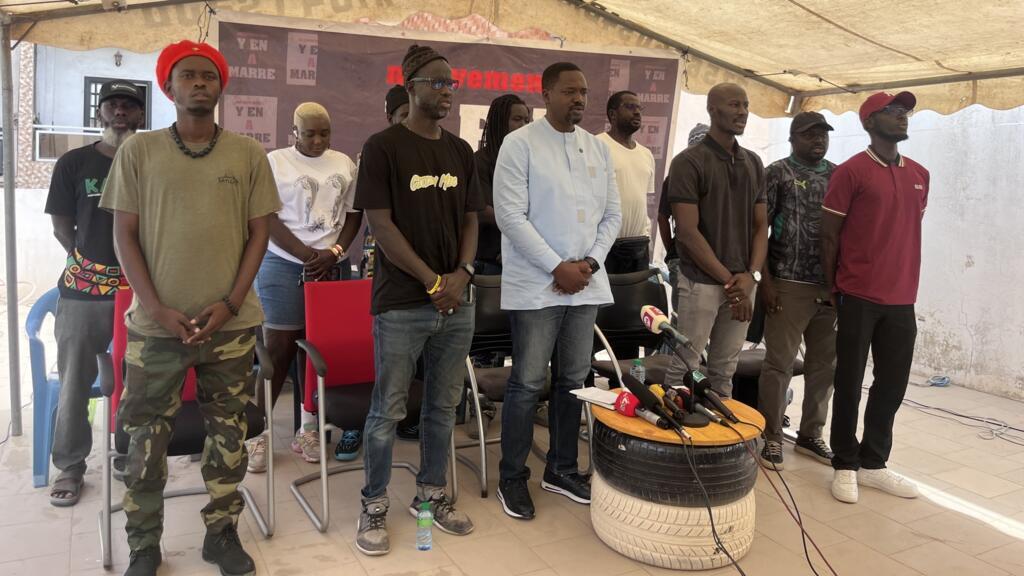

The political atmosphere in Sénégal has reached a critical juncture following the National Assembly’s adoption of a constitutional reform bill on June 29. While the legislation, championed by Pastef deputies, moves forward, the prominent citizen movement Y’en a marre has stepped into the spotlight to demand that the process remains transparent and free from partisan manipulation.
The collective, which has been a staple of Senegalese civic life for 15 years, addressed the proposal by President Bassirou Diomaye Faye to submit the text to a national referendum. While supportive of the idea, the movement expressed deep concerns regarding the potential for “political calculations” and the return of outdated governance tactics that prioritize maneuvering over democratic integrity.
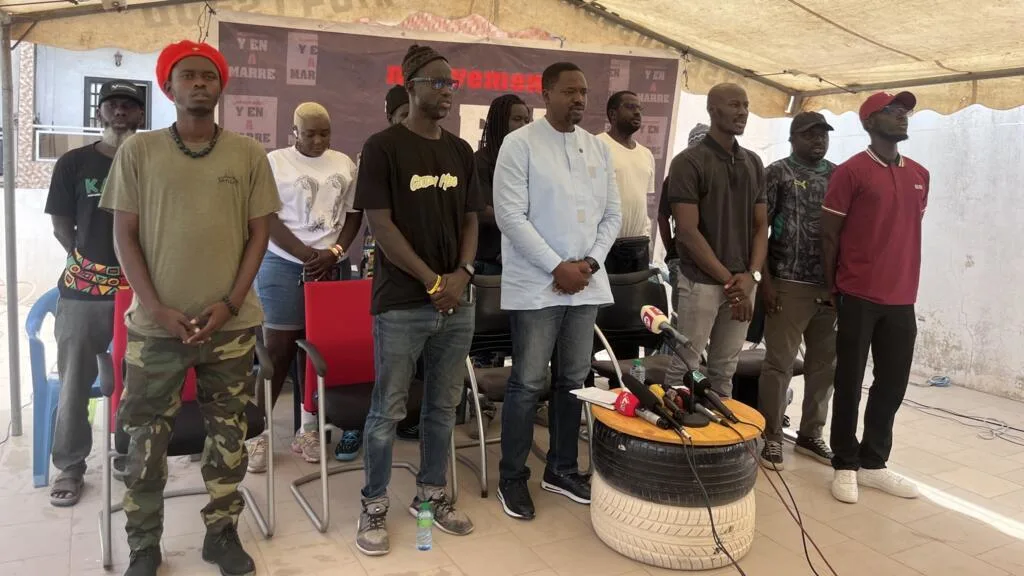
At the heart of the debate is the ongoing political dynamic between Bassirou Diomaye Faye and Ousmane Sonko. According to Aliou Sané, the founder of Y’en a marre, the referendum must serve as a genuine tool for civic engagement rather than a strategic delay. He emphasized that citizens must be given the opportunity to fully understand and decide on these reforms without being caught in the crossfire of executive power plays.
Allegations of smear campaigns
The collective also highlighted a troubling resurgence of tactics used by previous administrations to silence dissent. Since voicing their perspective on the Pastef-led initiative, members of Y’en a marre claim they have been targeted by party loyalists and figures close to Ousmane Sonko, who have labeled them an “LGBT lobby.” This specific accusation is particularly charged in Sénégal, where social and legal pressures regarding this issue have intensified significantly since March.
Aliou Sané noted that these are the same methods of delegitimization once employed by the governments of Abdoulaye Wade and Macky Sall. He pointed out the irony that those currently in power were once the very people standing alongside the movement, decrying such stigmatization when it was used against them in the past.
Tensions surrounding the reform were further evidenced by the arrest of twelve individuals near the National Assembly on the day of the vote. Among those detained were nine young activists from the opposition party Alternative pour la relève citoyenne (ARC). Though they were held on charges of “disturbing public order” and participating in an unauthorized protest, all were released a few hours later. For civil society observers, these incidents underscore the fragile state of political discourse as Sénégal navigates this significant constitutional transition.